


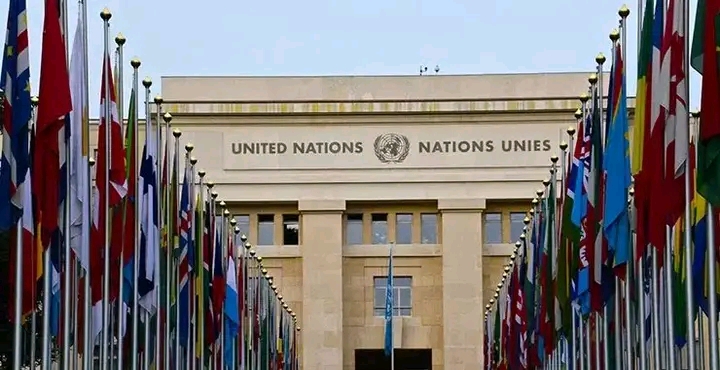
PARIS, FRANCE — The ongoing conflict involving Iran could drive more than 30 million people into poverty worldwide, according to the United Nations Development Programme, highlighting the far-reaching economic consequences of the war beyond the immediate region.
The warning was issued by UNDP chief Alexander De Croo during a global development meeting, where he described the crisis as “development in reverse,” stressing how quickly years of economic progress can be undone by conflict.
According to UN estimates, even if the war were to end immediately, its economic shockwaves would still push tens of millions into financial hardship across more than 160 countries.
At the core of the crisis is a surge in global energy and fertilizer prices, driven by disruptions to supply chains, particularly through the strategic Strait of Hormuz, a key route for oil and agricultural inputs.

Much of the world’s fertilizer supply passes through this region, and the conflict has already reduced availability, affecting agricultural productivity and threatening future crop yields.
Experts warn that these disruptions are likely to trigger a sharp rise in food prices in the coming months, with the poorest countries expected to be hit hardest due to their reliance on imported fuel and farming inputs.
The crisis is often described as a “triple shock” to developing economies, combining rising energy costs, food inflation, and financial instability, all of which compound existing vulnerabilities.
In practical terms, higher fuel prices increase transportation and production costs, while expensive fertilizers reduce crop output, creating a ripple effect that pushes up the cost of basic food items.
The UNDP also warned that food insecurity could peak in the near future, especially in regions such as sub-Saharan Africa and parts of Asia, where many households already spend a large share of income on food.
Global economic growth is also expected to slow as a result of the conflict, with institutions like the World Bank projecting rising inflation and reduced output in developing countries.
Humanitarian agencies are under increasing pressure as demand for aid grows while funding remains limited, raising concerns that millions of vulnerable people may not receive the support they need.
The situation underscores how modern conflicts can have global consequences, affecting not just the countries directly involved but also distant economies through interconnected energy and food systems.
As the crisis continues, the UN is calling for urgent international action, including targeted financial support and policy measures, to protect vulnerable populations and prevent a deeper global poverty surge.




