


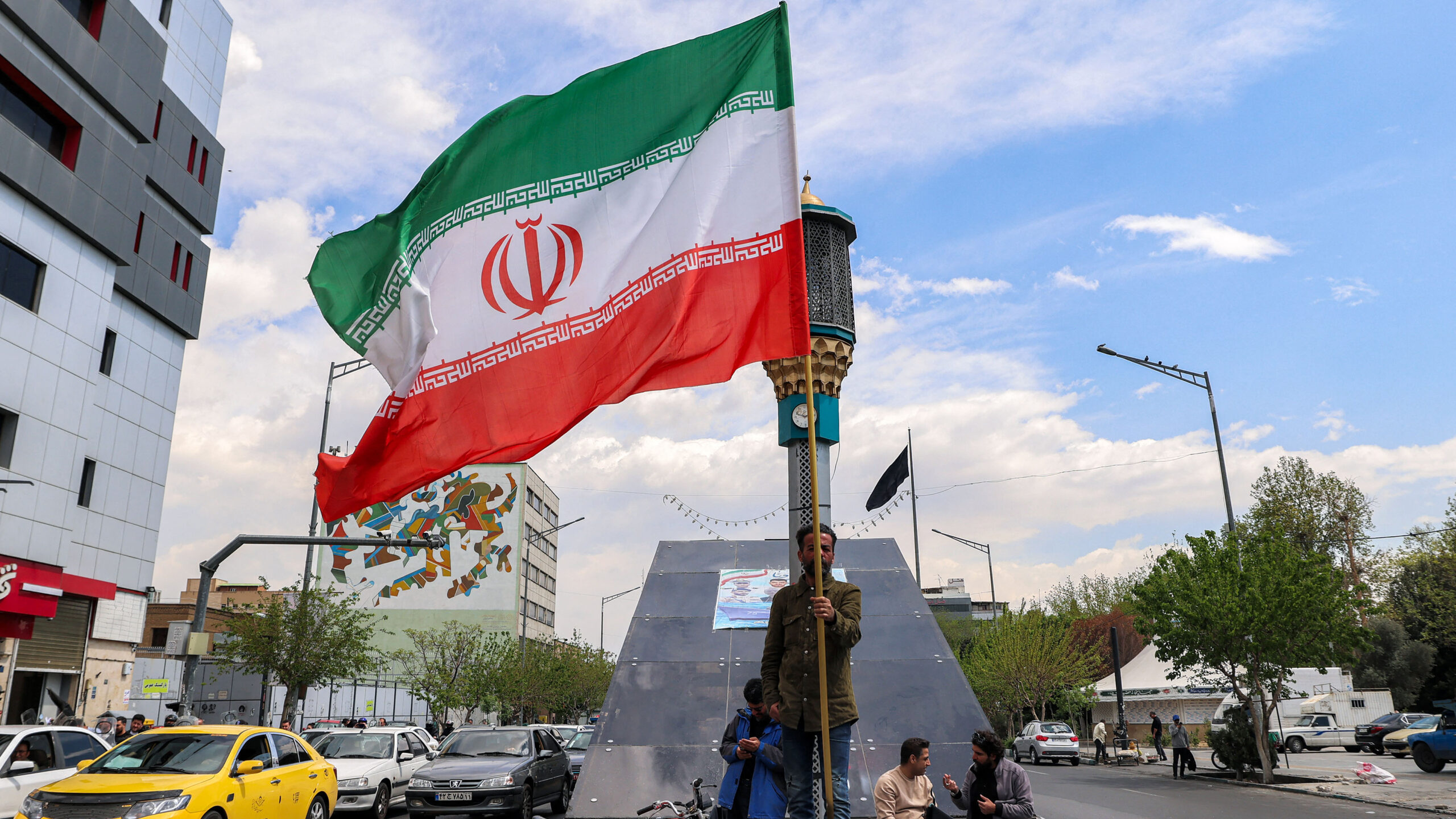
Iran is still considering a new United States proposal aimed at ending the ongoing war, even as US President Donald Trump insists the conflict could be “over quickly” if a deal is reached.
Trump, speaking at a virtual campaign event in Georgia, said there had been “very good talks” with Iran in the past 24 hours and expressed confidence that a breakthrough was possible.
He also maintained that preventing Iran from acquiring a nuclear weapon remained the central objective of his administration.
Earlier, he suggested that while negotiations were ongoing, the situation could still escalate if talks collapse, warning that any renewed military action would be “at a much higher level and intensity.”

Iran has not given a final position on the US proposal. Foreign ministry spokesperson Esmail Baghaei said the document is still under review and that Tehran would communicate its response through Pakistani mediators once consultations are complete.
Reports from US media suggest the White House and Tehran may be nearing a broad 14-point framework meant to guide future nuclear negotiations.
The draft reportedly includes provisions such as suspending uranium enrichment in Iran, easing sanctions, and restoring free movement through the Strait of Hormuz.
However, officials quoted in the reports stressed that many of the terms would depend on a final agreement.
In Iran, the proposal has been met with resistance from some lawmakers.
A parliamentary spokesperson described it as a “wish list,” while warning that Iran remains prepared for any outcome if diplomacy fails.
Tensions remain high alongside the diplomatic push.
Trump has repeatedly warned that military action could resume if Iran refuses to agree to terms, while also claiming that Iran has already agreed in principle to avoid developing nuclear weapons a claim Tehran has not confirmed.
Iranian officials, meanwhile, insist they are not under pressure to accept any deal. Parliament has warned that the country is ready to respond firmly if talks collapse, while also accusing Washington of using negotiations as leverage.
The dispute is unfolding against the backdrop of wider regional instability, including ongoing tensions in the Strait of Hormuz, a critical global shipping route that carries a significant share of the world’s oil supply.
The area has seen repeated disruptions since the conflict escalated earlier in the year, adding further strain to global energy markets.
Despite the uncertainty, mediators including Pakistan have continued efforts to keep both sides engaged, with hopes that the current diplomatic momentum could still lead to a broader ceasefire or long-term agreement.




