


tech-jack-dorseys-bitchat-blocked-india
India Blocks Jack Dorsey’s Offline Bitchat App
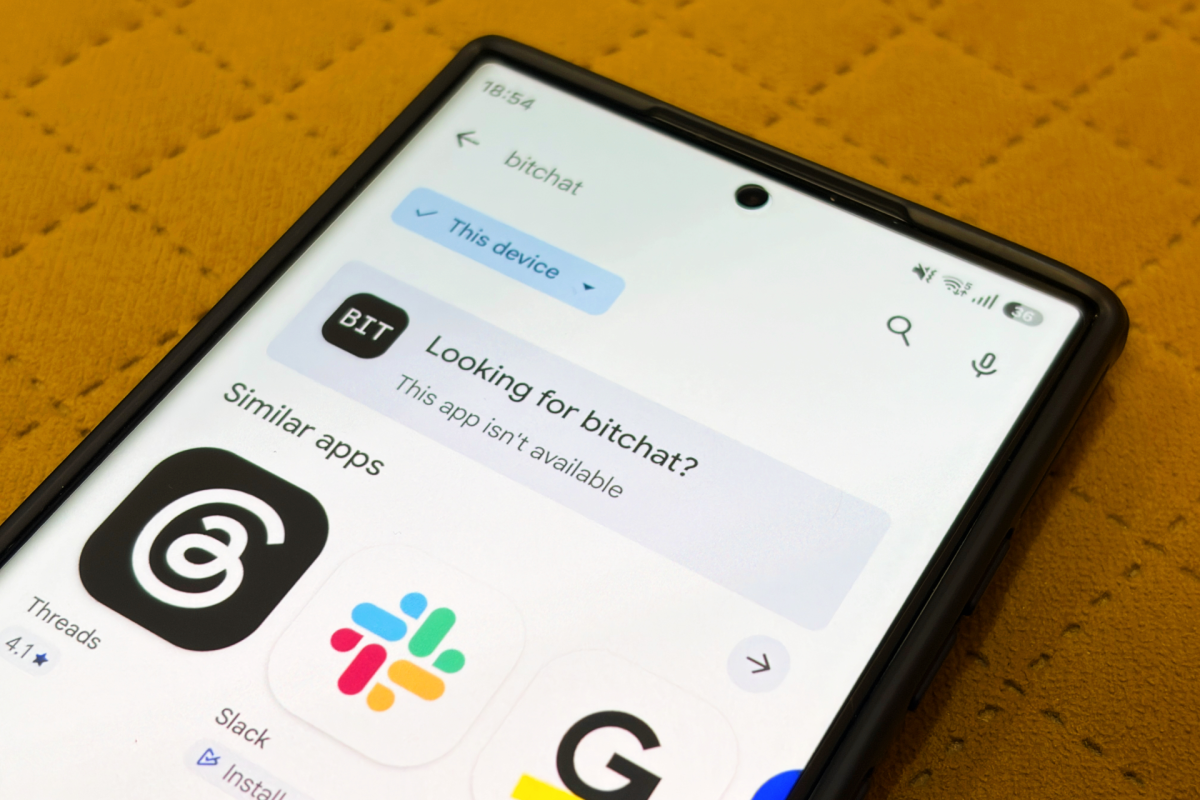
The Indian government has ordered Apple and Google to block Jack Dorsey’s Bluetooth mesh messaging app, Bitchat, across the country.
India orders Apple and Google to delist Jack Dorsey’s Bitchat messaging app nationwide under Section 69A of the IT Act.
Consequently, India has removed Jack Dorsey’s peer-to-peer app Bitchat from local app stores. The Union government ordered the swift takedown under domestic information technology laws. Meanwhile, users across the country lost direct access to the popular offline platform. In fact, the software relies strictly on Bluetooth mesh networks rather than the internet.

Government Enforces Sweeping Mobile App Ban
Specifically, the Union Ministry of Electronics and Information Technology issued the direct takedown order. Officials invoked Section 69A of the Information Technology Act to remove the app. As a result, Apple took down the application from the Indian App Store catalog. Indeed, Dorsey posted a screenshot on social media confirming the formal removal notice. The company also disabled access to the testing tool TestFlight in India.
Simultaneously, Android users faced identical barriers while trying to obtain the software. Google Play delisted the application across its Indian marketplace over the weekend. In addition, several local internet service providers blocked the official Bitchat website. For example, observers linked the sudden digital crackdown to civil demonstrations, mirroring how youths protest economic hardship across global cities when digital surveillance expands. Therefore, local smartphone users must now seek complex workarounds to download installation files.
Technical Power of Mesh Networks Under Scrutiny
Furthermore, Bitchat has drawn sharp regulatory attention due to its unique technical design. The platform runs on Bluetooth Low Energy rather than traditional cell towers. In fact, messages hop silently from one nearby device to another across physical crowds. Dorsey helped build the system with open-source tools to guard user privacy. Consequently, the app does not demand phone numbers, SIM cards, or centralized account credentials.
However, Indian authorities argue that these privacy tools create massive security blind spots. State investigators claim the encrypted mesh tool obstructs lawful monitoring during public emergencies. For instance, a detailed report from Hindustan Times revealed fears that activists coordinate unlawful gatherings anonymously. As a result, security planners worry that normal cell site shutdowns cannot halt communication. Thus, local agencies see the network as an uncontrollable barrier to digital tracking.
Civil Liberties Advocates Contest Ongoing Crackdowns
Additionally, this digital action represents the second state intervention against the open-source software. In July, the Home Ministry ordered GitHub to scrub repositories hosting the code. Authorities grew alarmed after demonstrators in New Delhi deployed the tool during street rallies. According to market metrics reported by Mint, India represented 85 percent of all Bitchat downloads in July. Subsequently, adoption surged among students opposing government changes to public voter registries.
In contrast, digital rights advocates strongly condemn the state’s aggressive online enforcement actions. Legal specialists at the Internet Freedom Foundation labeled the takedown demand unconstitutional. The group noted that Section 69A covers illegal content, not general software infrastructure. Meanwhile, tech industry coverage by TechCrunch highlights rising global friction between free platforms and state regulators. Consequently, digital rights activists warn that blocking mesh software sets a dangerous global precedent.
Ultimately, the sudden removal of Bitchat highlights growing friction between state power and private code. Regulators continue to block platforms that bypass conventional telecom networks. However, open-source developers worldwide keep creating decentralized options to protect user speech. Therefore, this standoff over private mesh networks will reshape digital freedom for millions.




