


Malaria remains one of the most serious public health challenges, particularly in sub-Saharan Africa, where millions of people are at risk each year. Despite significant progress in prevention and treatment, the disease continues to claim lives, especially among children under five and pregnant women. Health experts say increased awareness, early diagnosis and prompt treatment remain the most effective ways to reduce malaria-related illness and deaths.
Understanding Malaria
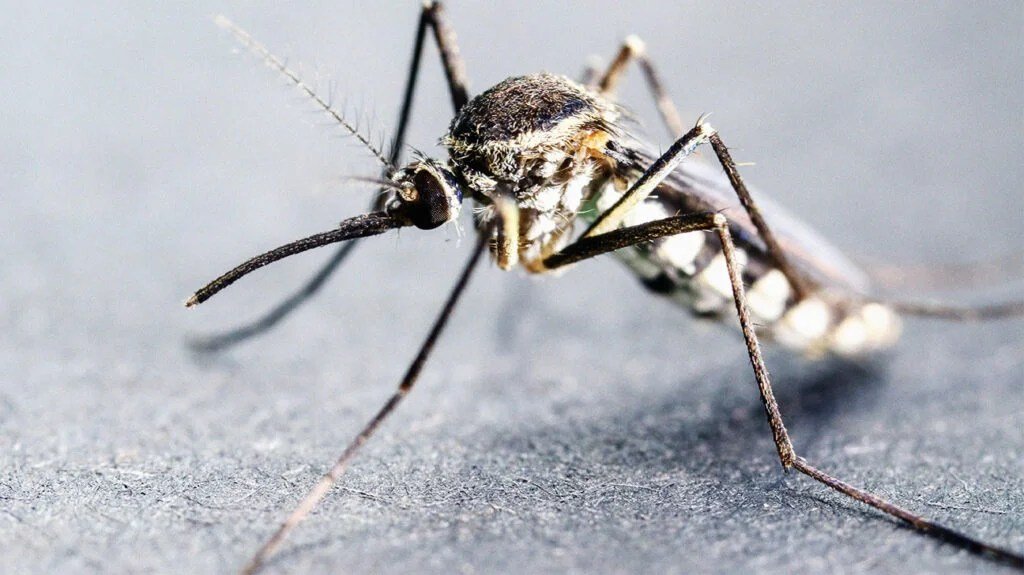
Malaria is a life-threatening disease caused by Plasmodium parasites, which are transmitted to humans through the bites of infected female Anopheles mosquitoes. Once inside the body, the parasites multiply in the liver before infecting red blood cells, leading to symptoms that can quickly become severe if left untreated.
Common Symptoms

The early signs of malaria are often similar to those of the flu and may include:
– High fever
– Chills and excessive sweating
– Headache
– Body and muscle aches
– Fatigue
– Nausea and vomiting
– Loss of appetite
Severe malaria may cause confusion, difficulty breathing, seizures, severe anaemia or organ failure. Anyone experiencing these symptoms should seek immediate medical attention.
Prevention Remains the Best Defence
Public health experts continue to stress that preventing mosquito bites is the most effective way to reduce malaria transmission. Recommended preventive measures include sleeping under insecticide-treated mosquito nets, using mosquito repellents, wearing long-sleeved clothing during the evening, and ensuring homes are fitted with window and door screens where possible.
Communities are also encouraged to eliminate stagnant water around homes, as these areas provide breeding grounds for mosquitoes. Regular environmental sanitation and proper waste disposal can significantly reduce mosquito populations.
Early Diagnosis and Effective Treatment
Health professionals advise anyone with symptoms suggestive of malaria to visit a healthcare facility for proper testing rather than relying on self-medication. Laboratory confirmation through rapid diagnostic tests or microscopy helps ensure patients receive the appropriate treatment.
Uncomplicated malaria is commonly treated with artemisinin-based combination therapies (ACTs), which remain the recommended first-line treatment in many countries. Completing the full course of prescribed medication is essential to ensure the parasites are completely eliminated and to reduce the risk of drug resistance.
Protecting Vulnerable Groups
Children under five years of age, pregnant women, older adults and people with weakened immune systems face a higher risk of severe malaria. Pregnant women are encouraged to attend regular antenatal care, where they may receive preventive treatment and health education to protect both mother and baby.
Parents and caregivers should also seek medical care promptly whenever a child develops a fever, as malaria can progress rapidly in young children.
The Role of Communities
The fight against malaria extends beyond healthcare facilities. Community participation through regular environmental clean-up campaigns, public education and early reporting of symptoms plays a crucial role in reducing transmission.
Health authorities continue to encourage collaboration between governments, healthcare providers and local communities to improve access to prevention tools, strengthen surveillance systems and ensure effective treatment reaches those who need it most.
Conclusion
Although malaria remains a major public health concern, it is both preventable and treatable. Increased awareness, prompt diagnosis, adherence to recommended treatment and consistent use of preventive measures can significantly reduce infections and save lives. As countries continue to strengthen malaria control programmes, individual and community action will remain essential in the effort to eliminate the disease.




