


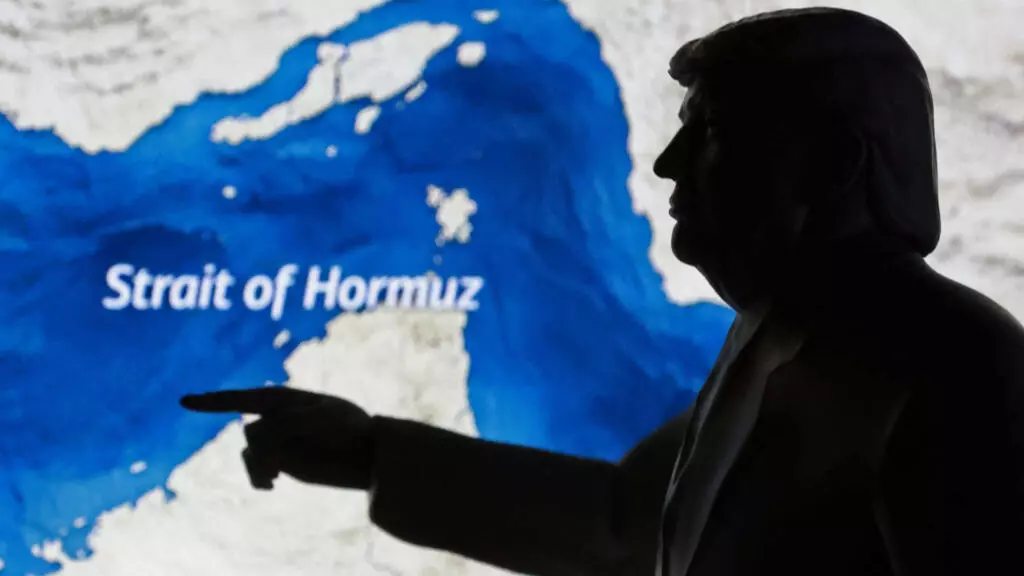
Growing tensions between the United States and Iran are beginning to expose the limits of President Donald Trump’s hardline negotiating style, as efforts to force Tehran into a deal appear to be stalling instead of producing results.
Since returning to office, Trump has relied heavily on pressure tactics public threats, sharp rhetoric, and ultimatums to push foreign governments into making concessions.
While that approach delivered wins in some trade and security disputes, analysts say Iran has proven far more resistant.
The conflict, now entering its eleventh week, has already shaken global energy markets and intensified fears of a prolonged regional crisis.

Despite heavy U.S. and Israeli strikes that reportedly weakened parts of Iran’s military structure, Tehran has continued to exert influence by maintaining pressure around the Strait of Hormuz, one of the world’s most critical oil transit routes.
Trump has repeatedly framed the confrontation as a battle the United States must “win completely,” while Iranian leaders have portrayed their survival through the attacks as proof of resilience.
Former U.S. negotiators argue that this kind of public pressure may actually harden Iran’s position rather than force compromise.
“No government wants to be seen as surrendering under threats,” one former official familiar with past Iran negotiations said, warning that harsh rhetoric often makes diplomacy more difficult.
Trump has continued to send mixed signals throughout the crisis at times demanding unconditional surrender, and at other moments suggesting he remains open to negotiations. Some of his strongest remarks have come through late-night social media posts, including warnings of devastating military action if Iran refuses a deal.
Iranian officials have responded with their own defiant messaging, accusing Washington of intimidation while insisting the country will not bow to external pressure.
The crisis has also created growing political pressure inside the United States. Rising fuel prices and concerns about a drawn-out conflict are beginning to affect public opinion ahead of key elections, while lawmakers remain divided over the president’s handling of the war.
Meanwhile, during his recent meeting in Beijing with Xi Jinping, Trump discussed the Iran conflict and the importance of keeping the Strait of Hormuz open to global energy supplies.
China, which relies heavily on Middle Eastern oil imports, has become an increasingly important player in the diplomatic balancing act surrounding the crisis.
Experts warn that unless tensions ease soon, the deadlock could drag on for months, further disrupting global oil markets and increasing the risk of a broader regional confrontation.




