


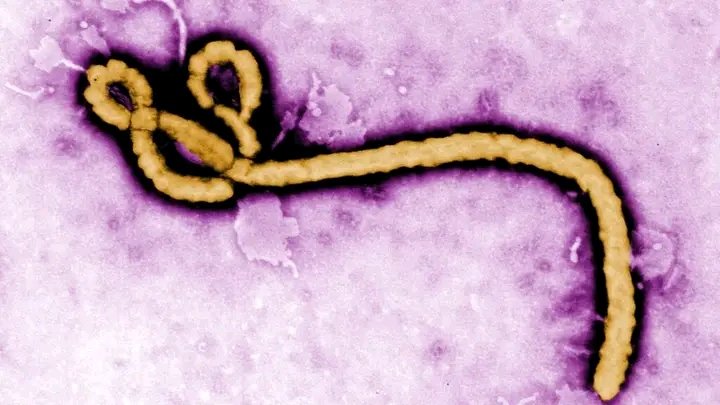
ABUJA, NIGERIA — The Nigeria Centre for Disease Control and Prevention has called on state governors across the country to increase funding for disease surveillance and frontline health workers as part of efforts to prevent the entry and spread of Ebola Virus Disease in Nigeria.
The appeal comes amid growing concerns over the outbreak of the Bundibugyo strain of Ebola in parts of Africa, prompting health authorities to strengthen preparedness measures and enhance monitoring at the country’s borders and healthcare facilities.
According to the NCDC, adequate funding is critical to ensuring that health workers, laboratories, emergency response teams, and disease surveillance systems remain capable of detecting and responding swiftly to any suspected cases. The agency emphasized that early detection and rapid intervention are essential in preventing outbreaks from escalating into public health emergencies.
Health officials noted that Nigeria’s previous experiences in combating infectious diseases have demonstrated the importance of sustained investment in preparedness and response systems. They stressed that disease prevention efforts require continuous support rather than reactive measures after an outbreak has already occurred.

The agency specifically urged governors to prioritize funding for public health infrastructure, workforce training, emergency response mechanisms, and community awareness campaigns. It also encouraged state governments to strengthen collaboration with federal health authorities and international partners to improve readiness for potential health threats.
The Bundibugyo strain is one of several known strains of the Ebola virus and has been associated with outbreaks in parts of East and Central Africa. Public health experts warn that increased regional mobility and cross-border travel make continuous surveillance necessary to prevent the importation of infectious diseases.
The Nigeria Centre for Disease Control and Prevention stated that it has intensified monitoring activities and is working with relevant agencies to ensure that screening, reporting, and response protocols remain effective. The agency also noted that healthcare facilities nationwide have been advised to maintain a high level of vigilance for symptoms consistent with Ebola Virus Disease.
Experts in public health have welcomed the NCDC’s call, noting that investment in preparedness is often more cost-effective than responding to large-scale outbreaks. They argue that strengthening healthcare systems not only improves Ebola preparedness but also enhances the country’s capacity to tackle other infectious diseases and public health challenges.
In addition to funding, health authorities have stressed the importance of public awareness and community engagement. Citizens have been encouraged to report unusual illnesses promptly and adhere to health advisories issued by relevant authorities.
Nigeria gained international recognition for successfully containing an Ebola outbreak in 2014 through rapid response measures, aggressive contact tracing, and coordinated public health interventions. Health officials say lessons from that experience continue to inform current preparedness strategies.
As concerns over the spread of infectious diseases persist globally, the NCDC has reiterated the need for sustained support from state governments and stakeholders to safeguard public health and ensure the country remains prepared for any potential Ebola threat.




