


Nigeria misses the 2026 digital switchover deadline, delaying the transition to digital broadcasting as funding and technical issues persist.
Nigeria has failed to meet its latest deadline for the Digital Switch Over (DSO). The National Broadcasting Commission missed the May 2026 target for the nationwide transition. This failure marks another setback for the country’s broadcasting sector. Millions of viewers remain stuck on old analogue signals.
A History of Broken Promises
Historically, Nigeria has struggled to migrate from analogue to digital signals for eighteen years. The country first adopted the International Telecommunication Union directive in 2008. Since then, the government has missed several major deadlines in 2012, 2015, and 2017. These delays have stalled the growth of the media and advertising industries.
Consequently, the government has now fixed a new “final” date for June 17, 2026. This announcement came after the Minister of Information, Mohammed Idris, inspected facilities in Abuja. He claimed that the project is now ready for a full commissioning. However, many analysts remain skeptical given the long history of failed rollouts.

Funding and Infrastructure Hurdles
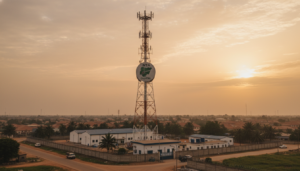
Furthermore, technical and financial bottlenecks continue to plague the DSO project. The government recently approved a N10 billion grant to help the NBC complete the process. This funding aims to provide domestic digital innovation and expand signal coverage to all thirty-six states. Many rural areas still lack the necessary infrastructure to receive digital transmissions.
Moreover, the distribution of set-top boxes remains a significant logistical challenge. The Guardian Nigeria reports that millions of households cannot afford the required equipment. Previous attempts to subsidize these boxes faced allegations of misappropriation and supply shortages. Without these boxes, the transition to digital television will remain incomplete for most citizens.
The Road to June 17
Similarly, the government is now relying on satellite technology to achieve nationwide reach. The NBC has partnered with NIGCOMSAT to power the upgraded framework. This partnership hopes to deliver over 100 free channels to viewers by June. Officials believe this move will finally unbundle the broadcasting market for better competition.
Ultimately, the successful switch will free up valuable spectrum for telecommunications. This “digital dividend” is expected to improve internet speeds across the country. However, the NBC must ensure that all technical gaps are closed before next month. Nigerians are waiting to see if this deadline will finally be met.
The journey to digital broadcasting in Nigeria remains a complex national project. Public confidence has been eroded by years of missed targets and policy shifts. The government must now prove its commitment with a transparent and effective rollout. Only then can the nation enjoy the benefits of modern television technology.




