


tech-northrop-grumman-space-tech-extends-orbiting-satellites
Northrop Grumman Space Tech Extends Orbiting Satellites A new era of orbital tech begins as Northrop Grumman launches its robotic space mechanic. The innovative system will attach propulsion modules to older satellites, extending their lifespans by years. Discover how new Northrop Grumman space tech uses a robotic mechanic to refuel and repair aging satellites in Earth orbit today.
Essentially, a new era of orbital tech has officially started. In fact, Northrop Grumman recently launched a robotic space mechanic. Specifically, this robot will extend the life of older satellites. As a result, these aging machines can stay in orbit much longer.
The New Era of Orbital Tech
Simultaneously, four new spacecraft recently launched on a SpaceX rocket. Indeed, these advanced craft flew straight into high Earth orbit. For example, they traveled nearly twenty-seven thousand miles above the ground. Consequently, they will soon reach their deep space targets.

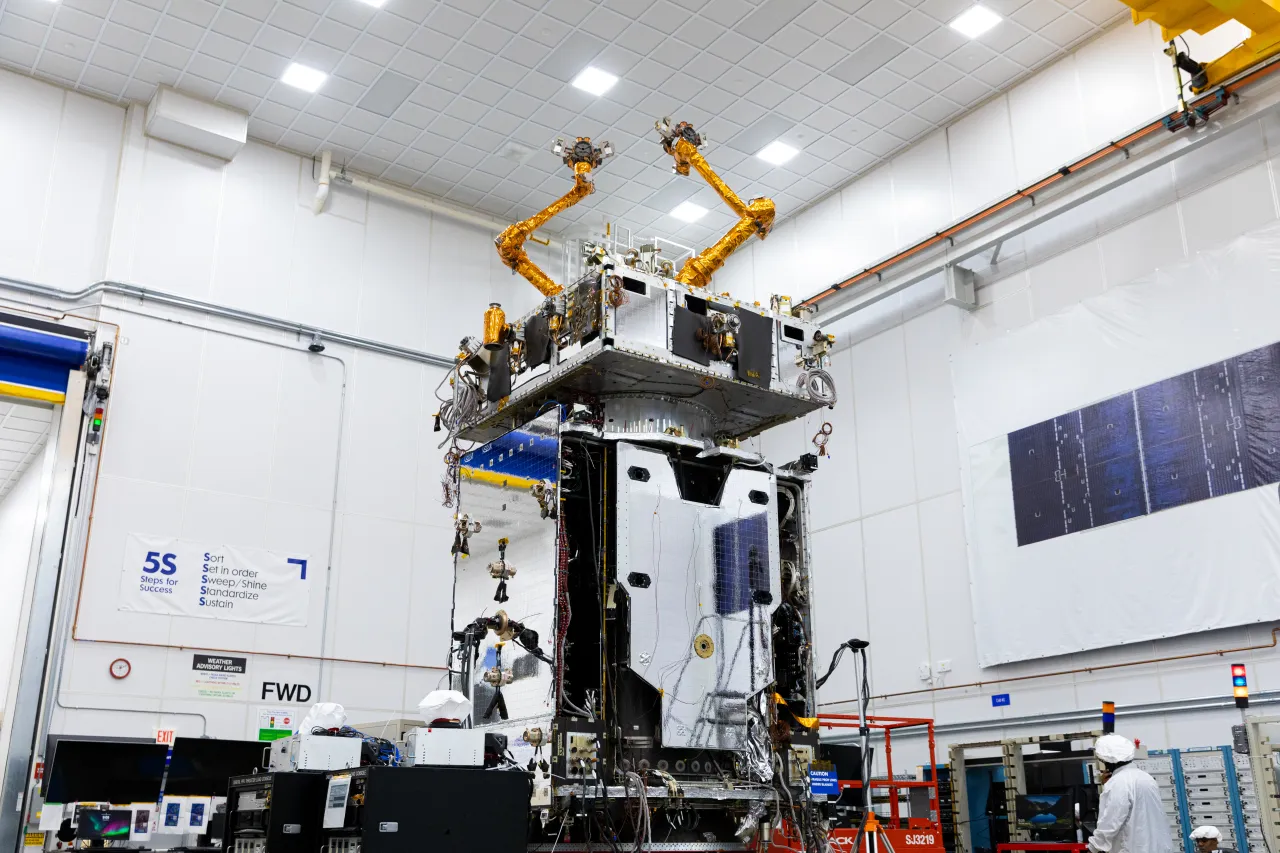
Furthermore, the main ship is the new Mission Robotic Vehicle. Of course, this ship carries two big robotic arms. Specifically, federal engineers built these special tools for the mission. Therefore, the robot can grab and fix objects in space easily.
How The Mission Robotic Vehicle Works
Additionally, three smaller pods flew alongside the main robotic vehicle. In contrast, these smaller units act as fresh engine packs. Indeed, these modular pods contain full propulsion systems for older satellites. Through this, aging satellites gain a brand new engine in orbit.
Meanwhile, experts plan to test this robotic system very soon. For example, the robot will approach an old Optus satellite. Subsequently, it will use its arms to attach a small pod. Therefore, the satellite will get a permanent fuel boost. Additionally, this pod acts exactly like a fresh gas tank. As a result, the older satellite can keep working perfectly.
Fixing The Main Problem In Space
However, many people misunderstand why satellites die in space. In fact, most orbiters do not suffer from computer failures. Indeed, they simply run out of fuel to hold their position. As a result, they drift away and stop working entirely.
Specifically, earlier tech already proved that this rescue idea works well. For example, an older ship clamped onto a dying satellite recently. Consequently, it kept that satellite safe for over a whole year. Indeed, this older model just detached to let the new robot work.
Consequently, this innovative tech changes everything for orbital missions. Furthermore, companies can now buy permanent upgrades for their gear. For example, a technology hub on Earth could control these updates. Ultimately, these tools ensure that space networks never go dark. Indeed, modern society relies entirely on these distant satellite networks. Therefore, keeping them alive protects our internet and phone signals.
Building A Sustainable Space Economy
Therefore, the new orbital market is growing at a fast pace. In fact, a Forbes report on satellite repair noted a massive shift. Specifically, both startups and large firms want a piece of this action. As a result, space logistics has become a major global industry.
Subsequently, cheaper parts make these space repair missions highly profitable. Indeed, lowering launch costs helps companies send more rescue ships upward. Through this, operators save money by keeping old hardware active longer. Ultimately, we can create a truly green and sustainable space environment.
Furthermore, these smart robots act as the perfect orbit mechanics. Of course, they do not need human hands to do their job. Therefore, operators avoid the huge risk of sending astronauts into space. Ultimately, fully automated repair missions will dominate the future space economy.
To conclude, orbital mechanics are changing the future of modern spaceflight. In fact, robotic space tech will soon fix almost any broken satellite. Consequently, this bold plan guarantees an endless era of stellar exploration.




