


tech-airbound-bags-37m-rocket-delivery-drones
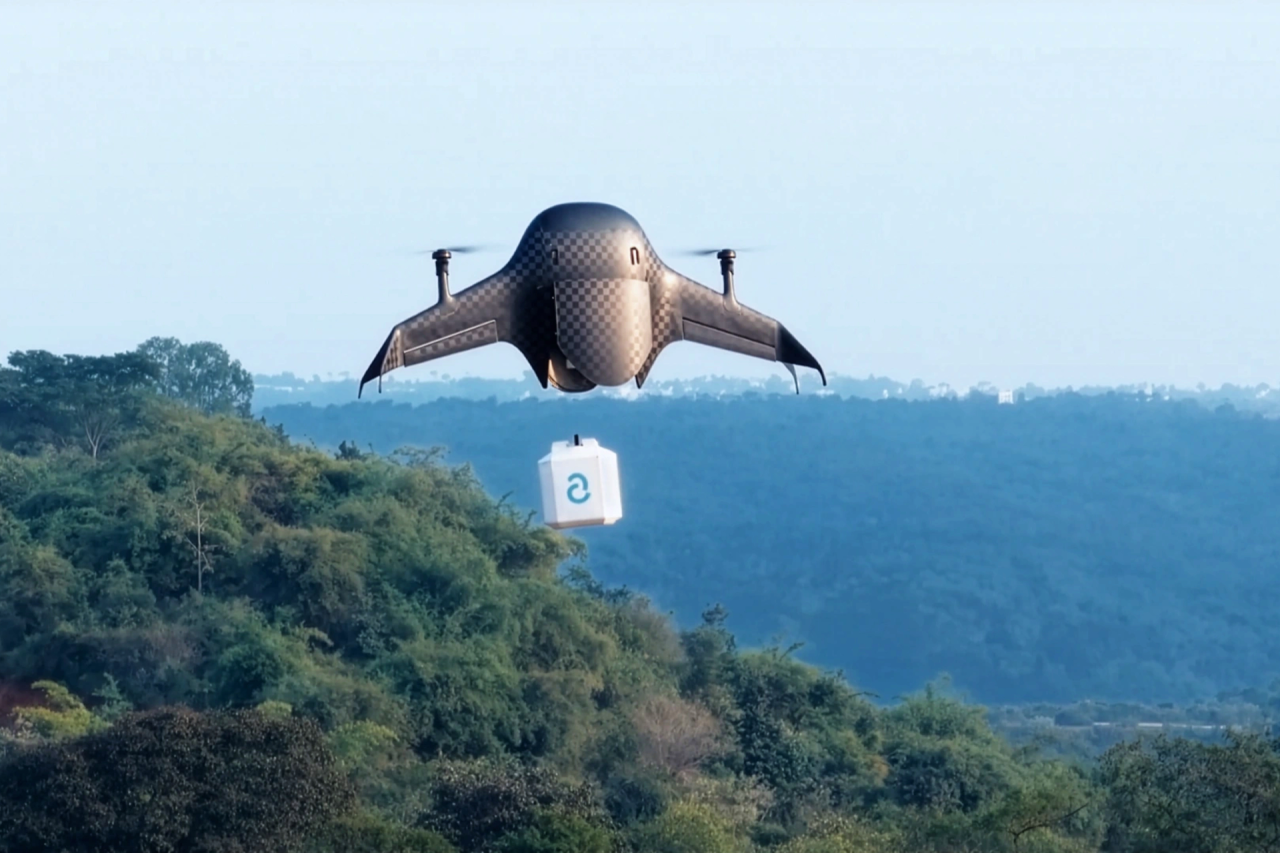
Tech Startup Airbound Bags $37M for Rocket-Like Drones The Bengaluru-based tech company will scale its ultra-light, carbon-fiber autonomous drones to replace slow delivery trucks, aiming to cut logistics costs down to a single cent per trip. Tech startup Airbound has raised $37 million to revolutionize Indian logistics with efficient, rocket-like delivery drones.
Specifically, tech startup Airbound just secured a massive $37 million funding round. Consequently, the company will expand its bold drone delivery operations. Additionally, Greenoaks led this highly prestigious Series A tech investment. Ultimately, Airbound wants to replace slow trucks with rocket-like flying machines.
Redefining Tech Logistics With Drones
Essentially, the aerospace tech company aims to change freight transport completely. However, making flying robots cheap enough remains a massive global challenge. Therefore, Airbound focuses heavily on extreme lightweight aircraft design. In fact, standard delivery drones rely on heavy spinning blades. Consequently, those older models use huge amounts of battery power. Meanwhile, Naman Pushp founded this bold tech company to solve this exact problem. Specifically, he started designing these smart machines at age fifteen. Ultimately, his vision centers on removing useless heavy parts entirely.

Furthermore, the startup builds unique aircraft bodies from simple carbon fiber. Specifically, these advanced rocket-like drones launch vertically into the sky. Subsequently, they tilt forward to fly smoothly like traditional airplanes. Indeed, this clever design eliminates many heavy moving metal parts. As a result, the aircraft flies faster while reducing wind resistance. Of course, the entire craft weighs just over one single kilogram. In contrast, standard electric delivery bikes weigh nearly 150 kilograms. Therefore, this massive weight drop cuts energy use by twenty times.
Slashing Costs and Travel Times
Meanwhile, the tech firm wants to cut delivery costs drastically. For example, their main goal is reaching one cent per trip. Consequently, travel distance would become entirely irrelevant for local shop owners. Indeed, current road couriers struggle with bad traffic congestion daily. In contrast, the TRT drone model flies directly over blocked streets. Furthermore, these flying machines produce very little noise in the air. As a result, they easily blend into busy city environments. Ultimately, affordable aerial tech will help small businesses across India grow.
Additionally, early real-world medical testing shows amazing operational success. Specifically, Airbound recently partnered with famous Narayana Health hospitals. Consequently, they completed over 700 vital medical sample flights perfectly. In fact, a standard five-hour truck trip now takes just seven minutes. Therefore, doctors can check sick patient data much faster than before. Meanwhile, the tech startup keeps a strict zero-failure safety record. Indeed, safe flying builds strong trust with local government leaders. To conclude, this life-saving tech proves that hardware upgrades still matter.
Huge Backing From Tech Industry Titans
Subsequently, major global investors clearly see this huge growth potential. Specifically, Greenoaks led this massive Series A tech funding round. Additionally, DoorDash and Lightspeed joined this recent financial funding event. Moreover, this fresh cash pushes their total funding near $50 million. In fact, this new money arrives shortly after a good seed round. Therefore, the young founder has enough resources to build more drones. Meanwhile, bold aerospace ventures often attract massive global investments today. Indeed, news recently broke that Trump bought SpaceX shares two weeks after blockbuster IPO.
Consequently, the company will grow its operations across Andhra Pradesh quickly. Specifically, they signed a formal deal with the local state government. Indeed, this smart partnership creates a huge flying delivery network. As a result, three major cities will soon connect through the sky. Furthermore, they plan to reach 10,000 daily drone flights very soon. However, building hardware requires intense focus and highly skilled workers. Therefore, a portion of the cash will help hire new engineers. Ultimately, this local building push strongly helps the national economy grow.
Future Plans and Global Expansion
Simultaneously, the tech business will expand far beyond hospital supplies. Specifically, they want to conquer quick commerce and everyday retail shopping. Indeed, rapid online shopping growth demands faster and cheaper transport plans. Consequently, city delivery networks will undergo a massive structural change. In contrast, standard delivery methods require huge and expensive ground spaces. However, Airbound works perfectly without complex runways or landing strips. As a result, rural villages can easily get modern goods instantly. Ultimately, this flexibility gives them a huge edge over normal trucks.
To conclude, this Indian startup looks toward international tech markets next. Specifically, they plan to enter the wealthy United States market eventually. However, American flying rules present a very hard legal hurdle today. Therefore, they must prove their safety standards through local testing first. Meanwhile, rivals like Amazon Prime Air also build similar flying designs. Indeed, the global race to control aerial tech remains extremely fierce. Through this, rocket-like drones might soon fill our bright blue skies. Consequently, the humble delivery truck may eventually become totally obsolete.
Ultimately, the future of tech logistics looks incredibly bright today. Indeed, Airbound proves that smart design solves massive real-world problems. Consequently, cheap aerial delivery will soon reach every single front door. Therefore, old ground transport must adapt or face total extinction soon.




