


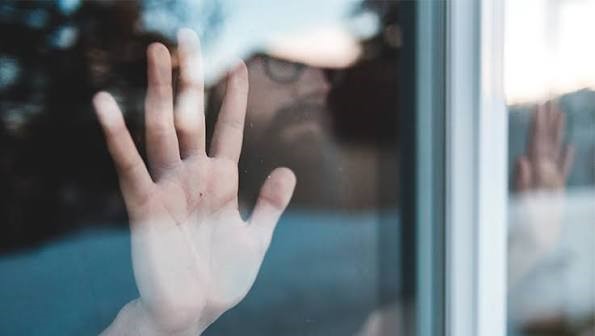
Mental health professionals are warning that self-isolation, especially when prolonged or unintentional, may be a sign of declining mental health. According to experts in Mental Health, withdrawing from social interaction is often linked to underlying psychological conditions such as depression, anxiety disorders, or severe stress, and should not be ignored.
Doctors explain that self-isolation occurs when an individual consistently avoids contact with family, friends, and social activities. While occasional solitude can be healthy and necessary for rest or reflection, chronic isolation often signals emotional distress or difficulty coping with daily life challenges.
According to psychiatrists, individuals who are self-isolating may show signs such as avoiding phone calls or messages, declining invitations to social events, spending excessive time alone, losing interest in previously enjoyed activities, and reduced communication with others. In many cases, this behaviour develops gradually, making it harder for loved ones to notice early warning signs.
Medical professionals warn that prolonged self-isolation can worsen mental health conditions over time. Without social interaction, individuals may experience increased loneliness, negative thinking patterns, reduced motivation, and emotional instability. This can create a cycle where isolation deepens depression, and depression further encourages isolation.

Health experts explain that self-isolation can also affect physical health. Lack of activity and reduced exposure to social environments may lead to poor sleep habits, decreased physical exercise, weakened immunity, and increased stress levels. Over time, these factors can contribute to both mental and physical health decline.
Doctors emphasize that self-isolation is often not a choice but a symptom of an underlying issue. People may withdraw because they feel overwhelmed, exhausted, anxious, or emotionally numb. In some cases, they may also fear judgment, rejection, or misunderstanding from others.
According to mental health specialists, early intervention is crucial. Family members and friends are encouraged to reach out gently and consistently to individuals showing signs of isolation, offering support without pressure or criticism. Even small gestures such as checking in or inviting someone for simple activities can make a meaningful difference.
Medical professionals recommend professional help when self-isolation begins to interfere with daily functioning. Therapy and counseling can help individuals understand the root causes of withdrawal and develop healthier coping strategies. In more severe cases, medication may be prescribed alongside psychological treatment.
Doctors also stress the importance of gradually reintroducing social interaction rather than forcing immediate change. Small steps, such as short conversations, brief outings, or participating in low-pressure group activities, can help rebuild confidence and reduce anxiety.
Health experts warn against dismissing self-isolation as “personality” or “shyness,” especially when it persists or worsens over time. Early recognition can prevent progression into more serious mental health conditions such as major depression or social anxiety disorder.
Mental health professionals conclude that self-isolation is a warning sign that should be taken seriously. They emphasize that with timely support, professional care, and gradual reintegration into social life, individuals can recover and rebuild healthy emotional connections.




