


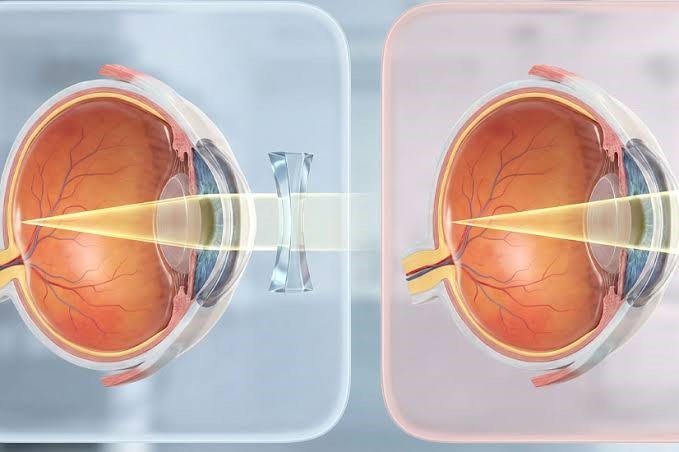
Short-sightedness, medically known as myopia, is one of the most common vision problems worldwide. It affects millions of people of all ages and makes it difficult to see distant objects clearly while nearby objects remain in focus. With the increasing use of digital devices and reduced time spent outdoors, health experts say the number of people living with myopia continues to rise.
What Is Short-Sightedness?
Myopia is a refractive error that occurs when the eye focuses light in front of the retina instead of directly on it. This usually happens because the eyeball is slightly longer than normal or the cornea is too curved.
As a result, distant objects appear blurry, while reading, writing and other close-up activities are generally unaffected.
Common Symptoms
People with short-sightedness may experience:

- Blurred vision when looking at distant objects
- Difficulty seeing road signs while driving
- Squinting to see clearly
- Frequent headaches caused by eye strain
- Eye fatigue after watching television or looking into the distance
- Sitting very close to televisions or computer screens
- Difficulty seeing the classroom board or presentation screens
Symptoms often begin during childhood and may gradually worsen as a child grows.
What Causes Myopia?
Several factors can increase the risk of developing short-sightedness.
Genetics
Children with one or both parents who are short-sighted are more likely to develop the condition.
Excessive Close-Up Work
Spending long hours reading, studying or using smartphones, tablets and computers without taking breaks may contribute to the development or progression of myopia.
Limited Time Outdoors
Research suggests that children who spend more time outdoors may have a lower risk of developing myopia compared to those who spend most of their time indoors.
How Is It Diagnosed?
Short-sightedness is diagnosed through a comprehensive eye examination performed by an optometrist or ophthalmologist. The examination may include:
- Visual acuity testing using an eye chart
- Refraction tests to determine the correct lens prescription
- Eye health assessment
- Examination of the retina and optic nerve
Regular eye examinations are important because vision can change over time.
Treatment Options
Although myopia cannot always be prevented, several treatments can improve vision.
Prescription Glasses
Eyeglasses are the most common and simplest way to correct short-sightedness by helping focus light properly onto the retina.
Contact Lenses
Contact lenses provide an alternative to glasses and may be suitable for people who prefer them for sports or cosmetic reasons.
Laser Eye Surgery
Some adults may qualify for laser procedures such as LASIK or PRK, which reshape the cornea to improve vision. Not everyone is a suitable candidate, so a thorough eye assessment is required.
Myopia Control in Children
Eye specialists may recommend special contact lenses, specially designed spectacle lenses or low-dose atropine eye drops for children whose myopia is progressing rapidly.
Tips to Protect Your Eyes
Eye care professionals recommend several habits that may help maintain healthy vision:
- Follow the 20-20-20 rule: Every 20 minutes, look at something about 20 feet (6 meters) away for at least 20 seconds.
- Limit unnecessary screen time.
- Spend more time outdoors, especially for children.
- Ensure good lighting when reading or studying.
- Maintain a healthy diet rich in leafy vegetables, fruits and foods containing vitamins A, C and E.
- Wear protective eyewear during sports or hazardous activities.
- Attend regular eye examinations.
When Should You See an Eye Specialist?
Seek professional eye care if you notice:
- Increasing difficulty seeing distant objects
- Frequent headaches
- Eye strain that interferes with daily activities
- Sudden changes in vision
- Flashes of light or floating spots in your vision
- Loss of part of your visual field
Early diagnosis and treatment can help prevent complications and improve quality of life.
Can Myopia Lead to Complications?
Most people with mild or moderate myopia enjoy healthy vision with corrective lenses. However, severe myopia may increase the risk of conditions such as retinal detachment, glaucoma, cataracts and myopic macular degeneration.
Regular eye examinations are essential for detecting these complications early.
Conclusion
Short-sightedness is a common eye condition that affects the ability to see distant objects clearly. While genetics play a significant role, lifestyle factors such as prolonged screen use and limited outdoor activity may also contribute. Fortunately, glasses, contact lenses and modern eye treatments can effectively correct vision, allowing most people with myopia to live normal, active lives. Maintaining healthy eye habits and scheduling regular eye examinations remain the best ways to protect long-term vision.




