


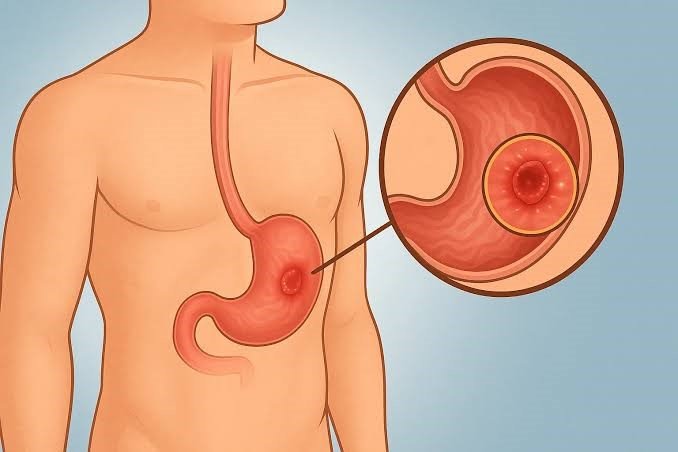
Stomach ulcers, also known as gastric ulcers, are open sores that develop on the lining of the stomach. They are a type of peptic ulcer disease, which also includes ulcers that form in the upper part of the small intestine (duodenal ulcers). Although ulcers can cause significant discomfort, they are treatable, especially when diagnosed early.
What Is a Stomach Ulcer?
A stomach ulcer occurs when the protective lining of the stomach becomes damaged, allowing stomach acid to erode the tissue beneath it. This can result in painful sores that may worsen if left untreated.
While ulcers were once believed to be caused mainly by stress or spicy foods, medical experts now know that most cases are linked to bacterial infection or long-term use of certain pain-relieving medications.
Common Symptoms
Symptoms can vary from person to person, but the most common signs include:

- A burning or gnawing pain in the upper abdomen
- Pain that may improve or worsen after eating
- Bloating or a feeling of fullness
- Heartburn or acid reflux
- Nausea or vomiting
- Frequent burping
- Loss of appetite
- Unexplained weight loss
Some people may have ulcers without experiencing noticeable symptoms until complications develop.
What Causes Stomach Ulcers?
Several factors can damage the stomach’s protective lining, including:
Helicobacter pylori (H. pylori) Infection
One of the leading causes of stomach ulcers is infection with Helicobacter pylori, a bacterium that weakens the stomach’s protective mucus layer, making it easier for acid to damage the tissue.
Long-Term Use of Painkillers
Regular use of nonsteroidal anti-inflammatory drugs (NSAIDs), such as aspirin, ibuprofen, and naproxen, can increase the risk of ulcers by reducing the stomach’s natural protective barriers.
Other Risk Factors
Other factors that may increase the risk include:
- Smoking
- Heavy alcohol consumption
- Excess stomach acid production
- A family history of ulcers
- Older age
- Severe illness or chronic medical conditions
Although stress and spicy foods do not usually cause ulcers, they can worsen symptoms in people who already have the condition.
Possible Complications
If left untreated, stomach ulcers can lead to serious health problems, including:
- Internal bleeding
- A hole (perforation) in the stomach wall
- Blockage of food passing through the digestive system
- Increased risk of stomach infection
These complications require immediate medical attention.
How Are Stomach Ulcers Diagnosed?
Healthcare providers may use several methods to diagnose an ulcer, including:
- Reviewing medical history and symptoms
- Physical examination
- Tests for H. pylori infection
- Upper gastrointestinal endoscopy
- Imaging studies in certain cases
Early diagnosis helps prevent complications and improves treatment outcomes.
Treatment Options
Treatment depends on the underlying cause of the ulcer.
For ulcers caused by H. pylori, doctors usually prescribe:
- Antibiotics to eliminate the bacteria
- Proton pump inhibitors (PPIs) to reduce stomach acid
- Other medications that protect the stomach lining
If painkillers are responsible, patients may be advised to stop or reduce their use under medical supervision and switch to safer alternatives when appropriate.
Most ulcers begin to heal within several weeks when treated correctly.
Foods That May Help
A healthy diet can support recovery. Healthcare professionals often recommend:
- Fruits and vegetables
- Whole grains
- Lean proteins such as fish and chicken
- Yogurt and other probiotic-rich foods
- Plenty of water
Some people find it helpful to limit foods that worsen their symptoms, including:
- Very spicy meals
- Fried and fatty foods
- Alcohol
- Excess coffee and caffeinated drinks
- Carbonated beverages
Tips for Prevention
Reducing the risk of stomach ulcers involves several healthy habits:
- Wash hands regularly to reduce the risk of bacterial infections.
- Take pain-relieving medications only as directed.
- Avoid smoking.
- Limit alcohol consumption.
- Eat a balanced diet rich in fruits and vegetables.
- Manage long-term medical conditions with regular healthcare visits.
- Seek medical advice if persistent stomach pain develops.
When to See a Doctor
Medical attention should be sought immediately if any of the following symptoms occur:
- Vomiting blood
- Black or tarry stools
- Sudden, severe abdominal pain
- Difficulty swallowing
- Persistent vomiting
- Unexplained weight loss
These symptoms may indicate a medical emergency requiring urgent treatment.
Conclusion
Stomach ulcers are a common digestive condition that can affect people of all ages. Fortunately, most ulcers can be successfully treated with medication and lifestyle changes when diagnosed early. Recognizing the symptoms, understanding the causes, and seeking prompt medical care can help prevent serious complications and support a full recovery. Anyone experiencing persistent stomach discomfort should consult a qualified healthcare professional for proper evaluation and treatment.




