


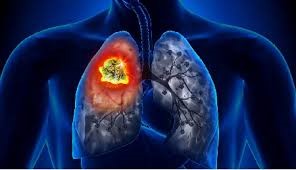
Lung cancer is classified into stages ranging from 0 to IV, with Stage IV representing the most advanced form of the disease. At this stage, known as metastatic lung cancer, cancer cells have spread beyond the lungs to other parts of the body, including the liver, bones, brain and adrenal glands.
Although Stage IV non-small cell lung cancer (NSCLC) is not typically considered curable, medical advances in recent years have significantly improved treatment outcomes, allowing many patients to live longer while managing the disease as a chronic condition.
Understanding Stage IV lung cancer
In contrast to earlier stages, where the disease is confined to the lungs or nearby lymph nodes, Stage IV lung cancer indicates that the cancer has metastasized to distant organs. This progression often results in more pronounced symptoms, including fatigue, persistent pain, difficulty breathing, chronic coughing, loss of appetite and emotional distress such as anxiety or depression.
As the disease advances, additional complications may arise depending on the organs affected. These can include bone fractures, neurological symptoms such as seizures or headaches, vision changes and jaundice.

Treatment goals and approach
For early-stage lung cancer, the primary objective is often complete remission. However, in Stage IV cases, treatment strategies typically focus on slowing disease progression, relieving symptoms and improving quality of life rather than achieving a cure.
Treatment plans are highly individualized and may include a combination of therapies such as chemotherapy, radiation therapy, targeted therapy and immunotherapy. In certain cases, surgery may be used to remove localized tumors that are causing significant symptoms or obstructing breathing.
Oncologists tailor treatment based on several factors, including the extent of the cancer’s spread, genetic characteristics of the tumor, the patient’s overall health, age and personal preferences.
Survival outlook and influencing factors
Survival rates for Stage IV NSCLC remain lower than for earlier stages. According to the American Cancer Society, the five-year survival rate for Stage IV non-small cell lung cancer is approximately 12%. However, experts emphasize that these figures are statistical averages and do not predict individual outcomes.
Several factors can influence prognosis, including overall health, age, gender, lifestyle choices such as smoking status, response to treatment, tumor biology and access to care. Genetic mutations within tumors can also play a significant role, as they may determine eligibility for targeted therapies that can improve survival outcomes.
Advances in treatment options
Recent developments in cancer treatment have contributed to improved outcomes for patients with advanced lung cancer.
Targeted therapy focuses on specific genetic mutations within cancer cells. Through biomarker testing, physicians can identify mutations that may respond to specialized drugs designed to inhibit tumor growth.
Immunotherapy helps stimulate the body’s immune system to recognize and attack cancer cells. These treatments are often more effective in tumors that express certain proteins, such as PD-L1.
Chemotherapy and radiation therapy remain widely used, either alone or in combination, to shrink tumors, slow progression or relieve symptoms.
In some cases, these treatments may also be used before or after surgery, or as palliative measures to improve comfort and reduce pain.
The role of palliative care
Palliative care plays an important role in the management of Stage IV lung cancer. It focuses on relieving symptoms, managing side effects and providing emotional and psychological support.
Studies have shown that patients who incorporate palliative care early in their treatment may experience improved quality of life and, in some cases, extended survival compared to those receiving standard treatment alone.
Emerging therapies and clinical research
Ongoing research continues to expand treatment possibilities for advanced lung cancer. Clinical trials are exploring new drug combinations, novel immunotherapies and more precise targeted treatments.
Advancements in diagnostic technologies and minimally invasive procedures, including robot-assisted surgery, are also improving the accuracy of detection and treatment planning.
Clinical trials provide patients with access to experimental therapies that are not yet widely available and contribute to the development of future treatment options.
A shifting outlook
While Stage IV non-small cell lung cancer remains a serious diagnosis, improvements in medical science are changing the outlook for many patients. With personalized treatment approaches, supportive care and ongoing research, individuals diagnosed with advanced lung cancer are increasingly able to manage the disease over longer periods while maintaining quality of life.
Medical experts stress that treatment decisions should be guided by healthcare professionals, taking into account the unique circumstances of each patient.



