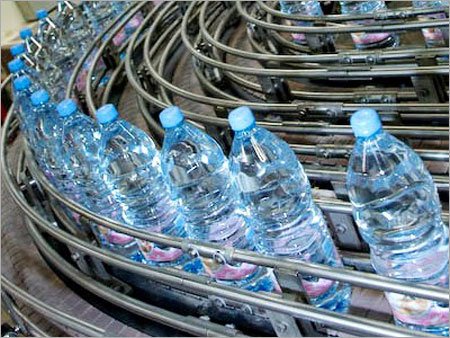
Water is one of the few things every human being needs to survive. It falls from the sky, flows through rivers, fills lakes and streams, and in many places comes directly through household taps. Yet despite being one of nature’s greatest gifts, bottled water has become one of the world’s most profitable businesses. Every day, millions of people willingly pay for something that, in many situations, is available at little or no cost. It sounds almost unbelievable when you stop to think about it. Imagine telling someone a hundred years ago that one day people would happily buy bottles of water while standing beside a functioning tap. They might have laughed and asked if the bottle was made of gold.
But here we are.
The bottled water industry has quietly grown into a multi-billion-dollar business, with supermarket shelves lined with countless brands promising freshness, purity, natural minerals and even premium lifestyles. At DDM News, we explored how companies managed to build such a successful business around something that nature provides freely, and the answer is a fascinating mix of marketing, convenience, trust and human psychology.
The biggest reason bottled water sells so well is convenience. Modern life moves quickly, and people are constantly on the go. Whether commuting to work, exercising at the gym, traveling, attending school or simply running errands, grabbing a bottle of water is often easier than carrying a reusable bottle or searching for a place to refill one. People aren’t always paying for the water itself, they’re paying for convenience.
Think about it. If you’re walking under the hot afternoon sun and suddenly become thirsty, you’re probably not going to start searching for the nearest public tap. The cold bottle sitting inside a nearby shop suddenly becomes very attractive. At that moment, you’re buying instant relief rather than just water.
Trust also plays an important role. In many parts of the world, concerns about water quality have encouraged people to rely on bottled water for drinking. Whether those concerns are justified or simply based on perception, the result is the same. Many consumers believe sealed bottled water offers greater safety and consistency than other available sources. Companies understand this and spend heavily promoting ideas of purity, filtration and quality control.
Packaging deserves much more credit than many people realize. A simple plastic bottle with an attractive label can completely change how people perceive the product inside. Words like natural spring, mountain source, pure, and mineral rich instantly create images of crystal-clear streams flowing through untouched forests. In reality, most people never stop to ask where the water actually comes from. The label does much of the convincing.
Marketing has also transformed bottled water into something much bigger than hydration. Some brands don’t simply sell water, they sell lifestyles. Advertisements feature athletes finishing intense workouts, successful professionals walking confidently into meetings, travelers exploring breathtaking destinations and happy families enjoying sunny afternoons. The message is subtle but powerful: buying this bottle means you’re choosing health, success and happiness.
Of course, water itself doesn’t suddenly become more refreshing because a smiling model held it in a television commercial. But marketing has always been about selling emotions rather than products, and bottled water is no exception.
Then there is premium bottled water, which takes things to another level entirely. Around the world, some luxury brands sell water at prices that leave many people speechless. Certain bottles cost more than a full meal at a restaurant. Others are packaged in designer glass bottles that look more like expensive perfume than drinking water. At that point, people aren’t paying for hydration anymore. They’re paying for exclusivity, image and the story surrounding the brand.
Let’s be honest. If someone handed you two identical glasses of water but told you one came from a “pristine glacier” and the other from a regular municipal supply, many people would probably swear the glacier water tastes better, even if they couldn’t actually tell the difference in a blind taste test. Our expectations have an incredible influence on how we experience products.
Restaurants have also played a significant role in the bottled water business. Instead of automatically serving tap water, many establishments present bottled options as though choosing between still and sparkling water is one of life’s great decisions. Before you know it, you’ve added another item to the bill without giving it much thought. Water, once considered the simplest drink available, has quietly become a premium menu item.
The rise of fitness culture has further fueled the industry’s growth. Health-conscious consumers are constantly encouraged to stay hydrated, and while that’s excellent advice, bottled water companies have positioned themselves perfectly to benefit from it. Walk into almost any gym, sporting event or marathon, and bottled water is never far away.
Social media has added another layer to the business. Influencers regularly appear with stylish reusable bottles or premium bottled water brands, turning hydration into part of a carefully curated lifestyle. A simple bottle of water now appears in travel photos, workout videos and office desk setups, subtly reinforcing the idea that what you drink, and how you drink it, says something about you.
Of course, the bottled water industry has also faced growing criticism. Environmental concerns surrounding plastic waste have encouraged many consumers to rethink their habits. Around the world, governments, businesses and individuals are promoting reusable bottles and improved refill stations as more sustainable alternatives. Many bottled water companies have responded by investing in recycled materials, lighter packaging and environmentally friendly initiatives, though the debate continues.
Interestingly, consumer behavior often reveals something surprising. Many people who insist bottled water tastes significantly better struggle to identify their favorite brand during blind taste tests. Psychology plays a larger role than we often admit. Packaging, branding and expectations shape our experience just as much as the liquid itself.
There is also an important economic lesson hidden inside this industry. Companies don’t always make fortunes by creating entirely new products. Sometimes they simply package familiar products differently, solve a small inconvenience or tell a compelling story that connects with consumers. The bottled water business perfectly demonstrates that success often comes from understanding human behavior rather than reinventing the wheel.
There’s a little humor in all of this too. Imagine explaining to your grandparents that one day people would carry expensive bottles of water while walking past free drinking fountains. They might shake their heads, smile and say, “So you’re telling me you paid for water and you’re proud of it?” Yet millions of us have done exactly that without thinking twice.
At DDM News, one thing is clear: the bottled water industry isn’t really selling water alone. It is selling convenience, trust, branding, health, image and peace of mind all wrapped inside a simple bottle. That’s what makes it one of the most remarkable business success stories of modern times. Nature may provide water for free, but businesses discovered that with the right packaging, clever marketing and a deep understanding of consumer psychology, even the most ordinary product can become an extraordinary source of profit. Sometimes the greatest business ideas aren’t about inventing something new, they’re about helping people see something familiar in an entirely different way.