



Iran and the United States have exchanged fresh air and drone strikes following escalating tensions over the Strait of Hormuz, as President Donald Trump dismissed reports of a potential maritime compromise deal as “fabricated.”
According to Reuters, Iran’s Islamic Revolutionary Guard Corps (IRGC) said it targeted a US air base on Thursday in response to an early morning American strike near Bandar Abbas, a key Iranian port city close to the strategically vital Strait of Hormuz.
A US official said American forces had shot down four Iranian attack drones and struck a ground control station that was preparing to launch a fifth drone. The US described the action as “measured, purely defensive, and intended to maintain the ceasefire.”
The IRGC later confirmed it had carried out retaliatory action but did not identify the location of the US base, warning that any further attacks would prompt a “more decisive” response and placing responsibility for consequences on the “aggressor.”

The renewed exchanges underscore the fragility of ongoing negotiations aimed at stabilising a ceasefire that took effect in April and ultimately restoring maritime traffic through the Strait of Hormuz, a critical global energy chokepoint.
Tensions were further heightened after Iranian state media circulated a draft memorandum suggesting a possible agreement involving the reopening of the strait and adjustments to US military presence in the region. The White House rejected the report outright, calling it a “complete fabrication.”
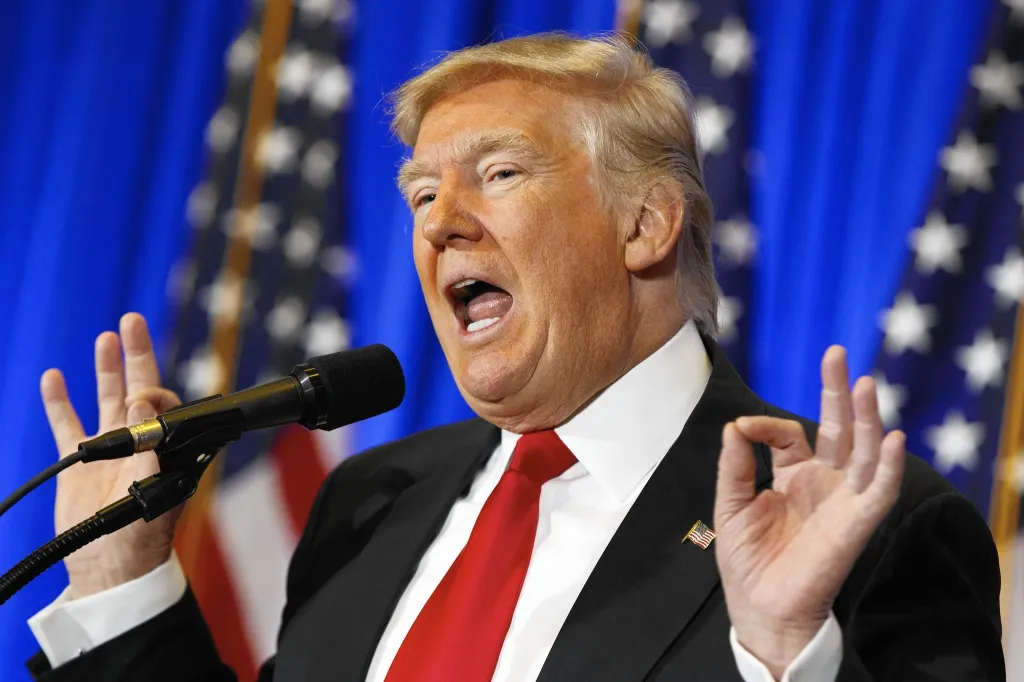
President Donald Trump also dismissed the claims, insisting that no country would be allowed to control the waterway and reiterating that negotiations were not yet complete.
As diplomatic efforts continue, the United States has also imposed new sanctions on Iran’s maritime management authority, escalating economic pressure alongside military action.
The Strait of Hormuz remains central to the conflict, with roughly one-fifth of global oil and liquefied natural gas shipments normally passing through the waterway before disruptions caused by the ongoing hostilities.
Oil markets reacted to the renewed tensions, with prices fluctuating amid fears that further escalation could threaten global energy supplies.
Despite intermittent ceasefire arrangements and diplomatic talks, both sides continue to accuse each other of violations, raising concerns that the conflict could widen further if negotiations collapse.




