


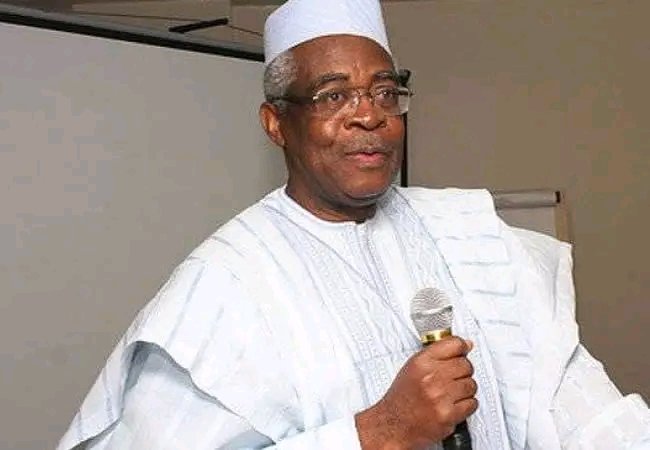
ABUJA, NIGERIA — Theophilus Yakubu Danjuma has praised former Head of State Yakubu Gowon for his historic “no victor, no vanquished” declaration, describing the message as a defining step that helped Nigeria begin healing after the scars left by the civil war.
Danjuma made the remarks during the presentation of Gowon’s autobiography, an event that brought together prominent political leaders, military veterans, public officials, diplomats, and other dignitaries to reflect on the former leader’s life and contributions to Nigeria’s history.
The event reportedly took place in Abuja, where speakers used the occasion to discuss important moments that shaped the country’s political evolution and post-war recovery efforts.
Danjuma noted that Gowon’s statement became one of the most important messages delivered after the end of the Nigerian Civil War because it reduced the possibility of further divisions and encouraged reconciliation among Nigerians.

He explained that the declaration went beyond politics and represented an effort to restore hope and unity at a time when the nation faced deep emotional and social wounds.
The phrase “no victor, no vanquished” emerged after the conclusion of the Nigerian Civil War in January 1970 and quickly became associated with efforts aimed at rebuilding the country.
Historians note that the Nigerian Civil War, fought between 1967 and 1970, followed political tensions and the attempted secession of the former Eastern Region.
The war remains one of the most significant periods in Nigeria’s history due to its humanitarian consequences and lasting social impact.
Following the end of hostilities, Gowon introduced a policy framework often described as reconstruction, rehabilitation, and reconciliation, which sought to reintegrate affected communities and rebuild national unity.
Analysts argue that the “no victor, no vanquished” message played a symbolic role in supporting those efforts because it attempted to reassure citizens that national healing would take priority over division and retaliation.
Political observers say the phrase remains relevant in modern discussions surrounding unity, conflict resolution, and nation-building.
Many Nigerians continue to view the declaration as one of the most memorable political statements associated with Gowon’s administration.
Supporters believe the message demonstrated restraint and leadership during a highly sensitive period in Nigeria’s history.
Others maintain that although challenges remained after the war, the declaration helped establish a framework for moving the country forward.
The book launch also created an opportunity for participants to revisit key moments in Nigeria’s past and examine how decisions taken decades ago continue to influence present-day conversations about national identity and cohesion.
As reflections on Nigeria’s history continue, analysts say lessons from the civil war era remain important in addressing contemporary national challenges and strengthening unity across the country.




