


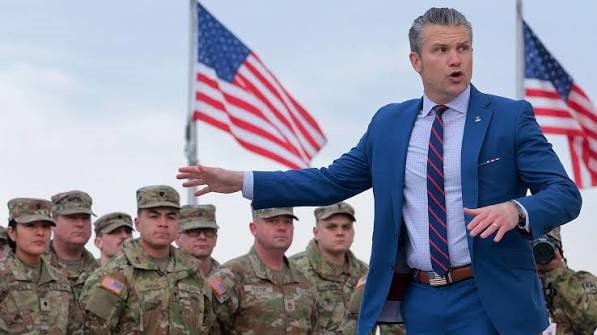
The U.S. military is preparing to introduce a routine low testosterone screening program for eligible service members, according to recent reports.
The initiative is designed to help identify individuals who may have clinically low testosterone levels and ensure they receive appropriate medical evaluation and treatment when necessary.
Military health officials say the program is intended to support overall health and operational readiness while improving access to medical care for personnel experiencing related symptoms.
Understanding Low Testosterone
Testosterone is a hormone that plays an important role in muscle mass, bone strength, red blood cell production, sexual health, and overall well-being.

Low testosterone, sometimes called testosterone deficiency or hypogonadism, can be associated with symptoms such as:
- Persistent fatigue
- Reduced muscle strength
- Lower sex drive
- Mood changes
- Difficulty concentrating
However, these symptoms can also result from other medical conditions. Healthcare professionals emphasize that diagnosis should only be made through a medical evaluation and appropriate laboratory testing.
Experts Welcome Screening but Urge Careful Evaluation
Some healthcare professionals say routine screening could help identify people who might otherwise go undiagnosed and improve access to timely treatment.
Others have cautioned that widespread screening should be accompanied by careful clinical assessment to reduce the risk of overdiagnosis or unnecessary treatment.
Medical experts note that testosterone therapy is not appropriate for everyone and should only be prescribed after a confirmed diagnosis by a qualified healthcare provider.
Treatment Decisions Will Remain Individualized
The military has indicated that screening results will be reviewed alongside each individual’s medical history, symptoms, and laboratory findings before any treatment decisions are made.
Doctors emphasize that not everyone with a low laboratory value requires medication, and treatment plans should be tailored to each patient’s specific health needs.
Looking Ahead
The screening program is expected to be introduced in phases as military health services finalize implementation plans.
Health experts say the initiative may contribute to a better understanding of hormone-related health issues among service members while supporting evidence-based medical care.




