


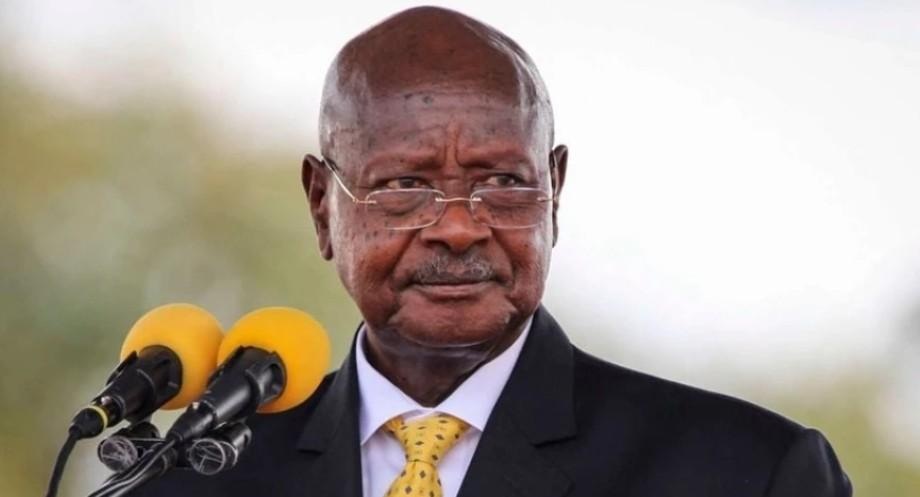
Uganda has enacted a controversial new law aimed at protecting the country from foreign interference, despite criticism from opposition figures, rights groups, and sections of civil society.
President Yoweri Museveni signed the “Protection of Sovereignty” bill into law after it was passed by parliament earlier this month.
The new legislation seeks to criminalise actions considered to promote foreign interests against Uganda’s national interests. It also bars individuals and organisations from developing or implementing policies without government approval.
Violations under the law could attract prison sentences of up to 10 years.

Museveni, who has ruled Uganda for decades, has frequently accused opposition politicians and non-governmental organisations of receiving foreign support to destabilise the country.
However, the law has triggered strong backlash from critics who fear it could be used to silence dissent and tighten restrictions on civil liberties.
Former deputy attorney general and finance minister Mwesigwa Rukutana said the bill had faced resistance from nearly every section of society and urged the government to reconsider it.
“This bill has been opposed by almost all segments of society,” he said, warning that it could become “toxic” if not reviewed through broader consultations.
Human Rights Watch also criticised the legislation, saying it resembles laws introduced in Russia and allied states that use vague language to target activists, journalists, and campaigners seen as troublesome by authorities.
Concerns have also been raised that the law could discourage foreign investment and further restrict political freedoms in the East African nation.




