


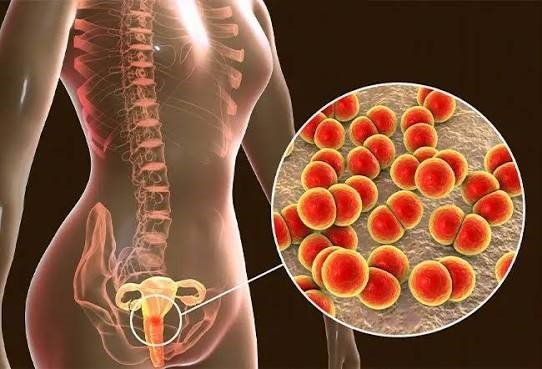
Sexually transmitted infections (STIs) remain a significant public health concern worldwide, affecting millions of people each year. These infections are primarily spread through sexual contact, including vaginal, anal, and oral sex, although some can also be transmitted through close skin-to-skin contact, blood exposure, or from mother to child during pregnancy and childbirth.
Health experts emphasize that early diagnosis, treatment, and preventive measures are essential to reducing the spread of STIs and preventing serious health complications.
Common Types of STIs
A wide range of infections fall under the STI category, each caused by different bacteria, viruses, or parasites.
Chlamydia
Chlamydia is one of the most common bacterial STIs and is often referred to as a “silent infection” because many people experience no symptoms. If left untreated, it can lead to fertility problems and other reproductive health complications.

When symptoms occur, they may include painful urination, unusual genital discharge, and discomfort in the pelvic area.
Genital Herpes
Genital herpes is caused by the herpes simplex virus and can result in painful blisters or sores around the genitals, anus, or mouth. The virus remains in the body for life, although symptoms may appear only occasionally or not at all.
While there is no cure, antiviral medications can help manage outbreaks and reduce transmission risks.
Hepatitis B
Hepatitis B is a viral infection that affects the liver and can lead to chronic liver disease if untreated. It can spread through sexual contact, blood exposure, and from an infected mother to her baby.
Vaccination remains one of the most effective ways to prevent hepatitis B infection.
Trichomoniasis
Trichomoniasis is a parasitic infection that often affects the reproductive tract. Many infected individuals do not develop symptoms, but those who do may experience irritation, unusual discharge, and discomfort during urination or sexual activity.
The infection can usually be treated successfully with prescribed medication.
HIV
Human Immunodeficiency Virus (HIV) attacks the immune system, making the body more vulnerable to infections and diseases. Advances in medical treatment now allow people living with HIV to maintain healthy lives and reduce the risk of transmitting the virus to others.
Healthcare professionals stress the importance of testing, early treatment, and preventive measures such as safe sex practices and preventive medication.
Human Papillomavirus (HPV)
HPV is among the most widespread sexually transmitted infections globally. While many infections resolve on their own, certain strains can cause genital warts and increase the risk of cancers, including cervical cancer.
Vaccination and routine health screenings play a critical role in reducing HPV-related health risks.
Syphilis
Syphilis is a bacterial infection that develops in stages and can cause severe health complications if left untreated. Early symptoms may include painless sores, while later stages can affect the brain, nervous system, and other organs.
Prompt diagnosis and antibiotic treatment are highly effective in managing the infection.
Gonorrhea
Gonorrhea is another common bacterial STI that can infect the reproductive organs, throat, rectum, and eyes. Many infected individuals show no symptoms, increasing the risk of unknowingly spreading the disease.
Without treatment, gonorrhea can lead to serious reproductive health complications.
Other Infections
Other conditions that may spread through sexual or close physical contact include pubic lice, molluscum contagiosum, scabies, and chancroid. While some are less common, they can still cause discomfort and require medical attention.
Preventing STIs
Health experts recommend several strategies to reduce the risk of infection:
- Consistent use of condoms and other barrier protection methods
- Routine STI screening, especially for sexually active individuals
- Open communication with sexual partners about testing and sexual health
- Limiting the number of sexual partners
- Receiving recommended vaccinations, including those for HPV and hepatitis B
- Seeking prompt treatment when symptoms or exposure concerns arise
While condoms significantly reduce the risk of many STIs, they may not fully prevent infections spread through skin-to-skin contact.
Importance of Early Testing
Many sexually transmitted infections cause few or no symptoms, making regular testing an important part of preventive healthcare. Early detection allows for timely treatment, reduces the risk of complications, and helps prevent transmission to others.
Healthcare providers encourage individuals who believe they may have been exposed to an STI to seek medical advice, even if they feel healthy.
Reducing Stigma Around Sexual Health
Medical professionals continue to stress that STIs are common and treatable health conditions. Fear of embarrassment or stigma often prevents people from seeking care, leading to delayed diagnosis and increased transmission.
Experts say improving public awareness, encouraging open conversations, and expanding access to testing and treatment are key steps toward improving sexual health outcomes.
Conclusion
Sexually transmitted infections remain a major health concern, but many are preventable and treatable with proper care. Regular testing, vaccination, safer sexual practices, and timely medical attention can help individuals protect themselves and their partners while reducing the overall burden of STIs in communities.




