


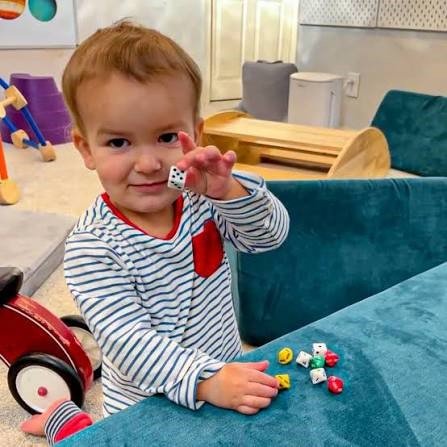
Health experts are warning parents and caregivers about the dangers of leaving small objects within reach of toddlers, emphasizing that these seemingly harmless items can cause choking, poisoning, internal injuries, and even death. According to medical professionals, accidental ingestion of small household objects remains one of the leading causes of emergency hospital visits among children under the age of five. They stress that toddlers are naturally curious and explore their surroundings by picking up and placing objects in their mouths, making constant supervision and a safe home environment essential.
Doctors explain that a toddler’s airway is much smaller than that of an adult, meaning even tiny objects can become lodged in the throat and completely block breathing. In addition to choking, certain objects such as button batteries and small magnets can cause severe internal injuries if swallowed. Experts note that many of these accidents happen in familiar environments such as living rooms, bedrooms, kitchens, and play areas, often when dangerous objects are left unattended for only a few minutes.
According to pediatric specialists, common household items that pose significant risks include coins, marbles, buttons, beads, pen caps, screws, nails, batteries, jewelry, toy parts, bottle caps, paper clips, safety pins, and small magnets. Foods such as nuts, popcorn, whole grapes, hard sweets, and chewing gum can also become choking hazards for young children if they are not prepared appropriately.
Medical professionals warn that button batteries deserve special attention because they can cause severe chemical burns inside the body within just a few hours after being swallowed. These batteries are commonly found in remote controls, watches, toys, hearing aids, digital thermometers, and key fobs. Similarly, swallowing multiple magnets can cause them to attract each other inside the intestines, leading to bowel perforation, infection, and the need for emergency surgery.

Doctors explain that the symptoms of choking may include sudden coughing, difficulty breathing, inability to cry or speak, wheezing, clutching the throat, bluish lips or skin, and loss of consciousness if the airway remains blocked. If a child swallows a foreign object that enters the digestive tract instead of the airway, symptoms may include drooling, difficulty swallowing, vomiting, abdominal pain, refusal to eat, or blood in the stool. Parents are advised never to assume that a swallowed object will pass naturally without medical assessment.
Health experts emphasize that immediate medical attention should be sought whenever a child is suspected of swallowing a button battery, magnet, or any sharp object, even if no symptoms are present. These objects can cause life-threatening internal injuries before warning signs become obvious. Caregivers are strongly advised not to induce vomiting or attempt to remove deeply lodged objects from a child’s throat with their fingers unless the object is clearly visible and easily accessible.
Medical professionals recommend creating a child-safe environment by regularly inspecting floors, furniture, and play areas for small objects that may have fallen or been left behind. Toys should always be appropriate for the child’s age and should be checked regularly for loose or broken parts that could become choking hazards. Parents are encouraged to follow age recommendations provided by toy manufacturers and avoid giving small toys to children under three years of age.
Doctors also advise storing batteries, medications, coins, office supplies, sewing materials, jewelry, and hardware tools in locked cabinets or containers well out of children’s reach. Family members and visitors should also be reminded not to leave handbags, wallets, or small personal items where curious toddlers can access them.
Health specialists encourage parents and caregivers to learn basic first aid for choking emergencies, as quick action can save a child’s life while waiting for emergency medical services. They also stress the importance of supervising young children during meals and ensuring that food is cut into small, manageable pieces suitable for the child’s age.
Medical professionals conclude that most accidents involving small household objects are entirely preventable. They emphasize that careful supervision, proper storage of hazardous items, regular inspection of children’s play areas, and prompt medical attention when accidents occur can significantly reduce the risk of serious injury or death. By taking simple but consistent safety precautions, families can create a safer environment that allows toddlers to explore and learn without unnecessary danger.




