


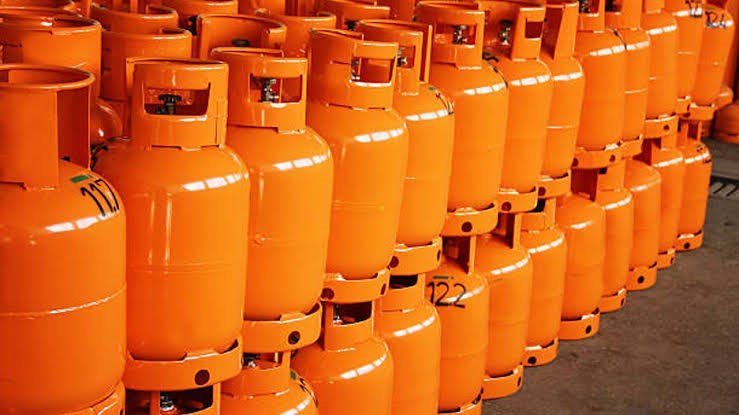
Medical professionals are urging households to follow proper gas cylinder safety practices, warning that improper handling, storage, or maintenance of cooking gas cylinders can lead to fires, explosions, severe burns, and loss of life. According to healthcare experts, domestic gas explosions remain a significant cause of preventable home injuries in many parts of the world. They emphasize that while liquefied petroleum gas (LPG) is a safe and efficient source of energy when used correctly, negligence and poor safety practices can have devastating consequences.
Doctors explain that gas explosions often occur when liquefied petroleum gas leaks from damaged cylinders, faulty regulators, worn-out hoses, or improperly connected appliances. Because LPG is highly flammable, even a small leak can ignite when exposed to an open flame, electrical spark, cigarette, or static electricity. In enclosed spaces, leaked gas can accumulate quickly, creating conditions for a powerful explosion capable of causing extensive injuries and property damage.
According to emergency medicine specialists, injuries resulting from gas explosions commonly include severe burns, smoke inhalation, fractures caused by the force of the blast, eye injuries from flying debris, and traumatic head injuries. Victims may also suffer internal injuries, respiratory complications, and emotional trauma that require long-term medical care and rehabilitation.
Medical professionals stress that one of the earliest warning signs of a gas leak is the distinct smell added to cooking gas by manufacturers. If the odor of gas is detected, individuals should remain calm and avoid creating any source of ignition. Doctors advise against lighting matches, candles, or cigarettes, and warn that electrical switches, doorbells, mobile phone chargers, and other electrical devices should not be turned on or off inside the affected area, as even a small spark may ignite the gas.

Health experts recommend immediately turning off the gas supply at the cylinder valve if it is safe to do so. Doors and windows should be opened to improve ventilation and allow the gas to disperse naturally. Family members should leave the building promptly and remain at a safe distance until the leak has been identified and repaired by qualified personnel. Emergency services or the gas supplier should be contacted if the leak cannot be safely controlled.
Doctors advise homeowners to inspect gas cylinders, regulators, hoses, and connections regularly for signs of wear, cracks, corrosion, or damage. Rubber hoses should be replaced according to the manufacturer’s recommendations, and only approved regulators and accessories should be used. Gas cylinders should always be purchased or refilled through authorized suppliers to reduce the risk of faulty equipment or contaminated gas.
Medical professionals also emphasize the importance of correct cylinder storage. Gas cylinders should always be kept upright in a well-ventilated area away from direct sunlight, excessive heat, open flames, and electrical equipment. They should never be stored in bedrooms, basements, or other poorly ventilated spaces where leaking gas can accumulate unnoticed. Empty cylinders should be handled with the same care as full ones because they may still contain flammable gas.
Doctors encourage families to ensure that gas stoves are turned off immediately after cooking and to avoid leaving food unattended while preparing meals. Children should be taught never to play with gas appliances or cylinder valves, and adults should supervise young family members whenever cooking is taking place.
Health specialists explain that if a gas explosion or fire occurs, individuals with burns should receive immediate first aid by cooling the affected area with cool running water for at least 20 minutes. Burns should then be covered with a clean, non-stick dressing while awaiting emergency medical care. Victims who have inhaled smoke, lost consciousness, or sustained severe injuries require urgent hospital treatment.
Medical professionals further recommend installing smoke detectors and, where appropriate, combustible gas detectors in homes to provide early warning of fires or gas leaks. Every household should also keep a suitable fire extinguisher readily available and ensure that family members know how to use it safely.
Doctors conclude that gas cylinder accidents are largely preventable through proper installation, regular maintenance, safe storage, and careful handling. They emphasize that recognizing the warning signs of gas leaks and responding quickly can prevent devastating explosions and save lives. By following recommended safety guidelines and seeking professional assistance whenever gas equipment appears faulty, families can significantly reduce the risk of serious home accidents and create a safer living environment.




