


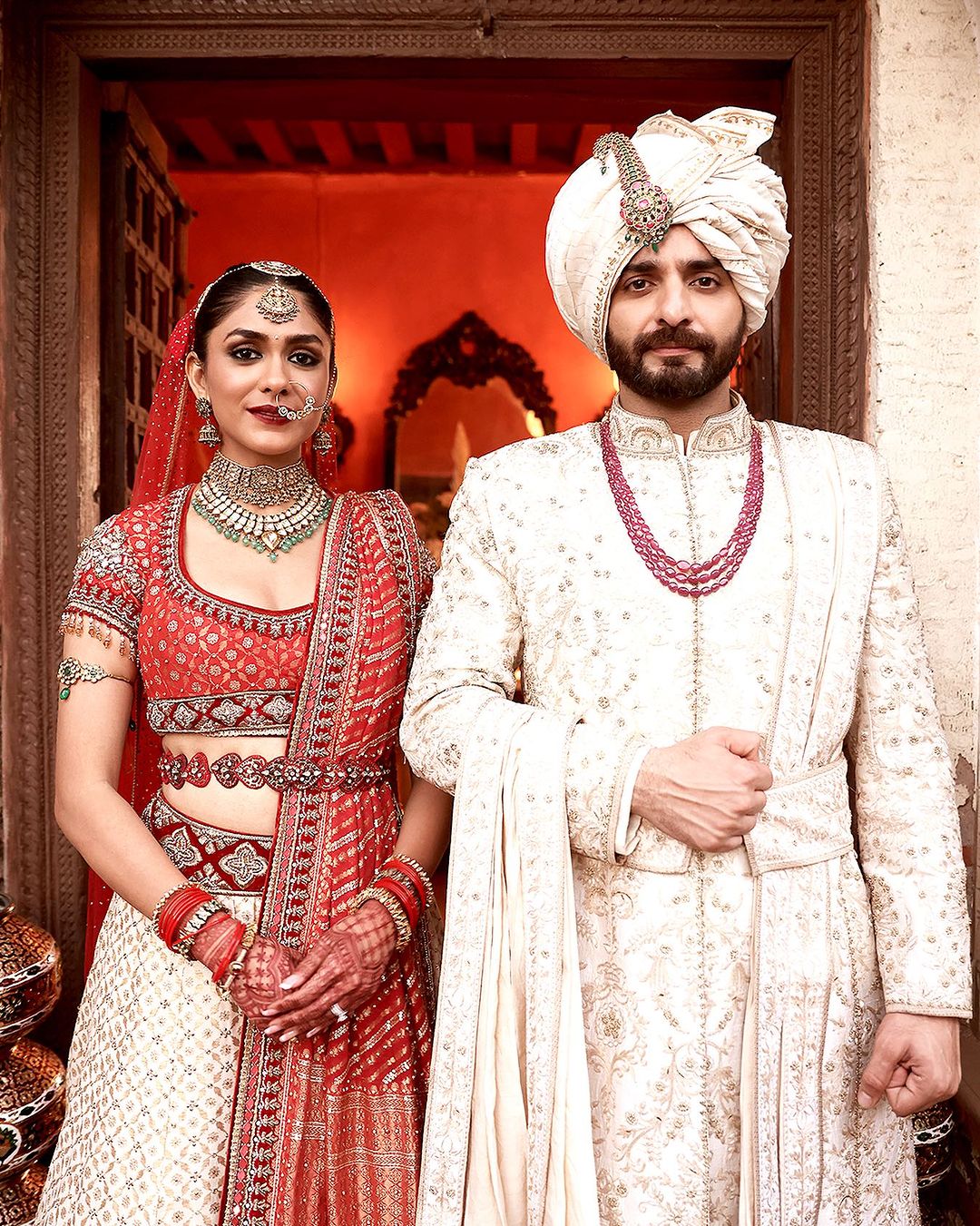
Indian wedding fashion remains one of the most remarkable expressions of culture, identity, craftsmanship and family heritage in the world. Across the country, weddings are not simply occasions for two people to begin a new chapter together; they are elaborate cultural celebrations where generations of traditions are brought to life through clothing, jewellery, colours, textiles, embroidery and carefully preserved methods of dressing. From the luxurious silk sarees of the South to the richly embroidered lehengas of the North, India’s wedding wardrobe tells countless stories of history and regional identity.
In 2026, that heritage continues to hold its ground even as contemporary fashion rapidly changes. Modern Indian brides are experimenting with silhouettes, colours, fabrics and styling techniques, but the desire to preserve the cultural soul of wedding fashion remains remarkably strong. The result is a fascinating balance between the old and the new, with designers and brides finding innovative ways to reinterpret traditional garments without losing the meaning behind them.

According to recent fashion coverage, India’s 2026 wedding season is being shaped by a combination of heritage craftsmanship and modern expression. Designers are increasingly presenting sculptural sarees, heirloom-inspired jewellery and contemporary bridal silhouettes while maintaining the detailed craftsmanship traditionally associated with Indian celebrations.
At the centre of this fashion heritage is the saree, a garment that has been adapted and interpreted differently across India’s many regions. Although the basic concept may appear similar, the fabric, colours, embroidery, motifs and method of draping can completely transform its appearance and cultural meaning.
For a South Indian bride, a richly woven Kanjeevaram silk saree can represent elegance, family tradition and ceremonial significance. In Bengal, the iconic red-and-white saree carries its own distinctive cultural identity, while Maharashtra has its Paithani tradition. Kerala is known for the understated beauty of the white-and-gold Kasavu saree, while Assam’s Mekhela Sador offers another distinctive expression of bridal fashion. These regional differences demonstrate that there is no single definition of what an Indian bride should wear.
Vogue India has previously highlighted the extraordinary regional diversity of Indian wedding attire, noting that bridal clothing differs significantly from one state to another. Kashmiri brides may wear pherans, Gujarati brides have traditional panetar and gharchola sarees, Punjabi brides are associated with lehengas, Assamese brides wear the Mekhela Chador, Maharashtrian brides incorporate Paithani sarees, while Malayali brides traditionally favour the white-and-gold Kasavu saree.
In North India, the lehenga has become one of the most recognisable bridal silhouettes. Characterised by a heavily decorated skirt, blouse and dupatta, the bridal lehenga allows designers to incorporate elaborate embroidery, zari, sequins, beads and traditional motifs. Yet even here, modern brides are increasingly seeking designs that can be worn beyond the wedding day, choosing lighter fabrics, versatile silhouettes and sophisticated embellishment rather than garments that are excessively heavy.
Recent fashion trends show that this change does not necessarily mean abandoning heritage. Instead, designers are finding ways to make traditional craftsmanship more practical and relevant to contemporary women. The 2026 wedding fashion conversation is increasingly focused on meaningful pieces that can become part of a bride’s wardrobe long after the ceremony.
DDM News observes that this movement represents a wider transformation in the way cultural fashion is being preserved. Heritage is no longer necessarily being protected by keeping garments exactly as they were generations ago. In many cases, it is being protected by allowing tradition to evolve while retaining its essential identity.
The importance of textiles in this process cannot be overstated. Indian wedding fashion is deeply connected to the country’s handloom and artisan traditions. Banarasi silk, for instance, is famous for its intricate zari and brocade work and remains closely associated with luxury and ceremonial dressing. Paithani is celebrated for its colourful silk and distinctive motifs, while Jamdani, Zardozi and Chikankari represent other forms of craftsmanship that have continued to influence festive and bridal fashion.
Recent fashion reporting has again drawn attention to these traditional crafts, describing Banarasi, Paithani, Jamdani and Zardozi among the Indian textile traditions that continue to carry an old-world elegance into contemporary fashion.
The story of Indian wedding fashion is therefore also the story of India’s artisans. Behind every intricately woven saree or heavily embroidered bridal outfit are skilled craftspeople whose techniques may have been passed from one generation to another. Their work requires patience, precision and an intimate understanding of traditional patterns.
Handloom fabrics in particular carry a special significance because every piece can reflect the individual work of the artisan. Current coverage of Indian handloom traditions points to the importance of regional techniques, traditional motifs and authenticity marks such as the Handloom Mark and Silk Mark in identifying genuine textile craftsmanship.
Another important part of India’s wedding fashion heritage is colour. Red has traditionally occupied a powerful position in bridal dressing, particularly among Hindu brides, where it is associated with auspiciousness, prosperity, passion and new beginnings. However, contemporary bridal fashion has expanded beyond traditional red to include shades such as pink, maroon, gold, ivory, pastel green, champagne and even modern neutrals.
This expansion does not necessarily weaken tradition. Instead, it demonstrates how cultural fashion can remain alive by responding to changing tastes. A bride may choose a pastel lehenga or a contemporary ivory saree while incorporating traditional embroidery, jewellery or ceremonial elements that connect her appearance to generations before her.
The same principle can be seen in the revival of heritage sarees. Recent fashion coverage has highlighted the continued popularity of Banarasi silk, Kanjeevaram and other traditional sarees while also noting the growing appeal of lightweight organza, tissue and pre-draped sarees. The modern bride increasingly wants elegance without sacrificing comfort or versatility.
The preservation of wedding fashion heritage also extends beyond the bride. Groom’s fashion has evolved considerably, with traditional sherwanis, kurta sets, bandhgalas and regional garments being redesigned for contemporary tastes. Jewellery, footwear, turbans and other accessories similarly provide opportunities to preserve cultural details while introducing modern styling.
Perhaps one of the most interesting developments is the growing appreciation of heirloom fashion. Instead of treating wedding clothing as something that belongs only to one day, many families now preserve important garments and jewellery as treasured pieces that can be passed down to future generations. A saree worn by a mother or grandmother can be restyled by a younger bride, creating a direct visual connection between generations.
That idea of continuity has become especially visible in contemporary celebrity fashion. Recent coverage of actress Dia Mirza, for example, highlighted her ability to wear a silk saree she had owned for a decade while maintaining a fresh and sophisticated appearance. The look demonstrated how high-quality heritage pieces can remain relevant long after they were first purchased.
India’s regional traditions also continue to reveal how diverse wedding fashion can be. In Assam, for example, Muga silk holds a special place in bridal culture. Known as the “golden silk of Assam,” its natural golden-yellow colour, durability and connection to Assamese weaving traditions make it particularly meaningful. The fabric is traditionally used for the Mekhela Sador, reinforcing the relationship between clothing, geography, craftsmanship and identity.
In Manipur, the traditional Potloi bridal costume provides another striking example of cultural individuality. Unlike the more familiar flowing lehenga silhouette, the Potloi features a structured cylindrical skirt traditionally made using materials such as cane or bamboo. Its design is connected to Manipuri cultural and artistic traditions, including the visual language of Ras Lila.
These examples make one thing clear: India’s wedding fashion heritage cannot be reduced to a single dress or style. It is a vast collection of regional identities, craftsmanship, rituals and stories. Each garment represents a different community and carries meanings that go beyond appearance.
DDM News reports that the future of Indian wedding fashion may therefore lie not in choosing between tradition and modernity, but in bringing both together. Young brides are increasingly demonstrating that they can embrace contemporary fashion while remaining deeply connected to their roots. Designers, meanwhile, are showing that traditional textiles and embroidery can be transformed into modern silhouettes without erasing their origins.
Ultimately, upholding India’s wedding fashion heritage means allowing the stories woven into these garments to continue. It means supporting artisans, valuing handloom traditions, preserving regional techniques and encouraging younger generations to understand the meaning behind what they wear.
As India’s wedding industry continues to evolve, the country’s fashion heritage remains remarkably resilient. The saree continues to be reinvented, the lehenga continues to evolve, regional textiles continue to find new audiences, and traditional embroidery continues to appear in contemporary designs.
The fashion may change, but the story remains.
And that is perhaps the true strength of Indian wedding fashion: its ability to honour the past while confidently dressing for the future.




