


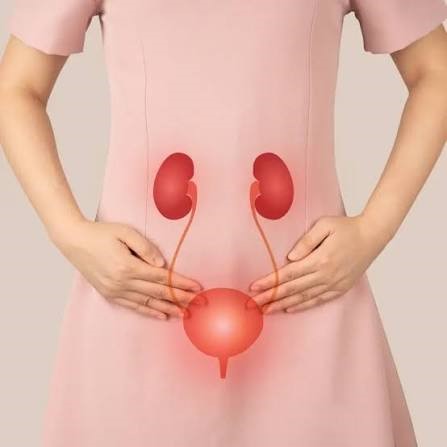
Urinary retention is a condition in which a person is unable to empty the bladder completely or, in some cases, cannot urinate at all. It can develop suddenly, requiring emergency treatment, or gradually over time with worsening symptoms. If left untreated, urinary retention can lead to bladder damage, kidney problems, and serious infections.
Health experts stress that anyone who is unable to pass urine should seek immediate medical attention.
What Is Urinary Retention?
Urinary retention occurs when urine remains in the bladder because it cannot be emptied properly.
There are two main types:

Acute Urinary Retention
This occurs suddenly and is a medical emergency. The bladder becomes painfully full, but little or no urine can be passed.
Chronic Urinary Retention
This develops gradually. People may still urinate, but the bladder does not empty completely, leaving residual urine behind.
What Causes Urinary Retention?
Several conditions can block urine flow or interfere with bladder function.
Common causes include:
- Enlarged prostate (the most common cause in older men).
- Urinary tract infections.
- Kidney or bladder stones.
- Certain medications, including some antihistamines and antidepressants.
- Nerve damage from diabetes, stroke, or spinal cord injury.
- Pelvic organ prolapse in women.
- Narrowing of the urethra (urethral stricture).
- Tumours affecting the urinary tract.
The underlying cause determines the most appropriate treatment.
Symptoms
Symptoms depend on whether the condition is acute or chronic.
Acute Urinary Retention
- Sudden inability to urinate.
- Severe lower abdominal pain.
- Swollen or painful bladder.
- A constant urge to urinate.
Chronic Urinary Retention
- Weak urine stream.
- Difficulty starting urination.
- Frequent urination.
- Feeling that the bladder is not empty after urinating.
- Dribbling urine.
- Waking several times at night to urinate.
- Recurrent urinary tract infections.
Some people may not notice symptoms until complications develop.
Possible Complications
Without treatment, urinary retention can lead to:
- Urinary tract infections.
- Bladder damage.
- Kidney damage.
- Bladder stones.
- Urine leakage (overflow incontinence).
Early treatment greatly reduces the risk of these complications.
How Is Urinary Retention Diagnosed?
Your healthcare provider may recommend:
- A physical examination.
- A review of your symptoms and medical history.
- Urine tests.
- Blood tests to assess kidney function.
- Ultrasound to measure urine remaining in the bladder.
- Cystoscopy to examine the bladder and urethra.
- Urodynamic tests to evaluate bladder function.
These tests help identify the cause of the problem.
Treatment
Treatment depends on the underlying cause.
Catheterisation
For acute urinary retention, a catheter is inserted into the bladder to drain urine immediately and relieve pressure.
Medications
Doctors may prescribe medications to:
- Relax the prostate or bladder muscles.
- Treat urinary tract infections.
- Reduce prostate enlargement.
Surgery
Surgery may be recommended to remove blockages, treat an enlarged prostate, or correct structural abnormalities.
Lifestyle Measures
Depending on the cause, healthcare providers may also recommend:
- Managing constipation.
- Limiting alcohol and excessive caffeine.
- Reviewing medications that may affect bladder function.
When Should You Seek Emergency Care?
Seek immediate medical attention if you:
- Cannot urinate despite a strong urge.
- Develop severe lower abdominal pain.
- Notice blood in your urine.
- Have fever or chills with urinary symptoms.
- Experience sudden swelling or severe discomfort in the lower abdomen.
Acute urinary retention is a medical emergency and should not be treated at home.
The Bottom Line
Urinary retention is a serious condition that prevents the bladder from emptying properly. It may result from an enlarged prostate, infections, nerve problems, medications, or urinary tract blockages. Early diagnosis and treatment are essential to prevent bladder and kidney damage. Anyone who suddenly becomes unable to urinate should seek emergency medical care without delay.
Disclaimer: This article is for informational purposes only and should not replace professional medical advice. If you experience symptoms of urinary retention, consult a qualified healthcare professional immediately for proper evaluation and treatment.




