



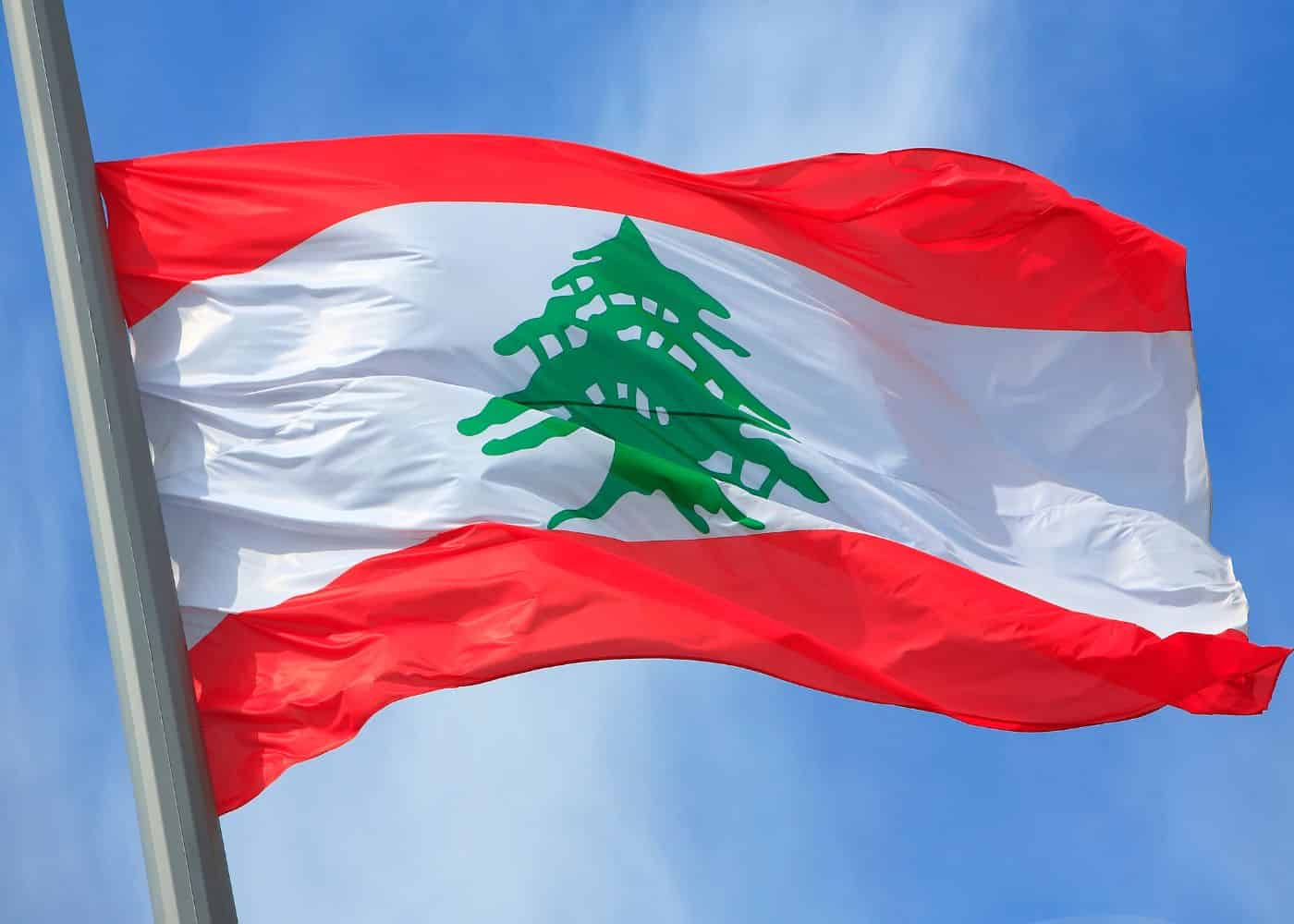
The United States government has imposed sanctions on a group of Lebanese political figures and business associates accused of maintaining ties to Hezbollah and undermining efforts to stabilize Lebanon.
Among those targeted are Sleiman Antoine Frangie, leader of the Lebanese Marada Movement, and Mahmoud Qamati, deputy head of Hezbollah’s political council. The sanctions also extend to members of a business network allegedly overseen by Alaa Hassan Hamieh.
According to the U.S. Treasury Department, the individuals used their political influence and financial connections to obstruct Lebanon’s peace process and delay efforts aimed at disarming Hezbollah.
The move comes as Washington increases pressure on actors it believes are hindering implementation of broader regional peace initiatives following the recent U.S.-Iran agreement.
Announcing the sanctions, U.S. Treasury Secretary Scott Bessent said the United States would continue targeting individuals and entities that help strengthen Hezbollah’s influence inside Lebanon.
“We will hold accountable those who enable the group to undermine the Lebanese state and threaten prospects for lasting peace,” Bessent said.
The sanctions are expected to freeze any U.S.-based assets linked to the designated individuals and restrict their access to the American financial system. Foreign entities that conduct significant business with those sanctioned could also face secondary penalties.
Washington has long classified Hezbollah as a terrorist organization and has repeatedly accused the group of weakening Lebanon’s state institutions through its military and political influence.
The latest action signals that the United States intends to maintain economic pressure on Hezbollah and its allies even as diplomatic efforts continue across the Middle East.
The sanctioned officials have not immediately responded publicly to the allegations. Hezbollah has consistently rejected U.S. accusations and argues that its armed wing is necessary to defend Lebanon against external threats.
The sanctions come at a sensitive moment for Lebanon, where uncertainty remains over the future of Hezbollah’s military role and the implementation of ceasefire arrangements linked to the wider regional peace process.




