



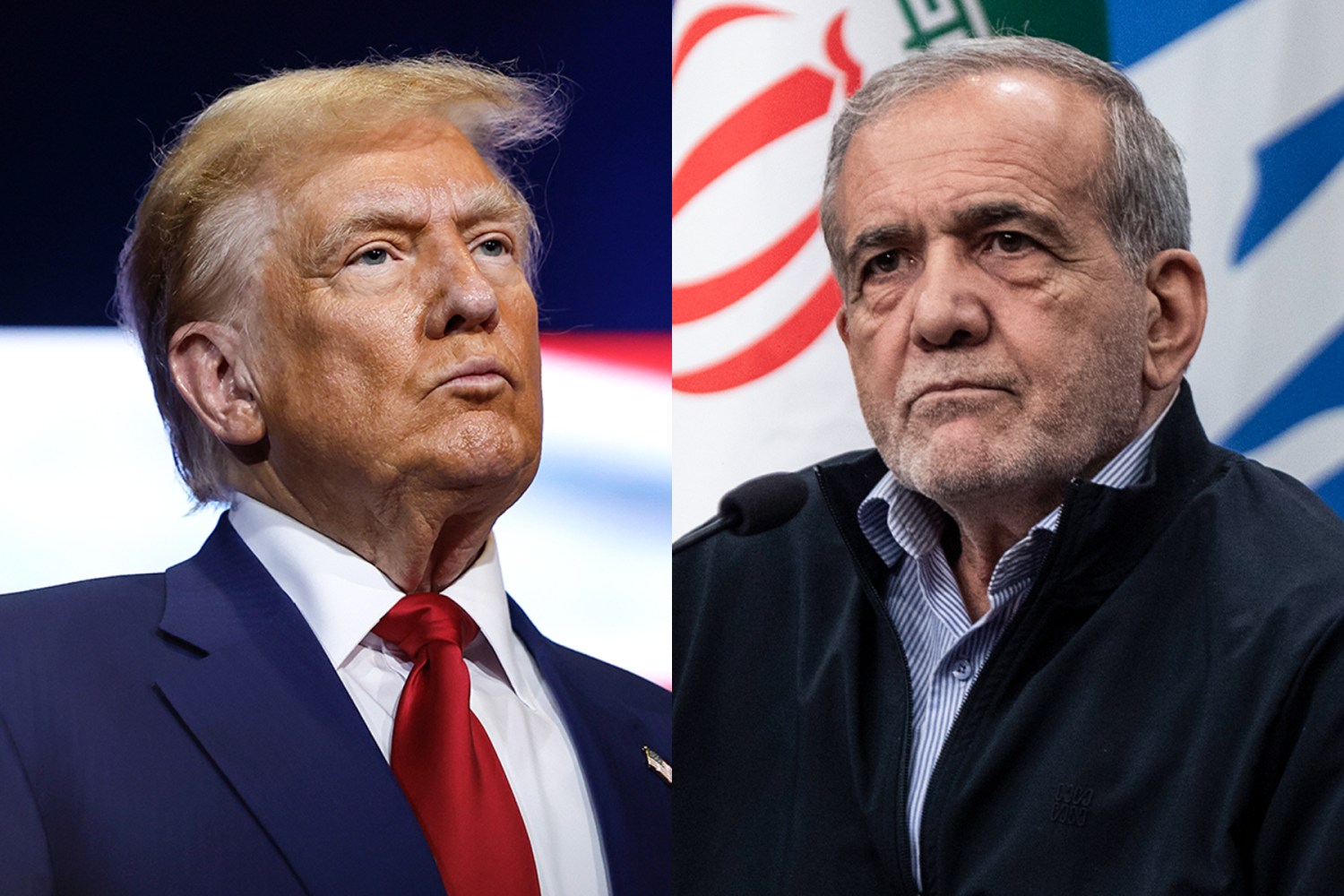
Talks between the United States and Iran are set to begin in Switzerland on Sunday, as both sides seek to build on a preliminary agreement reached earlier this month to end the Middle East conflict.
The negotiations come amid renewed tensions in Lebanon, where clashes between Israeli forces and Hezbollah fighters have raised concerns about the future of the fragile deal.
US Vice President JD Vance arrived at the Swiss resort town of Burgenstock on Sunday morning to join the discussions. It marks his second meeting with Iranian negotiators since the conflict erupted earlier this year, destabilising the region and rattling global markets.
Speaking before his departure from Joint Base Andrews, Vance said Washington hopes to make progress on two key issues.

“We’re hoping to move forward on the nuclear issue and the Lebanon ceasefire. Those are the main areas of focus,” he told reporters.
The Swiss Foreign Ministry confirmed that delegations from the United States and Iran, along with mediators from Pakistan and Qatar, are in attendance.
The talks are expected to launch a two-month negotiating process aimed at reaching a broader agreement covering Iran’s nuclear programme, sanctions relief and other unresolved issues.
Despite the diplomatic efforts, doubts remain in Tehran.
Mohsen Rezaei, a senior military adviser to Supreme Leader Ayatollah Mojtaba Khamenei, warned against placing too much trust in Washington.
“The enemy has shown itself to be a promise-breaker. Any optimism will be exploited,” he wrote on X.
An Iranian delegation led by Foreign Minister Abbas Araghchi and senior negotiator Mohammad Bagher Ghalibaf arrived in Switzerland on Saturday. Foreign Ministry spokesman Esmaeil Baqaei said Iran would insist on full implementation of commitments already made under the agreement.
“If the other side fails to honour its obligations, the entire understanding will be jeopardised,” he said.
Pakistan confirmed that Prime Minister Shehbaz Sharif and Army Chief Asim Munir would participate in the mediation effort alongside Qatari officials.
Meanwhile, US envoys Jared Kushner and Steve Witkoff have already been holding preliminary discussions in Switzerland. Vance told Fox News that reports from the team indicated the process was moving in a positive direction.
The talks were originally scheduled to begin on Friday but were delayed after Israel launched fresh strikes in Lebanon following the deaths of four Israeli soldiers.
Although Washington later announced a renewed ceasefire between Israel and Hezbollah, fighting resumed on Saturday, with both sides accusing each other of violating the truce.
In response, Iran accused the United States of failing to uphold the terms of the agreement and cited continued Israeli military actions in southern Lebanon as justification for closing the Strait of Hormuz once again.
The strategic waterway, through which a significant portion of the world’s oil and gas shipments passes, has remained a major source of concern for global energy markets since the conflict began.
However, US Central Command said navigation through the strait remained unaffected despite Iran’s announcement.
In Lebanon, the ceasefire appeared increasingly fragile.
An Israeli soldier was killed in combat on Saturday, bringing to five the number of Israeli military deaths reported since the US-Iran agreement was signed.
An Israeli military official later said troops had been ordered to halt offensive operations and would only act defensively within a designated security zone.
Hezbollah, however, accused Israeli forces of attempting to infiltrate the Ali Taher hills area under the cover of the ceasefire.
Lebanese state media reported Israeli airstrikes on about 20 locations, while authorities said more than 30 people were killed. The country’s health ministry put the overall death toll from the conflict at over 4,000.
The conflict expanded in March when Hezbollah launched rockets into Israel following the killing of Iran’s supreme leader in joint US-Israeli strikes.
A previous ceasefire announced in April failed to hold, with both sides repeatedly accusing each other of breaching the agreement.




