


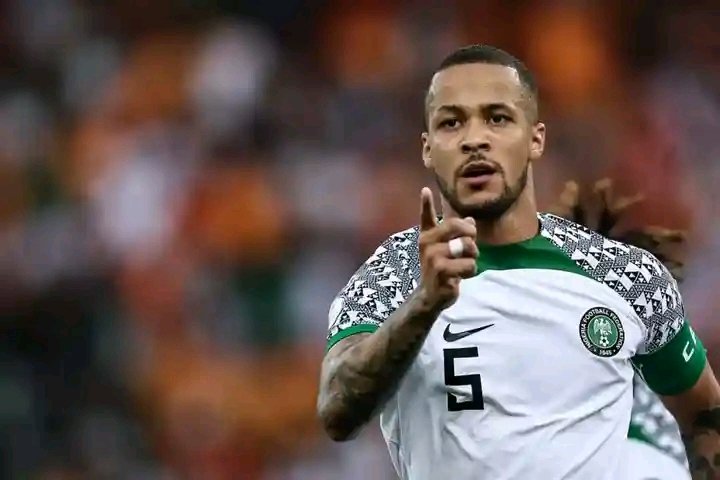
Former Super Eagles captain William Troost Ekong has drawn widespread attention after expressing confidence that Ghana could emerge as one of the surprise teams at the 2026 FIFA World Cup. His remarks have sparked discussion across African football circles, particularly given the historic rivalry between Nigeria and Ghana and the growing competitiveness of African nations on the global stage.
The comments attributed to the experienced Nigerian defender come at a time when African teams are increasingly being recognized for their tactical discipline, physical strength, and improved performances against traditional football powerhouses. Ghana, also known as the Black Stars, are seen by many analysts as a team in transition, blending youthful talent with experienced international players who compete in top European leagues.
Troost Ekong’s observation highlights a broader shift in perception about African football, where former players and analysts now regularly acknowledge that multiple teams from the continent have the capacity to compete deep into major tournaments. His endorsement of Ghana reflects not only respect for their current squad but also an understanding of their historical ability to rise on the biggest stage.
Ghana’s football identity has long been associated with resilience, technical ability, and strong tournament performances. Their most notable achievement remains the 2010 FIFA World Cup, where they reached the quarterfinals and came within minutes of becoming the first African nation to reach the semifinals. That legacy continues to influence expectations, as the current generation attempts to replicate and surpass those achievements.
The present Ghana squad features a number of players who have established themselves in elite European leagues. These include individuals competing in the English Premier League, Bundesliga, Serie A, and Ligue 1. This international exposure has contributed to a more balanced and tactically aware team, capable of adapting to different styles of opposition. Their attacking transitions have improved, while defensive organization has become more structured compared to previous tournament cycles.
Troost Ekong’s football journey gives weight to his perspective. Born in the Netherlands to a Nigerian father, he developed through European football systems before committing his international future to Nigeria. Over the years, he has become one of the most experienced defenders in African football, representing the Super Eagles in major tournaments including the Africa Cup of Nations and World Cup qualifying campaigns.
His club career has taken him across multiple European leagues, including spells in the Netherlands, Belgium, Italy, and England. These experiences exposed him to diverse tactical systems and high level competition, shaping his understanding of international football dynamics. His leadership qualities eventually earned him the role of captain of the Nigerian national team, where he has been a central figure both on and off the pitch.
Currently continuing his professional career abroad, Troost Ekong remains an influential voice in African football discussions. His comments about Ghana are therefore viewed as informed analysis rather than casual opinion, especially given his exposure to multiple football environments and his experience competing at the highest level.
The rivalry between Nigeria and Ghana is one of the most intense in African football history. Matches between the two nations are often highly competitive, emotionally charged, and closely followed across the continent. This historical backdrop adds significance to Troost Ekong’s praise of Ghana, as it reflects professional respect that goes beyond rivalry narratives.
Ghana’s current football project is built on rebuilding and consistency. After periods of inconsistency in major tournaments, the team has focused on integrating young players with experienced leaders. This approach aims to restore the balance that once made them one of Africa’s strongest football nations. Their qualification campaigns have shown signs of progress, with improved defensive structure and more efficient attacking play.
Football analysts believe Ghana’s chances at the World Cup will depend heavily on squad cohesion, game management, and their ability to convert chances in tight matches. While they may not be ranked among the top favorites, their potential to disrupt stronger teams makes them a candidate for surprise performances.
Troost Ekong’s endorsement aligns with a growing sentiment that African teams are closing the gap with traditional football giants. In recent international tournaments, nations such as Morocco and Senegal have demonstrated that deep runs are achievable, with structured systems and disciplined tactical execution. Ghana, with its football heritage and emerging talent pool, is seen as another team capable of following that trajectory.
The psychological aspect of international tournaments also plays a key role in determining success. Ghana’s past experiences on the World Cup stage provide both motivation and pressure. Managing expectations while maintaining confidence will be essential as they face high caliber opposition in the group stages and beyond.
Beyond tactics and squad quality, Ghana’s football culture remains one of passion and strong national support. This emotional backing often translates into spirited performances, particularly in high stakes matches. If the team can combine this energy with tactical discipline, they could become one of the standout African teams in the tournament.
Troost Ekong’s remarks ultimately add to the growing narrative that African football is entering a new era of competitiveness. His recognition of Ghana’s potential reinforces the idea that success in modern football is no longer limited to traditional powerhouses. Instead, well organized teams with talent, discipline, and belief can challenge and defeat any opponent.
As the 2026 World Cup progresses, attention will remain fixed on whether Ghana can validate this confidence on the pitch. Their performances will be closely analyzed not only by supporters but also by former players like Troost Ekong who understand the demands of international competition at the highest level.
Regardless of the outcome, the conversation sparked by his comments reflects a broader respect for African football development and the increasing unpredictability of global tournaments.




