


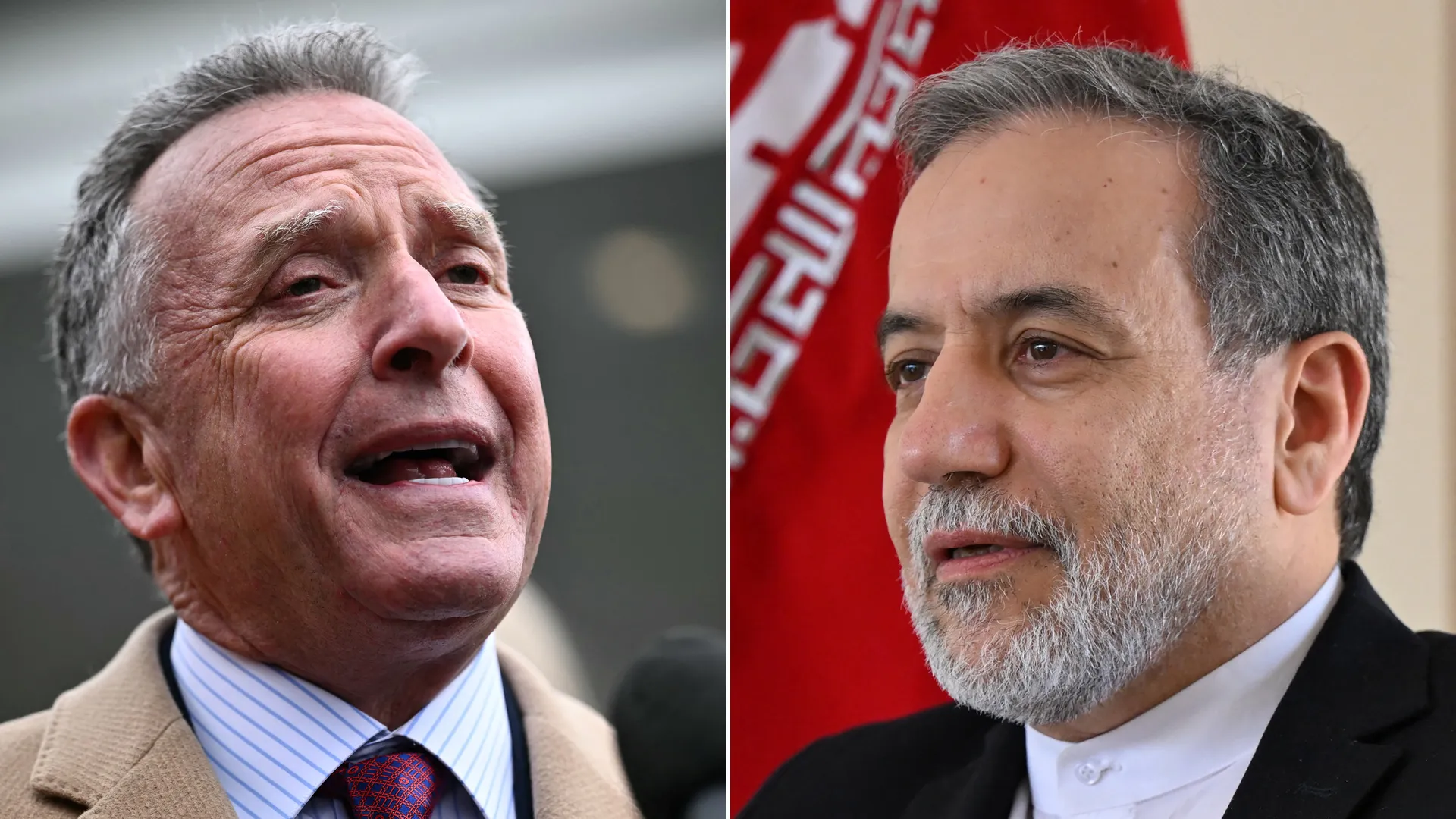
Tensions between the United States and Iran are rising again, and the fragile ceasefire between both sides now looks increasingly uncertain.
The situation escalated after the U.S. intercepted and seized an Iranian cargo ship that allegedly tried to break through its naval blockade.
In response, Iran has pushed back hard, warning that it will retaliate and, for now, has no intention of returning to the negotiating table.
Iran’s foreign ministry spokesman, Esmaeil Baghaei, made it clear that Tehran doesn’t see Washington as genuinely committed to diplomacy.

According to him, the U.S. is making demands that Iran considers unrealistic, while continuing actions like the blockade that undermine any chance of meaningful talks.
The U.S. had hoped to restart negotiations in Pakistan just days before the current two-week ceasefire expires.
Preparations are already underway in Islamabad, with heavy security in place. But Iran’s position hasn’t changed: as long as the blockade remains, talks are off the table.
Behind the scenes, even mediators are growing concerned. Pakistan’s army chief, Asim Munir, reportedly told U.S. President Donald Trump that the blockade itself is a major obstacle to progress.
Trump, according to sources, said he would consider the concern but there’s been no sign of a shift yet.
Meanwhile, the military standoff is intensifying.
The U.S. says its forces disabled the Iranian ship after a prolonged confrontation at sea, with Marines boarding the vessel afterward.
Iran, however, has described the incident as “armed piracy,” accusing Washington of outright aggression.
Iranian officials have warned they are ready to respond, though they noted the presence of civilians on the ship limited their immediate options.
The wider impact is already being felt globally. Oil prices have jumped, and financial markets are showing signs of nervousness, largely because of fears that the ceasefire could collapse entirely.
A major concern remains the Strait of Hormuz, a critical passage that handles roughly one-fifth of the world’s oil supply.
Any prolonged disruption there could have serious consequences for the global economy.
For now, both sides appear stuck.
Iran insists its military capabilities, especially its missile programme, are non-negotiable.
The U.S., on the other hand, continues to apply pressure through sanctions and military positioning, while also pushing for a quick deal.
As the ceasefire deadline approaches, the uncertainty is growing. Talks may still happen—but right now, it’s just as likely they won’t.
And if neither side backs down, the situation could spiral far beyond diplomacy.




