


Most people begin their day by using the bathroom and moving on without giving it a second thought. However, health experts say that your first urine of the morning can offer valuable insights into your overall well-being.
Urine reflects how the body processes waste and maintains fluid balance, making its appearance an important indicator of various health conditions. Changes in color, clarity, smell, or texture may provide early warning signs that should not be overlooked.
Clear or Pale Yellow Urine
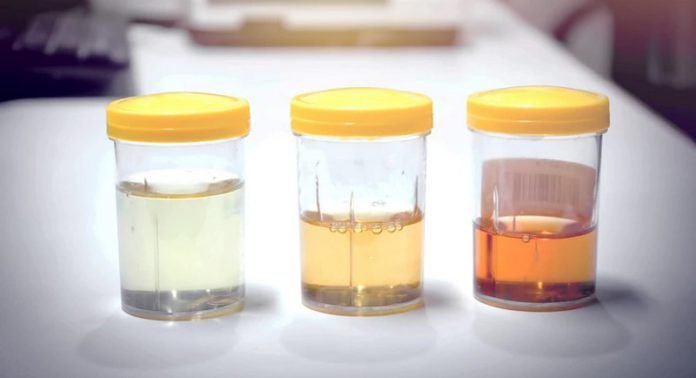
Urine that appears clear or light yellow is generally considered a sign of good hydration. It often indicates that the kidneys are functioning properly and effectively removing waste from the body.

Dark Yellow Urine
A deeper yellow color may suggest mild dehydration. When the body lacks sufficient fluids, urine becomes more concentrated, resulting in a darker appearance.
Orange Urine
Orange-colored urine can sometimes be linked to dehydration. However, if the color persists despite adequate fluid intake, it may signal an underlying issue involving the liver or bile ducts and should be evaluated by a healthcare professional.
Brown or Tea-Colored Urine
Brown urine may be associated with more serious health concerns, including liver disorders, kidney problems, or muscle tissue breakdown. Persistent discoloration warrants medical attention.
Cloudy Urine
Cloudy urine can indicate the presence of infection, inflammation, or excess white blood cells in the urinary tract. In some cases, it may appear before other symptoms become noticeable.
Pink or Red Urine
Urine that appears pink or red may sometimes result from certain foods, such as beetroot. However, unexplained discoloration could indicate blood in the urine and should be investigated promptly by a medical professional.
Foamy Urine
Occasional foam in urine is usually harmless, but persistent foamy urine may suggest the presence of excess protein. This can be an early sign of kidney-related problems and should not be ignored.
Changes in Urine Odor
The smell of urine can also provide useful clues. A strong ammonia-like odor is often linked to dehydration, while an unusually sweet smell may be associated with elevated blood sugar levels and conditions such as diabetes.
Paying Attention to Early Warning Signs
Many health conditions develop gradually and may not produce obvious symptoms in their early stages. Monitoring changes in urine can help individuals recognize potential concerns and seek medical advice sooner.
While urine characteristics can offer helpful information, they cannot be used to diagnose a medical condition on their own. Anyone experiencing persistent changes in urine color, odor, or appearance should consult a qualified healthcare professional for proper evaluation and treatment.




