


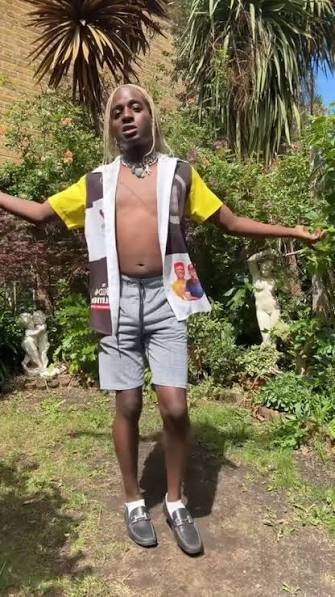
Ozonna Soludo, son of Anambra State Governor Charles Soludo, has come under intense social media scrutiny following the circulation of his shirtless dance videos on TikTok.
The clips, which show the young man dancing confidently, have sparked mixed reactions online, with some critics describing them as provocative or “effeminate.” Others went as far as questioning his upbringing, blaming parenting and cultural exposure abroad.
However, Nigerian-Canadian commentator Doctor Zo has pushed back against the criticism, defending Ozonna and challenging the narrative surrounding the backlash.
“This is what I have to say about this whole thing and Governor Soludo, if you watch this video, I know what you’re going through,” he said in a viral reaction.

Doctor Zo highlighted the realities of raising children in the diaspora, noting that many African parents abroad cannot rely on traditional disciplinary methods, such as corporal punishment, which often shape behavior back home.
He also questioned critics directly, asking what exactly was wrong with the videos, suggesting that much of the outrage may be rooted in personal bias rather than any real misconduct.
The situation has since ignited a broader conversation about generational differences, personal freedom, and societal expectations—especially for children of public figures.
While some Nigerians insist that public officials’ families should uphold certain cultural standards, others argue that young people, particularly those raised abroad, should be free to express themselves without excessive judgment.
As the debate continues, Ozonna’s videos have become more than just social media content they now sit at the center of an ongoing clash between tradition and modern identity.




