


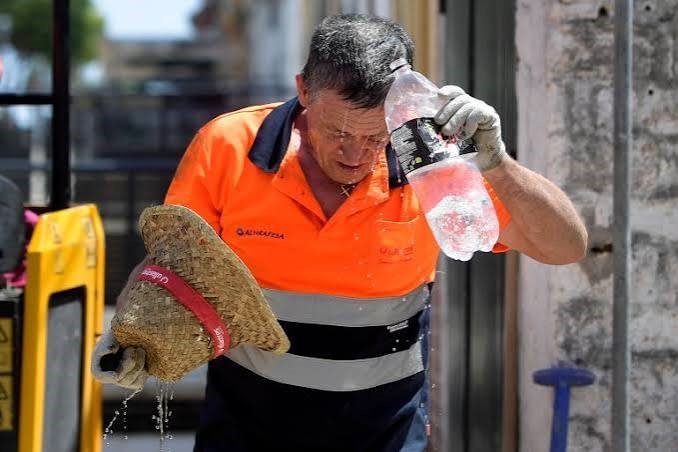
The World Health Organization (WHO) has warned that increasingly frequent and intense heatwaves are becoming a major public health concern, putting millions of people at greater risk of heat-related illnesses and deaths.
The agency said extreme heat is now one of the deadliest weather-related hazards globally, with older adults, young children, pregnant women, outdoor workers, and people with chronic medical conditions among the most vulnerable.
Health experts are urging governments to strengthen early warning systems and public awareness campaigns as many regions continue to experience unusually high temperatures.
Rising Temperatures Increase Health Risks
According to the WHO, prolonged exposure to extreme heat can cause serious health problems, including:

- Heat exhaustion
- Heatstroke
- Dehydration
- Kidney complications
- Worsening of heart and lung diseases
Medical experts warn that severe heatstroke is a medical emergency that requires immediate treatment.
Who Is Most at Risk?
The WHO says certain groups face a higher risk during heatwaves, including:
- Adults aged 65 years and above
- Infants and young children
- Pregnant women
- People with heart disease, diabetes, or respiratory illnesses
- Outdoor workers such as farmers and construction workers
People living in densely populated urban areas may also face increased risks because buildings and roads absorb and retain heat.
Tips to Stay Safe During Extreme Heat
Health authorities recommend the following precautions:
- Drink plenty of water, even if you do not feel thirsty.
- Avoid strenuous outdoor activities during the hottest part of the day.
- Wear lightweight, loose-fitting clothing.
- Stay in cool or shaded areas whenever possible.
- Check regularly on elderly relatives, neighbours, and people with existing health conditions.
- Never leave children or pets inside parked vehicles.
Governments Urged to Prepare
The WHO is encouraging governments to improve heat action plans, strengthen healthcare preparedness, and expand public education campaigns to reduce heat-related illnesses.
The agency also recommends better urban planning, including increased green spaces and improved access to cooling centres during periods of extreme heat.
Looking Ahead
As climate-related extreme weather events become more common, health experts say communities must adapt to protect vulnerable populations.
The WHO believes that early preparation, public awareness, and coordinated health responses can significantly reduce illnesses and deaths linked to extreme heat.




