


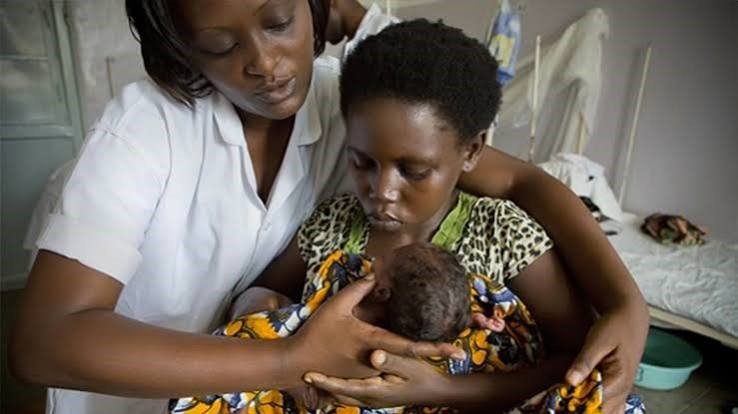
Global childhood immunisation coverage recorded a modest improvement in 2025, according to a new joint report released by the World Health Organization (WHO) and UNICEF. However, both organisations warned that armed conflicts, humanitarian crises, vaccine hesitancy, and unequal access to healthcare continue to leave millions of children vulnerable to preventable diseases.
Immunisation Coverage Shows Progress
The report found that routine childhood vaccination rates have continued to recover following disruptions experienced during the COVID-19 pandemic.
Health officials say the increase means more children are now receiving protection against life-threatening diseases such as measles, polio, diphtheria, tetanus, and whooping cough.
Despite the progress, WHO and UNICEF stressed that vaccination coverage remains below the level needed to prevent outbreaks in many countries.

Millions of Children Still Miss Vaccines
According to the report, millions of children worldwide either missed one or more recommended vaccine doses or received no routine immunisations at all.
The agencies said children living in conflict-affected areas, remote communities, and low-income countries remain the most likely to miss essential vaccines because of disrupted health services and limited access to healthcare.
WHO Calls for Greater Investment
WHO and UNICEF are urging governments to strengthen national immunisation programmes by investing in healthcare workers, vaccine supply chains, disease surveillance, and community education.
The organisations also called for renewed efforts to address misinformation about vaccines and improve public confidence in immunisation programmes.
Vaccination Saves Millions of Lives
Health experts describe vaccination as one of the most effective public health interventions ever developed.
Routine immunisation helps protect children from diseases that can lead to severe illness, disability, or death, while also reducing the spread of infectious diseases within communities.
Looking Ahead
WHO and UNICEF say continued collaboration between governments, international partners, and healthcare providers will be essential to reaching children who remain unvaccinated.
The agencies emphasised that expanding access to routine immunisation services will play a vital role in reducing childhood illness and preventing future disease outbreaks worldwide.




