


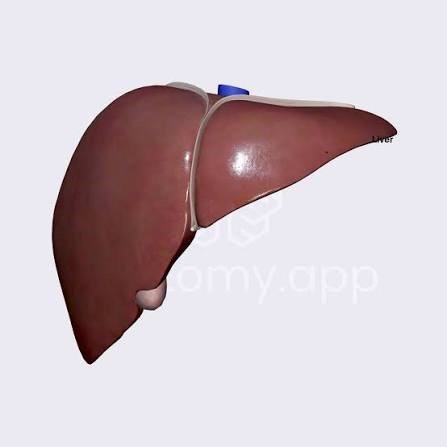
The liver is one of the body’s most important organs, carrying out hundreds of essential functions every day. It helps remove toxins from the blood, processes nutrients, stores energy, produces bile for digestion, and supports the immune system.
Because the liver can continue working even when damaged, liver disease often develops silently. Health experts say recognizing early warning signs and seeking prompt medical care can help prevent serious complications.
1. Persistent Fatigue
Feeling unusually tired despite getting enough rest may be one of the earliest signs of liver problems. Reduced liver function can affect the body’s ability to process nutrients and remove waste, leading to ongoing fatigue.
2. Yellowing of the Skin or Eyes
Yellowing of the skin and the whites of the eyes, known as jaundice, occurs when the liver is unable to properly remove bilirubin, a yellow pigment produced during the breakdown of red blood cells. Jaundice requires immediate medical evaluation.

3. Dark-Colored Urine
Urine that appears dark brown or amber, despite drinking enough water, may indicate elevated bilirubin levels or other liver-related problems.
4. Pale or Clay-Colored Stools
Healthy bile gives stool its normal brown color. Pale, gray, or clay-colored stools may suggest that bile is not reaching the intestines properly, which can be a sign of liver or bile duct disease.
5. Swelling in the Abdomen or Legs
Poor liver function can cause fluid to accumulate in the abdomen, a condition known as ascites, or lead to swelling in the legs and ankles. Persistent swelling should be assessed by a healthcare professional.
6. Persistent Itchy Skin
Unexplained itching without an obvious rash may occur when bile salts build up beneath the skin due to liver disease. The itching may become more noticeable at night.
7. Loss of Appetite
A sudden decrease in appetite, especially when accompanied by nausea or weight loss, can be associated with liver disorders and should not be ignored.
8. Easy Bruising or Bleeding
The liver produces proteins that help blood clot. When liver function declines, the body may bruise more easily or experience prolonged bleeding from minor cuts.
9. Pain or Discomfort in the Upper Right Abdomen
Pain, tenderness, or a feeling of fullness beneath the right side of the rib cage may indicate inflammation or enlargement of the liver.
10. Unexplained Weight Loss
Losing weight without changes to diet or physical activity may be linked to several medical conditions, including liver disease. Persistent weight loss should always be evaluated by a healthcare provider.
How to Protect Your Liver
Health experts recommend several lifestyle habits to support liver health, including:
- Eat a balanced diet rich in fruits, vegetables, whole grains, and lean protein.
- Limit alcohol consumption.
- Maintain a healthy body weight.
- Exercise regularly.
- Avoid smoking.
- Use medications only as directed.
- Get vaccinated against hepatitis when recommended.
- Attend routine medical check-ups, especially if you have diabetes, obesity, or a family history of liver disease.
When to See a Doctor
Many liver conditions are treatable when detected early. Anyone experiencing persistent jaundice, abdominal swelling, severe fatigue, unexplained weight loss, or other ongoing symptoms should seek prompt medical evaluation.
Early diagnosis, healthy lifestyle choices, and regular health screenings remain the most effective ways to protect liver health and prevent long-term complications.
Disclaimer: This article is for informational purposes only and should not replace professional medical advice. If you notice persistent symptoms or have concerns about your liver health, consult a qualified healthcare professional for proper diagnosis and treatment.




