


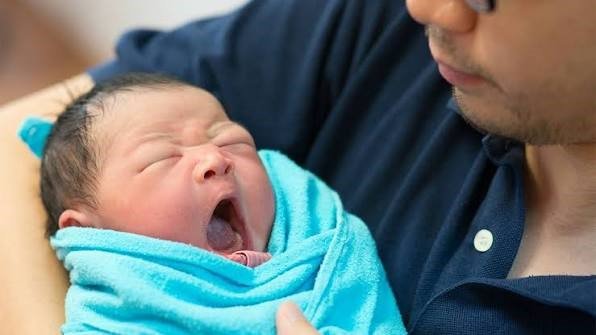
The first few weeks after birth are a critical period for a newborn’s health. While many babies experience normal changes as they adjust to life outside the womb, certain symptoms may indicate a serious medical condition that requires urgent care.
Health experts advise parents and caregivers to seek immediate medical attention if a newborn develops any unusual or concerning symptoms, as early treatment can prevent life-threatening complications.
1. Difficulty Breathing
A newborn who is breathing rapidly, struggling to breathe, making grunting sounds, or showing chest retractions where the skin pulls inward between the ribs during breathing should be taken to a healthcare facility immediately.
Breathing problems can be caused by infections, lung conditions, or other serious medical emergencies.

2. High or Low Body Temperature
A fever in a newborn should never be ignored. Likewise, a body temperature that is unusually low may also signal a serious infection or other medical problem.
Parents should seek medical attention if a newborn develops an abnormal temperature, especially during the first month of life.
3. Refusing to Feed
Newborns should feed regularly throughout the day. A baby who suddenly refuses to breastfeed or take formula, feeds poorly, or becomes too weak to suck may need urgent medical evaluation.
Poor feeding can quickly lead to dehydration and may be a sign of illness.
4. Yellowing of the Skin or Eyes
Mild jaundice is common in newborns, but severe or rapidly worsening yellowing of the skin and the whites of the eyes should be assessed promptly.
Untreated severe jaundice can lead to serious complications affecting the brain.
5. Extreme Sleepiness or Difficulty Waking
Newborns sleep for many hours each day, but they should wake regularly for feeds. A baby who is unusually difficult to wake, remains very sleepy, or does not respond normally may require emergency medical care.
6. Persistent Vomiting
Occasional spit-up after feeding is common. However, repeated forceful vomiting, green vomit, or vomiting accompanied by poor feeding or lethargy should be evaluated immediately.
7. Blue or Pale Skin
Bluish lips, tongue, or skin may indicate that the baby is not getting enough oxygen. Pale or grey skin may also be a sign of poor circulation or serious illness.
These symptoms require emergency medical attention.
8. Fewer Wet Diapers
A healthy newborn should produce several wet diapers each day after the first few days of life. A noticeable decrease in urination may indicate dehydration or an underlying medical condition.
9. Seizures or Unusual Body Movements
Jerking movements, stiffening of the body, repeated twitching, or episodes where the baby becomes unresponsive may be signs of seizures or neurological problems.
Parents should seek emergency medical care immediately if these symptoms occur.
10. Signs of Infection Around the Umbilical Cord
The umbilical cord stump should gradually dry and fall off. Redness spreading around the stump, swelling, pus, foul-smelling discharge, or bleeding may indicate an infection that requires prompt treatment.
How Parents Can Help Protect Their Newborn
Health experts recommend:
- Attending all newborn check-ups.
- Keeping the baby’s vaccinations up to date.
- Practising good hand hygiene before handling the baby.
- Ensuring the baby feeds regularly.
- Following safe sleep recommendations.
- Contacting a healthcare provider whenever there are concerns about the baby’s health.
The Bottom Line
Newborns can become seriously ill very quickly, and some symptoms should never be ignored. Difficulty breathing, poor feeding, fever, unusual sleepiness, persistent vomiting, blue skin, seizures, and signs of infection require immediate medical attention. Early diagnosis and treatment can significantly improve a newborn’s chances of a full recovery.
Disclaimer: This article is for informational purposes only and should not replace professional medical advice. If a newborn develops any warning signs or appears seriously ill, parents or caregivers should seek immediate care from a qualified healthcare professional or visit the nearest emergency healthcare facility.




