


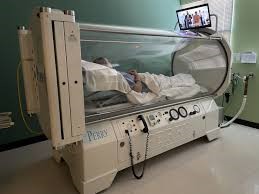
Hyperbaric oxygen therapy (HBOT) is gaining attention in medical research for its potential role in supporting brain health. The treatment involves breathing pure oxygen inside a pressurized chamber, allowing the body and especially the brain to absorb significantly higher levels of oxygen than normal.
Originally used for conditions such as decompression sickness and carbon monoxide poisoning, HBOT is now being explored for its possible benefits in cognitive performance, brain injury recovery, and neurological health.
What happens during treatment
In a hyperbaric oxygen session, patients lie comfortably inside a sealed chamber where air pressure is increased beyond normal atmospheric levels. This allows oxygen to dissolve more efficiently into the bloodstream and reach tissues that may have limited oxygen supply.
Sessions typically last between 60 and 90 minutes, and multiple treatments are often required depending on the condition being addressed. HBOT is offered in hospitals, specialized clinics, and medical wellness centers.

1. Supporting recovery from brain injuries
One of the most studied uses of HBOT is in the recovery process after traumatic brain injuries. Increased oxygen delivery may help reduce inflammation and support healing in damaged brain tissue.
Some research suggests that HBOT may assist in restoring function by improving blood flow to affected areas and encouraging tissue repair. Patients recovering from concussions or head injuries have reported improvements in symptoms such as memory difficulties, headaches, and trouble concentrating, although results vary.
2. Enhancing cognitive performance
HBOT is also being studied for its potential to improve general brain function, even outside of injury recovery. The increased oxygen supply may support mental clarity, focus, and memory.
Early research indicates that individuals who undergo multiple sessions may experience improvements in attention, processing speed, and executive function. While findings are still preliminary, they suggest possible benefits for age-related cognitive decline and overall brain performance.
3. Supporting stroke rehabilitation
Stroke recovery often involves rebuilding brain function after reduced blood flow damages certain regions. HBOT is being explored as a complementary therapy to support this process.
By increasing oxygen availability in affected areas, the therapy may help stimulate underactive brain cells and support neurological recovery. Some rehabilitation programs combine HBOT with physical, speech, and occupational therapy to enhance overall outcomes.
4. Reducing brain inflammation
Chronic inflammation in the brain has been linked to several neurological and cognitive conditions. HBOT may help lower inflammation by influencing cellular processes involved in immune response and tissue repair.
Researchers believe the therapy may help regulate inflammatory pathways, which could have implications for conditions such as chronic headaches, cognitive decline, and other neurological disorders. However, more studies are needed to fully understand its long-term effects.
5. Promoting neuroplasticity and brain repair
One of the most promising areas of research is HBOT’s potential effect on neuroplasticity the brain’s ability to reorganize and form new neural connections.
Some studies suggest that increased oxygen exposure may stimulate the release of growth factors that support neuron health and encourage the development of new brain cells in certain regions. This could play a role in learning, recovery, and long-term cognitive resilience.
Important considerations
Despite its potential, hyperbaric oxygen therapy is not suitable for everyone. Individuals with certain medical conditions, such as specific lung disorders or severe claustrophobia, may not tolerate the treatment. In addition, the cost can be high, and insurance coverage varies depending on the diagnosis.
A growing area of research
While still being studied, HBOT represents an emerging approach in brain health science. Researchers continue to explore how increased oxygen delivery may support healing, cognitive function, and neurological recovery.
As evidence develops, hyperbaric oxygen therapy remains a promising but still carefully evaluated option in the expanding field of brain health treatment.




