


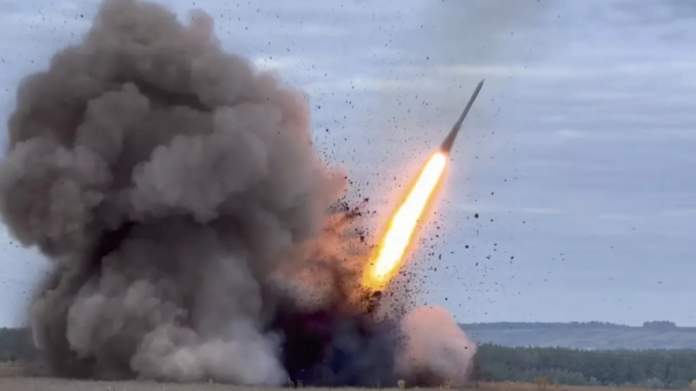
(DDM) – The ongoing conflict involving the United States, Israel, and Iran has entered its 21st day, with global attention fixed on rising oil prices, shifting military strategies, and urgent diplomatic efforts to prevent further escalation. The war, now in its third week, continues to reshape geopolitical and economic dynamics across the Middle East and beyond.
One of the most significant developments is Israel’s indication that it will refrain from launching additional strikes on major Iranian energy infrastructure. Analysts say this move could be aimed at easing pressure on global markets, which have already reacted sharply to earlier attacks on oil and gas facilities. Energy prices have surged in recent days, reflecting fears of supply disruptions in a region critical to global النفط exports.
At the same time, Iran has intensified retaliatory actions, including strikes targeting interests linked to Gulf nations. These developments have heightened anxiety among neighboring countries, many of which rely heavily on stable energy flows through the Strait of Hormuz. The strategic waterway, which handles a significant portion of the world’s oil shipments, remains under threat amid ongoing military activity.
International efforts to stabilize the situation are gaining momentum. The United Nations, alongside several global powers, is actively working to ensure the reopening and security of the Strait of Hormuz. Diplomatic channels have been engaged to prevent further disruption, with calls for de-escalation coming from both Western and regional leaders.

Arab and Islamic nations have also weighed in, urging Iran to halt its attacks and prioritize dialogue over confrontation. These appeals reflect growing concern that the conflict could spiral into a broader regional war if not carefully managed. Experts warn that continued escalation risks drawing in additional actors and complicating already fragile alliances.
Meanwhile, Donald Trump has drawn attention for his remarks during a recent summit with Japan’s leadership. The US president downplayed the financial cost of the war effort, suggesting that economic concerns should not overshadow strategic objectives. His comments, including a controversial reference to the Pearl Harbor attack, have sparked debate about leadership tone during times of conflict.
Military analysts note that while the US and Israel maintain significant operational advantages, Iran’s asymmetric tactics, including missile and drone strikes, continue to pose challenges. The evolving nature of the conflict underscores the difficulty of achieving a quick resolution, as both sides balance military objectives with political and economic considerations.
The global economic impact of the war is becoming increasingly evident. Rising oil prices are affecting markets worldwide, with potential consequences for inflation, energy supply chains, and economic stability. Countries heavily dependent on Middle Eastern energy exports are particularly vulnerable to prolonged disruptions.
As the war enters its fourth week, attention remains focused on whether diplomatic efforts can succeed in reducing tensions. Observers say the coming days will be critical in determining whether the conflict stabilizes or escalates further, with implications that could extend far beyond the region.


