


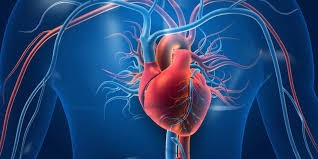
The heart works continuously to supply oxygen and nutrients throughout the body, yet many people only begin paying attention to their heart health after serious problems develop. Medical conditions such as coronary artery disease, hypertension, heart attacks, and stroke remain among the leading causes of death worldwide.
Health experts say the encouraging news is that many heart-related risks can be reduced through consistent lifestyle improvements. From healthier eating habits to regular exercise and stress management, small daily changes can make a major difference over time.
Eat a Balanced, Heart-Friendly Diet
Nutrition plays a major role in maintaining healthy blood pressure, reducing cholesterol levels, and preventing inflammation in the arteries. Experts recommend focusing on meals rich in fruits, vegetables, whole grains, lean proteins, and healthy fats.

Foods commonly linked to better heart health include oats, brown rice, fish, legumes, nuts, seeds, olive oil, and low-fat dairy products. At the same time, reducing processed foods, sugary drinks, fried meals, excess salt, and trans fats may help lower the risk of cardiovascular disease.
Many healthcare professionals continue to recommend the Mediterranean diet, which emphasizes plant-based foods, fish, and healthy fats and has been associated with improved heart function and lower cholesterol levels.
Stay Physically Active
Regular physical activity strengthens the heart muscle, improves blood circulation, and supports healthy weight management. Exercise can also help lower stress levels and reduce high blood pressure.
Experts advise adults to aim for at least 150 minutes of moderate exercise each week. Activities such as brisk walking, cycling, swimming, jogging, dancing, and yoga are considered beneficial for cardiovascular health.
Even simple habits like taking the stairs, walking after meals, or reducing long periods of sitting can positively impact heart function.
Maintain a Healthy Weight
Excess body weight increases the likelihood of developing heart disease, diabetes, and high cholesterol. Medical professionals note that losing even a small percentage of body weight can significantly improve cardiovascular health.
Reducing abdominal fat is particularly important, as excess belly fat is closely linked to heart strain and poor metabolic health.
Avoid Smoking
Smoking damages blood vessels, reduces oxygen supply in the blood, and increases the buildup of plaque in arteries. Quitting smoking can quickly improve circulation, lower blood pressure, and reduce the risk of heart attacks and stroke.
Experts also warn that exposure to secondhand smoke can increase the risk of heart disease, making smoke-free environments equally important.
Monitor Blood Pressure and Cholesterol
High blood pressure is often referred to as a “silent killer” because it may not produce noticeable symptoms while gradually damaging arteries and the heart. Regular monitoring can help detect issues early before serious complications arise.
Similarly, high cholesterol can lead to plaque buildup that restricts blood flow and increases the risk of heart attacks and stroke. Maintaining healthy cholesterol levels through diet, exercise, and medical care is considered essential for long-term heart health.
Manage Stress and Prioritize Sleep
Chronic stress can place additional strain on the heart by increasing blood pressure and encouraging unhealthy coping habits such as overeating or smoking. Relaxation techniques including meditation, deep breathing, yoga, listening to music, and spending time outdoors may help reduce stress levels.
Sleep is also a critical factor in heart health. Adults are generally encouraged to get between seven and nine hours of quality sleep each night, as poor sleep has been linked to obesity, hypertension, and cardiovascular disease.
Stay Hydrated and Limit Alcohol
Drinking enough water helps support proper circulation and stable blood pressure, while dehydration may place extra stress on the heart. Replacing sugary drinks with water is widely recommended for overall cardiovascular wellness.
Health experts also advise limiting alcohol intake, as excessive drinking can contribute to weight gain, high blood pressure, and other heart-related complications.
Know When to Seek Medical Help
Doctors encourage individuals to seek medical attention if they experience symptoms such as chest pain, shortness of breath, irregular heartbeat, severe fatigue, or consistently high blood pressure readings.
Early diagnosis and treatment can help prevent life-threatening complications and improve long-term outcomes.
Final Thoughts
Experts emphasize that improving heart health does not require extreme measures. Small, consistent habits including eating healthier meals, exercising regularly, sleeping well, staying hydrated, and managing stress can significantly lower the risk of cardiovascular disease.
Protecting heart health today, specialists say, is one of the most important steps toward a healthier future.

