


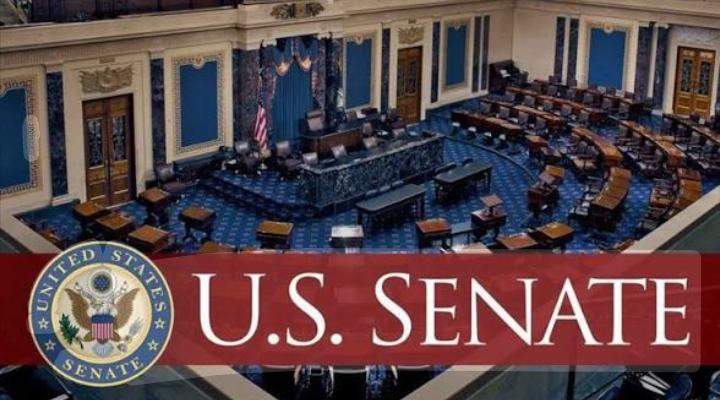
WASHINGTON, UNITED STATES — The United States Senate has blocked a Democratic-led effort to prevent Donald Trump from taking potential military action against Cuba without congressional approval, deepening political divisions over war powers in Washington.
The vote, held on April 28, 2026, ended in a 51–47 decision largely along party lines, effectively halting the proposed resolution through a procedural move led by Republican lawmakers.
The measure, backed by Democratic senators, sought to invoke the War Powers framework to require the president to obtain explicit authorization from Congress before initiating any military action against Cuba.
Republican Senator Rick Scott played a central role in blocking the resolution, arguing that the vote was unnecessary because the United States is not currently engaged in active hostilities with Cuba.

Supporters of the resolution, including Democratic Senator Tim Kaine, countered that ongoing U.S. actions aimed at restricting fuel shipments to Cuba could amount to military pressure that warrants congressional oversight.
Kaine argued during Senate debate that similar actions directed at the United States by another country would likely be interpreted as an act of war, highlighting the seriousness of the issue.
The failed vote marks the latest attempt by Democrats to reassert congressional authority over military decisions, particularly in light of recent U.S. operations abroad.
Under President Trump, U.S. forces have been involved in military activities in countries such as Venezuela and Iran, actions that critics say were carried out without formal congressional approval.
Trump has also publicly suggested that Cuba could be a future target of U.S. action, stating in previous remarks that “Cuba is next,” although he has not provided specific details about any planned operations.
Republicans, who currently hold slim majorities in both chambers of Congress, have consistently opposed Democratic efforts to limit presidential military authority, arguing that such measures could undermine national security and executive flexibility.
They maintain that the president, as commander-in-chief, has the constitutional authority to respond swiftly to emerging threats, particularly in situations that do not involve prolonged or declared wars.
The White House has defended the administration’s approach, stating that the president’s actions fall within his legal responsibilities to protect U.S. interests and respond to global security challenges.
The U.S. Constitution grants Congress the power to declare war, but in practice, presidents have often undertaken limited military operations without formal declarations, leading to ongoing debates over the balance of power.
The outcome of the Senate vote underscores the continued political divide in Washington over foreign policy and the extent of presidential authority in military matters.
As tensions persist, the issue of war powers is expected to remain a central point of contention between lawmakers and the executive branch, particularly as global security dynamics continue to evolve.

