



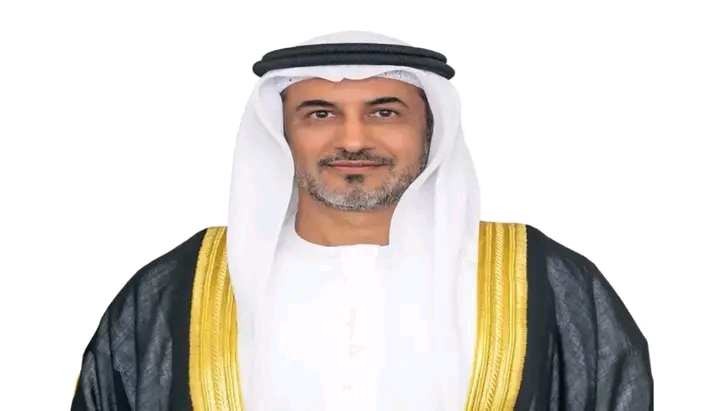
The United Arab Emirates has reaffirmed its strong commitment to deepening long term investment ties with Nigeria, signaling renewed confidence in Africa’s largest economy and its ongoing efforts to attract foreign capital through structural reforms and strategic economic diversification.
The reaffirmation came during high level economic engagements between officials and private sector representatives from both countries, where discussions focused on expanding trade volumes, improving investment frameworks, and strengthening cooperation across key sectors including infrastructure, energy, agriculture, logistics, and digital innovation.
According to the UAE, its engagement with Nigeria is anchored on a long term strategic outlook rather than short term transactional gains. The Gulf nation emphasized that Nigeria remains a priority investment destination in Africa due to its large and youthful population, expanding consumer market, and growing reform agenda aimed at improving the ease of doing business.

Over the years, economic relations between Nigeria and the UAE have evolved significantly, moving beyond traditional trade into broader cooperation in infrastructure development, financial services, aviation, real estate, and emerging technology sectors. The UAE has increasingly positioned itself as a major gateway for Nigerian exports and imports through its world class logistics hubs, ports, and free trade zones.
Recent developments indicate that non oil trade between both countries has continued to expand steadily, driven by increased private sector participation and improved diplomatic engagement. Analysts say this growth reflects rising investor confidence in Nigeria’s market potential as well as the UAE’s long term strategy of strengthening its global trade partnerships with fast growing economies.
The UAE noted that its investment approach in Nigeria is focused on sustainable economic impact, including job creation, technology transfer, industrial development, and infrastructure expansion. Officials stressed that future investments will be aligned with sectors that support Nigeria’s broader economic diversification agenda, particularly away from oil dependency.
Key areas of focus include renewable energy development, transportation infrastructure, industrial manufacturing, digital economy expansion, and agricultural value chain development. These sectors are seen as critical to Nigeria’s long term economic transformation and its ambition to build a more resilient and diversified economy.
In addition, both countries are working to strengthen regulatory and institutional frameworks that support cross border investment flows. This includes efforts to harmonize trade policies, reduce bureaucratic bottlenecks, and create more predictable business environments for investors operating across both jurisdictions.
The UAE highlighted its role as a global investment hub with advanced financial systems, logistics infrastructure, and access to international markets across Asia, Europe, and the Middle East. This positioning, according to officials, allows it to serve as a strategic partner for African economies seeking to integrate more effectively into global trade networks.
Nigeria, on its part, continues to implement reforms aimed at improving macroeconomic stability, attracting foreign direct investment, and boosting private sector confidence. Government officials have repeatedly emphasized the importance of strategic partnerships such as that with the UAE in addressing infrastructure deficits and accelerating industrial growth.
Economic experts say the renewed commitment from the UAE is a positive signal for Nigeria’s investment climate, particularly at a time when global capital flows are becoming more competitive. They note that long term foreign partnerships are essential for supporting infrastructure financing, expanding industrial capacity, and driving sustainable economic growth.
However, analysts also stress that the success of such partnerships will depend on policy consistency, regulatory transparency, and effective implementation of economic reforms. They argue that investors are more likely to commit long term capital when there is stability, clarity, and efficiency in the business environment.
The UAE’s continued interest in Nigeria also reflects a broader global trend in which emerging markets are attracting increased attention from sovereign wealth funds, private equity firms, and institutional investors seeking higher growth opportunities outside traditional economies.
Both countries are expected to further deepen cooperation through new bilateral agreements, investment roadmaps, and private sector led initiatives aimed at unlocking capital flows into priority sectors. These efforts are likely to focus on infrastructure financing, industrial parks, energy transition projects, and digital economy expansion.
Stakeholders believe that the next phase of Nigeria UAE economic relations will be driven by execution and measurable outcomes rather than just policy commitments. This includes translating agreements into active projects that generate employment, improve productivity, and enhance trade competitiveness.
There is also growing interest in leveraging public private partnerships to accelerate infrastructure delivery and industrial development. Such models are seen as essential for bridging Nigeria’s infrastructure gap while ensuring sustainable financing structures that reduce pressure on public finances.
Overall, the UAE’s renewed commitment underscores increasing international confidence in Nigeria’s long term economic prospects. It also highlights the importance of strategic global partnerships in driving economic transformation, attracting investment, and supporting sustainable development across key sectors of the economy.
As both nations continue to strengthen their economic relationship, attention will remain focused on how effectively these commitments are translated into tangible investments that deliver real economic impact for businesses and citizens in both countries.




