


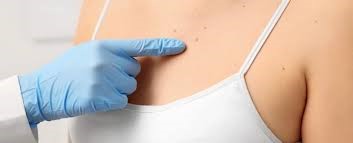
Breast cancer is a condition that can present in different ways, and not all cases begin with a noticeable lump. While many people are diagnosed during routine screening, such as mammograms, others first observe changes in breast appearance, sensation, or nipple structure. Medical experts emphasize that awareness of these early signs, along with timely medical evaluation, plays a key role in early detection and improved treatment outcomes.
Early Signs and Symptoms of Breast Cancer
The most commonly reported early sign of breast cancer is a new lump or mass in the breast or under the arm. However, not all cancer-related lumps share the same characteristics. Some may feel painless, hard, and irregular, while others may be softer or tender.
Other possible warning signs include:
- Persistent breast or nipple pain
- Swelling, redness, or changes in skin color
- Nipple inversion or unusual nipple changes
- Unhealing sores on the breast or nipple
- Changes in breast size or shape
- Discharge from the nipple
- Swollen lymph nodes in the armpit or neck area
- Visible skin changes such as dimpling or thickening
Certain rare forms of breast cancer may not produce a lump at all. Instead, they may appear as skin or nipple abnormalities.

Inflammatory Breast Cancer: A Different Presentation
Inflammatory breast cancer is a rare but aggressive form of the disease that typically does not present as a lump. Instead, it often affects a large portion of the breast and can develop rapidly.
Common symptoms include:
- Redness or discoloration of the breast
- Swelling and increased breast size on one side
- Skin that appears pitted or textured
- Burning, itching, or tenderness
- A feeling of heaviness in the breast
- Inverted nipple
- Swollen lymph nodes near the collarbone or under the arm
This type of cancer may not always be detected through standard imaging in its early stages.
Paget’s Disease of the Breast
Another uncommon type of breast cancer, Paget’s disease, affects the nipple and surrounding skin. It may resemble eczema and often does not involve a lump.
Symptoms can include:
- Flaky, crusted, or irritated nipple skin
- Burning or itching sensation around the nipple
- Flattening or inversion of the nipple
Because it can mimic skin conditions, it is sometimes misdiagnosed initially.
What Breast Lumps May Feel Like
Breast lumps can vary widely depending on their cause. Cancerous lumps are often described as hard, painless, and irregular in shape, and they may feel fixed in place. However, not all lumps indicate cancer.
Other conditions may feel different:
- Cysts: smooth, firm, and sometimes tender
- Fibroadenomas: soft, round, and movable
- Infections or abscesses: painful, swollen, and may be accompanied by fever
- Mastitis: inflammation with redness and discomfort
Self-Awareness and Breast Checks
Health experts no longer strongly recommend routine self-examination as a standalone screening tool. However, individuals are encouraged to become familiar with the normal look and feel of their breasts and report any changes promptly. Regular medical screening remains the most reliable method for early detection.
A basic self-check approach includes observing and feeling for:
- Changes in size, shape, or symmetry
- Skin dimpling or discoloration
- Nipple changes or discharge
- New lumps or thickened areas
These checks can be done visually in front of a mirror and through gentle palpation of the breast and surrounding areas.
Other Causes of Breast Lumps
Most breast lumps are not cancerous. Benign (non-cancerous) conditions include:
- Cysts
- Fibroadenomas
- Infections or abscesses
- Fat necrosis
- Mastitis
- Lipomas
- Hormonal changes causing fibrocystic breast changes
While benign, some of these conditions may still require medical attention or treatment.
Risk Factors and Causes
The exact cause of breast cancer is not fully known, but several factors may increase risk, including:
- Increasing age
- Genetic mutations such as BRCA1 and BRCA2
- Family history of breast or ovarian cancer
- Early menstruation or late menopause
- Hormonal therapy use
- Lack of physical activity
- Obesity
- Alcohol consumption
- Never having been pregnant or late first pregnancy
- Not breastfeeding
Breast Cancer in Men
Breast cancer can also affect men, although it is significantly less common. Because awareness is lower, men are often diagnosed at later stages.
Possible symptoms include:
- Breast lump or swelling
- Nipple discharge
- Skin dimpling or irritation
- Nipple inversion
- Pain or tenderness in the breast area
When to See a Doctor
Medical professionals advise that any unusual breast change should be evaluated promptly. While most lumps are harmless, only a clinical examination and diagnostic tests can confirm the cause. Routine screening is also recommended, particularly for individuals within recommended age groups or those with higher risk factors.
Summary
Breast cancer does not always present as a lump. It may appear through subtle changes in the breast or nipple, including skin changes, pain, or swelling. Some rare types may not form a lump at all. Early detection through awareness, screening, and timely medical consultation remains the most effective approach to improving outcomes and reducing risk.




