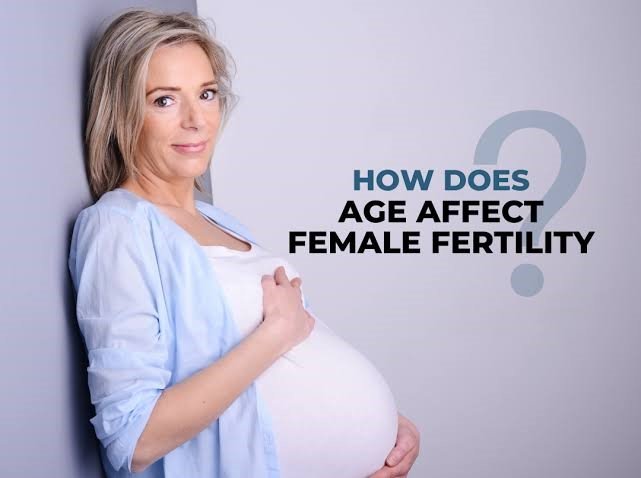
Age plays a significant role in fertility, influencing the ability of both women and men to conceive naturally. While many people are having children later in life due to personal, educational, or career reasons, health experts say understanding how fertility changes with age can help individuals make informed family planning decisions.
Although pregnancy is possible at different ages, fertility generally declines over time, with the changes occurring earlier and more rapidly in women than in men.
Fertility in Women
Women are born with all the eggs they will ever have. As they age, both the number and quality of these eggs gradually decline.
Fertility is usually highest in the 20s and begins to decline slowly in the early 30s. After the age of 35, the decline becomes more noticeable, and by the early 40s, the chances of natural conception decrease significantly.
Older maternal age is also associated with a higher risk of miscarriage, pregnancy complications, and certain chromosomal conditions in babies.
Fertility in Men
Unlike women, men continue to produce sperm throughout their lives. However, sperm quality and quantity may gradually decline with age.
As men get older, sperm may become less mobile and more likely to carry genetic changes. Advanced paternal age has been associated with a longer time to achieve pregnancy and a slightly increased risk of certain health conditions in children, although many men are able to father healthy children later in life.
Other Factors That Affect Fertility
Age is only one factor influencing fertility. Other factors include:
- Smoking and tobacco use
- Excessive alcohol consumption
- Obesity or being underweight
- Poor nutrition
- Sexually transmitted infections
- Hormonal disorders
- Polycystic ovary syndrome (PCOS)
- Endometriosis
- Exposure to certain environmental toxins
- Chronic medical conditions
Addressing these factors may improve the chances of conception regardless of age.
How to Support Fertility
Health experts recommend several healthy habits for individuals planning to have children:
- Maintain a healthy body weight.
- Eat a balanced diet rich in fruits, vegetables, whole grains, and lean protein.
- Exercise regularly.
- Avoid smoking and recreational drugs.
- Limit alcohol intake.
- Get adequate sleep.
- Manage chronic medical conditions with the help of a healthcare provider.
When to Seek Medical Advice
Couples should consider seeking fertility evaluation if:
- The woman is under 35 and pregnancy has not occurred after one year of regular, unprotected intercourse.
- The woman is 35 or older and pregnancy has not occurred after six months.
- Either partner has a known reproductive health condition or a history of infertility.
Early evaluation may identify treatable causes and improve the chances of a successful pregnancy.
The Bottom Line
Age naturally affects fertility in both women and men, but it is only one part of the picture. Healthy lifestyle choices, early planning, and timely medical advice can help improve the chances of conception and support a healthy pregnancy.
Disclaimer: This article is for informational purposes only and should not replace professional medical advice. Anyone concerned about fertility or family planning should consult a qualified healthcare professional for personalised evaluation and guidance.