


Infertility affects millions of couples worldwide and can impact both men and women. Health experts define infertility as the inability to achieve pregnancy after one year of regular, unprotected sexual intercourse for women under 35, or after six months for women aged 35 and older.
Although infertility can be emotionally challenging, many of its causes are treatable, and early medical evaluation can improve the chances of conception.
1. Ovulation Disorders
Problems with ovulation are among the most common causes of infertility in women. Conditions such as polycystic ovary syndrome (PCOS), thyroid disorders, and hormonal imbalances can prevent the release of eggs needed for fertilisation.
2. Blocked Fallopian Tubes
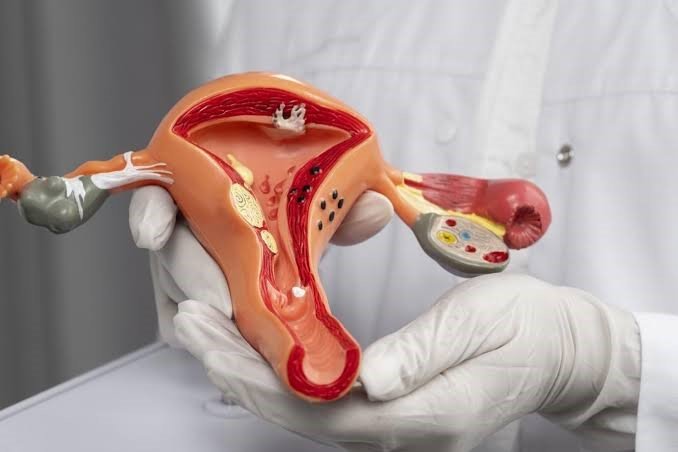
The fallopian tubes carry the egg from the ovary to the uterus. Damage or blockage caused by pelvic infections, endometriosis, or previous surgery can prevent the egg and sperm from meeting.

3. Endometriosis
Endometriosis occurs when tissue similar to the lining of the uterus grows outside the womb. The condition can affect the ovaries, fallopian tubes, and other pelvic organs, making conception more difficult.
4. Low Sperm Count
Male infertility is commonly linked to a low sperm count or poor sperm quality. Factors such as hormonal disorders, infections, certain medications, smoking, and excessive alcohol use may contribute.
5. Poor Sperm Movement
Even when sperm count is normal, sperm may have difficulty reaching and fertilising the egg if they do not swim effectively.
6. Age
Female fertility declines gradually after the age of 30 and more rapidly after 35. Male fertility also decreases with age, although the decline is generally slower.
7. Hormonal Imbalances
Hormones regulate the reproductive system in both men and women. Disorders affecting the thyroid gland, pituitary gland, or reproductive hormones can interfere with fertility.
8. Lifestyle Factors
Smoking, excessive alcohol consumption, obesity, poor nutrition, lack of exercise, chronic stress, and recreational drug use can all reduce fertility in both men and women.
9. Sexually Transmitted Infections (STIs)
Untreated sexually transmitted infections such as chlamydia and gonorrhoea can damage the reproductive organs and increase the risk of infertility if not treated promptly.
10. Unexplained Infertility
In some cases, medical tests reveal no obvious cause despite thorough evaluation. This is known as unexplained infertility and affects a significant number of couples.
When Should You See a Doctor?
Health experts recommend seeking medical advice if:
- A woman under 35 has been trying to conceive for one year without success.
- A woman aged 35 or older has been trying for six months.
- There are irregular menstrual periods or no menstrual periods.
- There is a history of miscarriage, pelvic infection, or reproductive surgery.
- The male partner has known fertility problems or previous testicular injury.
Early diagnosis can identify treatable conditions and improve treatment options.
Can Infertility Be Treated?
Treatment depends on the underlying cause and may include lifestyle changes, medications to stimulate ovulation, surgery to correct reproductive problems, treatment for infections, or assisted reproductive technologies such as intrauterine insemination (IUI) or in vitro fertilisation (IVF).
Many couples successfully achieve pregnancy with appropriate medical care.
The Bottom Line
Infertility is a common medical condition that affects both men and women. Understanding the possible causes and seeking timely medical evaluation can improve the chances of successful treatment and pregnancy. Couples should remember that infertility is a health issue, not a personal failure, and professional support is available.
Disclaimer: This article is for informational purposes only and should not replace professional medical advice. Anyone experiencing difficulty conceiving should consult a qualified fertility specialist or healthcare professional for proper evaluation and treatment.




