


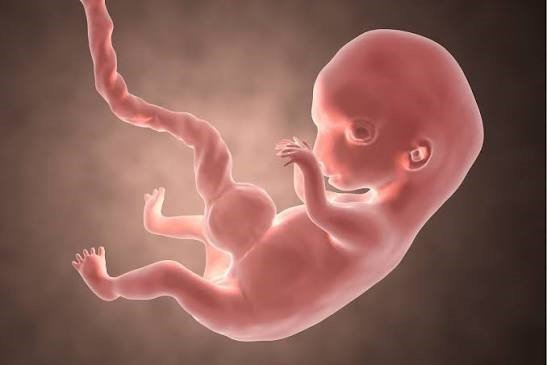
A newborn’s umbilical cord stump usually dries up and falls off naturally within one to three weeks after birth. During this period, proper cord care is important to prevent infection and promote healthy healing.
Health experts recommend keeping the umbilical cord stump clean and dry while allowing it to fall off on its own. Pulling or removing the stump before it is ready can increase the risk of bleeding and infection.
What Is the Umbilical Cord Stump?
After a baby is born, the umbilical cord is clamped and cut, leaving behind a small stump attached to the baby’s belly button. Since the baby no longer needs the cord after birth, it gradually dries, shrivels, and eventually falls off.
It is normal for the stump to change colour from yellowish-green to brown or black as it dries.

Keep the Stump Clean and Dry
The best way to care for the umbilical cord stump is to keep it dry. Moisture can slow healing and increase the risk of infection.
If the stump becomes dirty, gently clean the area with clean water and allow it to air dry completely.
Fold the Diaper Below the Stump
To prevent irritation, fold the front of the baby’s diaper below the umbilical cord stump or use newborn diapers with a cut-out section. This keeps urine away from the stump and allows air to circulate around it.
Avoid Covering the Stump
Loose-fitting clothing allows air to reach the stump and helps it dry more quickly. Avoid tight clothing that rubs against the area.
Do Not Pull the Stump Off
Even if the stump appears to be hanging by a small piece of tissue, do not try to remove it. It will fall off naturally when healing is complete.
Removing it too early may cause bleeding and delay healing.
Bathe Your Baby Carefully
Until the stump falls off and the area heals completely, many healthcare providers recommend sponge baths instead of soaking the baby in a bathtub. This helps keep the stump dry.
Parents should follow the bathing advice provided by their healthcare provider, as recommendations may vary.
Watch for Signs of Infection
Although infections are uncommon, parents should seek medical attention if they notice:
- Redness spreading around the base of the stump.
- Swelling.
- Pus or yellow discharge.
- A foul smell coming from the stump.
- Persistent bleeding.
- Fever or the baby appearing unusually sleepy or feeding poorly.
These symptoms may indicate an infection that requires prompt treatment.
Is a Little Bleeding Normal?
A small amount of blood may appear when the stump separates. This is usually normal and often stops quickly.
However, continuous bleeding or bleeding that does not stop should be assessed by a healthcare professional.
When Will the Belly Button Heal?
After the stump falls off, the area may take a few more days to heal completely. Once healed, the baby will have a normal belly button.
Parents should continue keeping the area clean until healing is complete.
The Bottom Line
Caring for a newborn’s umbilical cord is simple but important. Keeping the stump clean, dry, and exposed to air while allowing it to fall off naturally can help prevent infection and promote healthy healing. Parents should monitor the area closely and seek medical advice if signs of infection or persistent bleeding develop.
Disclaimer: This article is for informational purposes only and should not replace professional medical advice. Parents or caregivers who have concerns about a newborn’s umbilical cord or notice signs of infection should consult a qualified healthcare professional promptly.




