


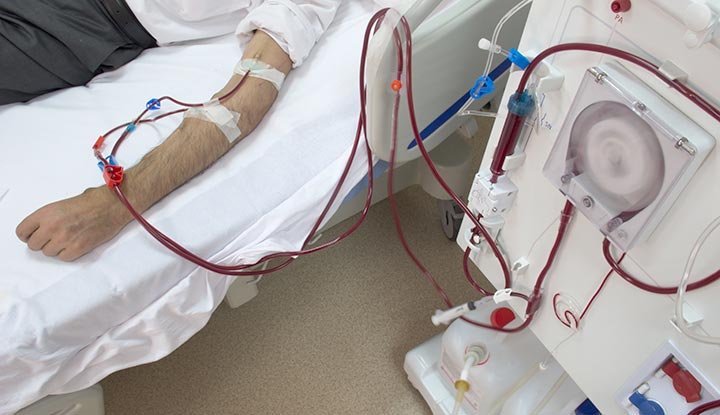
Dialysis is a life-saving treatment that performs many of the functions of healthy kidneys when they can no longer work effectively. It removes waste products, excess fluid, and harmful toxins from the blood, helping people with advanced kidney disease live longer and maintain a better quality of life.
Health experts say understanding how dialysis works can help patients and their families make informed decisions about treatment and prepare for life with kidney failure.
What Is Dialysis?
Dialysis is a medical treatment used when the kidneys lose most of their ability to filter the blood.
Healthy kidneys remove waste products, balance fluids and electrolytes, regulate blood pressure, and help produce hormones that support red blood cell production and bone health.

When kidney function falls to a very low level, these essential tasks can no longer be performed adequately. Dialysis takes over some of these functions, although it cannot completely replace healthy kidneys.
Who Needs Dialysis?
Dialysis is usually recommended for people with end-stage kidney disease (ESKD) or severe kidney failure.
It may also be used temporarily in people with acute kidney injury (AKI) until their kidneys recover.
A healthcare provider may recommend dialysis if kidney failure causes:
- Severe fluid overload.
- Dangerous electrolyte imbalances, especially high potassium.
- A build-up of waste products in the blood.
- Persistent nausea or vomiting due to kidney failure.
- Difficulty breathing caused by excess fluid.
- Symptoms that cannot be controlled with medication alone.
The decision is based on both kidney function tests and the person’s symptoms.
Types of Dialysis
There are two main forms of dialysis.
Haemodialysis
Haemodialysis uses a machine and a special filter called a dialyser to clean the blood.
Blood is removed from the body through a vascular access, filtered by the machine, and then returned to the body.
Treatment is commonly performed three times a week, with each session lasting several hours.
It may be carried out in a dialysis centre or, in selected patients, at home.
Peritoneal Dialysis
Peritoneal dialysis uses the lining of the abdomen (the peritoneum) as a natural filter.
A cleansing fluid is placed into the abdominal cavity through a catheter, where it absorbs waste products and excess fluid before being drained away.
This treatment is usually performed at home and offers greater flexibility for many patients.
Preparing for Dialysis
Before starting dialysis, patients may need:
- Blood tests.
- Kidney function assessment.
- Placement of a vascular access for haemodialysis or a catheter for peritoneal dialysis.
- Education about treatment options.
- Dietary and lifestyle counselling.
Preparation before dialysis begins often improves long-term outcomes.
Possible Side Effects
Although dialysis is generally safe, some people may experience:
- Fatigue after treatment.
- Low blood pressure.
- Muscle cramps.
- Itching.
- Difficulty sleeping.
- Infection at the access site.
- Fluid or electrolyte imbalances.
Most side effects can be managed with appropriate medical care.
Living Well on Dialysis
Many people continue to work, travel, and enjoy family life while receiving dialysis.
Healthcare providers often recommend:
- Following a kidney-friendly diet.
- Limiting salt when advised.
- Managing fluid intake according to medical advice.
- Taking prescribed medications consistently.
- Staying physically active as tolerated.
- Attending every dialysis session.
Emotional support from family, friends, and healthcare professionals can also improve quality of life.
Is Dialysis a Cure?
No.
Dialysis helps replace some of the kidneys’ functions but does not cure kidney failure.
For many eligible patients, a kidney transplant offers the best long-term treatment because it can restore much of the kidneys’ normal function.
Some people, however, remain on dialysis for many years.
When Should You Seek Medical Attention?
People receiving dialysis should contact their healthcare provider immediately if they experience:
- Fever or signs of infection.
- Severe shortness of breath.
- Chest pain.
- Persistent vomiting.
- Bleeding from the dialysis access site.
- Sudden swelling or rapid weight gain.
- Missed dialysis sessions followed by worsening symptoms.
Prompt medical care can help prevent serious complications.
The Bottom Line
Dialysis is a vital treatment for people whose kidneys can no longer remove waste products and excess fluid from the body. Although it cannot fully replace healthy kidneys, it allows many individuals with kidney failure to live active and meaningful lives. Understanding the different types of dialysis, following medical advice, and maintaining healthy lifestyle habits are essential for achieving the best possible outcomes while awaiting recovery or a kidney transplant.
Disclaimer: This article is for informational purposes only and should not replace professional medical advice. Anyone living with advanced kidney disease should discuss dialysis options and treatment decisions with a qualified nephrologist or healthcare professional.




