


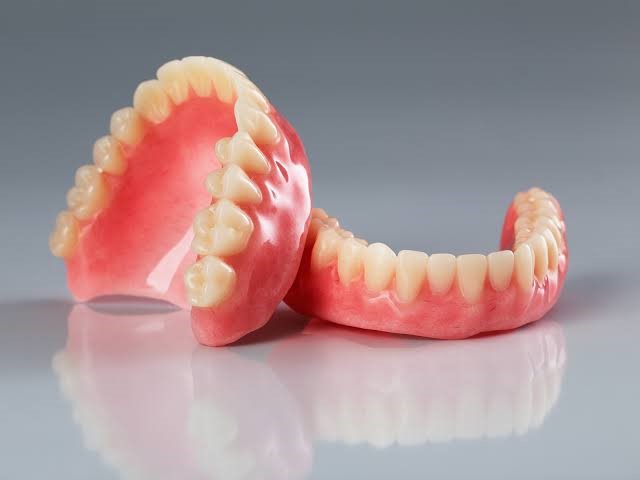
Dentures are removable dental appliances designed to replace missing teeth and restore the ability to eat, speak, and smile confidently. Although modern dentures are durable and effective, they require proper daily care to prevent infections, bad breath, and damage to the gums. Dental experts stress that good denture hygiene is just as important as caring for natural teeth.
With the right maintenance and regular dental check-ups, dentures can remain comfortable, functional, and long-lasting.
What Are Dentures?
Dentures are custom-made appliances used to replace missing teeth.
There are two main types:

- Complete dentures, which replace all the teeth in the upper or lower jaw.
- Partial dentures, which replace only a few missing teeth and are attached to the remaining natural teeth.
Dentures improve chewing, speech, facial appearance, and overall quality of life.
Who Needs Dentures?
A dentist may recommend dentures for people who have lost teeth due to:
- Severe tooth decay.
- Advanced gum disease.
- Dental injuries.
- Age-related tooth loss.
- Certain medical conditions affecting oral health.
Replacing missing teeth helps maintain proper jaw function and facial structure.
Common Challenges for New Denture Wearers
It is normal to experience some adjustment during the first few weeks.
Common issues include:
- Mild soreness.
- Increased saliva production.
- Difficulty chewing certain foods.
- Temporary changes in speech.
- Slight movement of the dentures.
Most people adapt as the mouth becomes accustomed to wearing dentures.
How to Care for Dentures
Proper denture care includes:
- Removing and cleaning dentures daily.
- Using a soft denture brush and denture cleaner.
- Rinsing dentures after meals.
- Soaking dentures overnight if recommended by the manufacturer or dentist.
- Handling dentures carefully to avoid dropping and breaking them.
Regular cleaning removes food particles and harmful bacteria.
Caring for Your Mouth
Even if you wear complete dentures, your mouth still requires daily care.
Be sure to:
- Clean your gums, tongue, and the roof of your mouth with a soft toothbrush or damp cloth.
- Rinse your mouth before wearing dentures.
- Attend regular dental examinations.
Healthy gums provide better support for dentures.
Common Denture Problems
Improperly fitted or poorly maintained dentures may cause:
- Mouth sores.
- Gum irritation.
- Bad breath.
- Difficulty chewing.
- Loose dentures.
- Oral fungal infections, such as denture stomatitis.
Many of these problems can be corrected with professional care.
When Should Dentures Be Replaced?
Dentures may need adjustment or replacement if:
- They become loose.
- They crack or break.
- They cause persistent discomfort.
- They no longer fit properly due to changes in the jawbone.
Most dentures last several years with proper care, but regular evaluation is essential.
When Should You See a Dentist?
Arrange a dental visit if you experience:
- Persistent mouth pain or sores.
- Loose or uncomfortable dentures.
- Difficulty eating or speaking.
- Cracks or damage to your dentures.
- Signs of oral infection, such as redness or white patches.
Prompt care helps prevent complications and ensures a comfortable fit.
The Bottom Line
Dentures can restore confidence, improve speech, and make eating easier, but they require proper daily care to remain effective. Cleaning dentures regularly, maintaining good oral hygiene, and attending routine dental check-ups help protect the health of the mouth and extend the life of the dentures.
Disclaimer: This article is for informational purposes only and should not replace professional dental advice. Anyone experiencing problems with dentures or oral discomfort should consult a qualified dentist for proper evaluation and treatment.




