


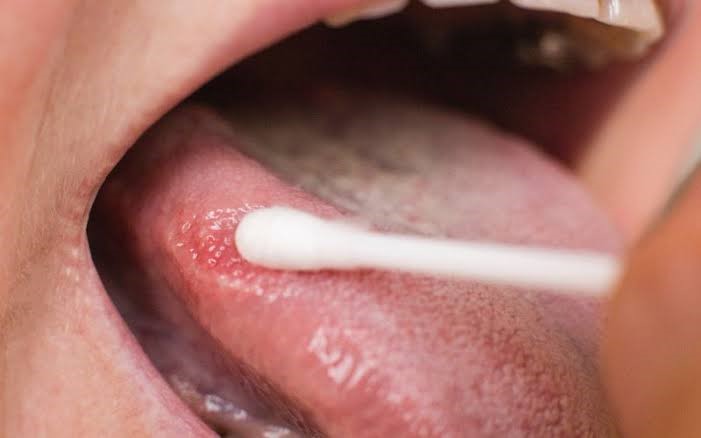
Oral cancer is a serious disease that affects the lips, tongue, cheeks, gums, roof and floor of the mouth, and throat. When detected early, it is often more treatable, but many cases are diagnosed at an advanced stage because the early symptoms are painless and easily overlooked. Dental experts encourage regular oral examinations, as dentists can often identify suspicious changes before they become life-threatening.
Early detection remains one of the most effective ways to improve treatment outcomes and survival rates.
What Is Oral Cancer?
Oral cancer occurs when abnormal cells grow uncontrollably in the tissues of the mouth or throat.
It can develop in the:

- Lips.
- Tongue.
- Gums.
- Inside of the cheeks.
- Roof of the mouth.
- Floor of the mouth.
- Back of the throat.
If left untreated, the cancer can spread to nearby tissues and other parts of the body.
Risk Factors
Several factors increase the risk of oral cancer, including:
- Smoking cigarettes or using other tobacco products.
- Heavy alcohol consumption.
- Infection with certain types of the human papillomavirus (HPV).
- Excessive exposure of the lips to sunlight.
- Poor oral hygiene.
- A weakened immune system.
- Increasing age.
Having one or more risk factors does not mean a person will develop oral cancer, but regular screening is important.
Early Signs and Symptoms
Warning signs may include:
- A mouth sore that does not heal within two weeks.
- White or red patches inside the mouth.
- A lump or thickened area in the mouth or neck.
- Persistent mouth pain.
- Difficulty chewing or swallowing.
- Persistent sore throat.
- Loose teeth without an obvious cause.
- Numbness of the tongue or lips.
- Changes in speech or voice.
These symptoms do not always indicate cancer but should be evaluated promptly.
How Is Oral Cancer Diagnosed?
A healthcare provider may diagnose oral cancer through:
- A thorough oral examination.
- Examination of the neck for swollen lymph nodes.
- A biopsy of suspicious tissue.
- Imaging tests such as CT scans, MRI scans, or PET scans if cancer is suspected.
Early diagnosis improves the chances of successful treatment.
Treatment Options
Treatment depends on the stage and location of the cancer.
It may include:
- Surgery to remove the tumour.
- Radiation therapy.
- Chemotherapy.
- Targeted drug therapy.
- Immunotherapy in selected cases.
A multidisciplinary team usually develops the treatment plan.
Can Oral Cancer Be Prevented?
Although not all cases are preventable, you can reduce your risk by:
- Avoiding tobacco products.
- Limiting alcohol consumption.
- Practising good oral hygiene.
- Protecting your lips from excessive sunlight.
- Receiving the HPV vaccine when appropriate.
- Attending regular dental check-ups.
Healthy lifestyle choices significantly reduce the risk.
When Should You See a Dentist or Doctor?
Seek medical attention immediately if you have:
- A mouth ulcer lasting longer than two weeks.
- Persistent white or red patches.
- Difficulty swallowing.
- A lump in the mouth or neck.
- Ongoing mouth pain without an obvious cause.
Prompt evaluation can lead to earlier diagnosis and treatment.
The Bottom Line
Oral cancer is a potentially life-threatening disease, but early detection can make a significant difference. Paying attention to persistent mouth sores, unusual patches, lumps, or swallowing difficulties and attending regular dental check-ups can help identify problems before they become advanced. If you notice any warning signs, do not delay seeking professional medical or dental care.
Disclaimer: This article is for informational purposes only and should not replace professional medical or dental advice. Anyone experiencing persistent symptoms suggestive of oral cancer should seek immediate evaluation from a qualified healthcare provider or dentist.




