


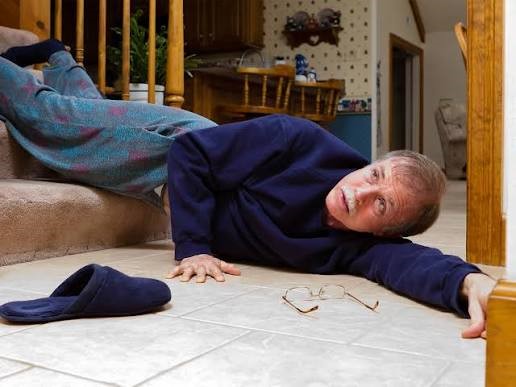
Health experts are raising fresh concerns over the growing number of injuries resulting from falls at home, warning that many of these incidents are preventable through simple safety measures and greater public awareness. Medical professionals say household falls continue to account for a significant proportion of emergency room visits each year, affecting people of all ages but posing the greatest risk to older adults and young children.
According to healthcare professionals, falls can occur in virtually any part of the home, including bathrooms, kitchens, staircases, bedrooms, and outdoor walkways. Wet floors, loose rugs, poor lighting, uneven surfaces, cluttered walkways, and unstable furniture are among the most common hazards that contribute to these accidents. While some falls result in only minor bruises or cuts, experts warn that others can lead to severe injuries such as fractures, spinal injuries, traumatic brain injuries, and internal bleeding.
Doctors explain that older adults are particularly vulnerable because aging often affects balance, muscle strength, vision, and bone density. A simple fall can result in a hip fracture or head injury that may significantly reduce mobility and independence. Young children are also at high risk because of their natural curiosity and developing coordination, making them more likely to trip, climb unsafe furniture, or fall from stairs and elevated surfaces.
Medical professionals stress that immediate medical evaluation should be sought whenever a fall is followed by persistent pain, swelling, inability to move a limb, dizziness, loss of consciousness, confusion, severe headache, or bleeding that does not stop. They caution that some serious injuries, including internal bleeding and head trauma, may not show obvious symptoms immediately after the incident but can become life-threatening if left untreated.

Health experts emphasize that preventing falls begins with creating a safer home environment. They recommend keeping floors dry and free from clutter, securing loose carpets with non-slip backing, installing handrails along staircases, using grab bars in bathrooms, ensuring adequate lighting throughout the home, and repairing damaged flooring as soon as possible. They also advise families to keep commonly used household items within easy reach to reduce the need for climbing on chairs or unstable furniture.
For older adults, specialists recommend regular vision and hearing examinations, routine physical activity to improve strength and balance, and reviewing medications with healthcare providers, as some medicines may cause dizziness or affect coordination. Wearing supportive footwear with non-slip soles is also encouraged, both indoors and outdoors.
Parents and caregivers are advised to closely supervise young children, install safety gates at the top and bottom of staircases, secure windows and balconies, and anchor heavy furniture to walls to reduce the risk of falls during play. Experts note that educating children about basic household safety from an early age can also help reduce accidents.
Medical professionals conclude that although falls remain one of the leading causes of preventable injuries worldwide, many incidents can be avoided through simple precautions, increased awareness, and prompt medical attention when accidents occur. They are encouraging families to routinely assess their homes for potential hazards and make safety improvements that can protect every member of the household.




