


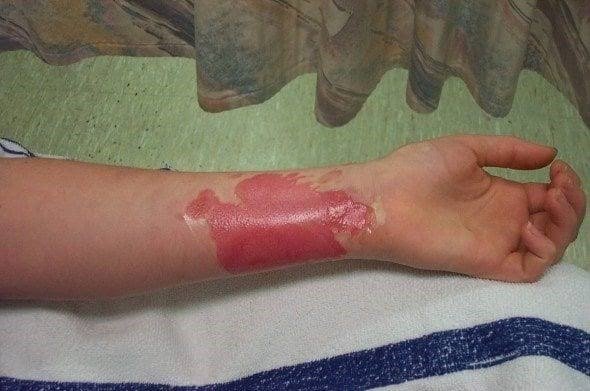
Medical professionals are urging the public to administer immediate and appropriate first aid for minor burns, warning that delayed or improper treatment can increase the risk of infection, prolong healing, and in some cases lead to permanent skin damage. According to healthcare experts, burns are among the most common household injuries, with many occurring in kitchens, bathrooms, workplaces, and during everyday activities involving hot liquids, open flames, steam, electricity, or heated appliances.
Doctors explain that while many burns are considered minor and can be treated safely with proper first aid, they should never be ignored. Even a small burn can become more serious if bacteria enter the damaged skin or if incorrect home remedies are applied. They emphasize that knowing the right steps to take immediately after a burn can significantly reduce pain, limit tissue damage, and improve recovery.
According to burn care specialists, the first and most important step is to remove the person from the source of the burn and cool the affected area under cool running water for at least 20 minutes. Cooling the burn helps stop the burning process from continuing beneath the skin and reduces swelling and pain. Experts caution that ice or ice-cold water should not be applied directly to burns, as extreme cold can further damage already injured skin and delay healing.
Medical professionals also advise removing rings, watches, bracelets, or tight clothing near the burned area before swelling begins, provided these items are not stuck to the skin. Once the burn has been cooled, it should be gently covered with a clean, sterile, non-stick dressing or plastic wrap to protect it from infection while avoiding unnecessary pressure on the injured tissue.

Doctors strongly warn against using common home remedies such as toothpaste, butter, cooking oil, raw eggs, flour, or herbal mixtures on burns. Although these remedies are widely believed to provide relief, medical experts say they can trap heat inside the skin, increase the risk of infection, and make it more difficult for healthcare professionals to properly assess the injury if medical treatment becomes necessary.
Health experts explain that minor burns usually affect only the outer layer of the skin, causing redness, mild swelling, and pain. However, burns that produce large blisters, charred or white skin, numbness, or involve the face, hands, feet, joints, or genital area require immediate medical attention regardless of their size. They also advise seeking urgent care if the burn was caused by electricity, chemicals, or an explosion, as these injuries may extend deeper than they appear on the surface.
Children, older adults, and people with diabetes or weakened immune systems should be evaluated by a healthcare professional even for burns that may appear minor. Doctors note that these individuals have a higher risk of complications and may require closer medical observation during recovery.
Medical professionals further recommend preventing burn injuries by keeping hot drinks away from the edges of tables, turning pot handles inward while cooking, testing bath water before use, keeping children away from cooking areas, and using protective gloves when handling hot equipment or chemicals.
Doctors conclude that immediate and appropriate first aid remains one of the most effective ways to reduce the severity of minor burns. They encourage the public to learn basic burn management techniques and to seek professional medical care whenever there is uncertainty about the seriousness of a burn, stressing that early intervention can prevent complications, promote faster healing, and protect long-term skin health.




