


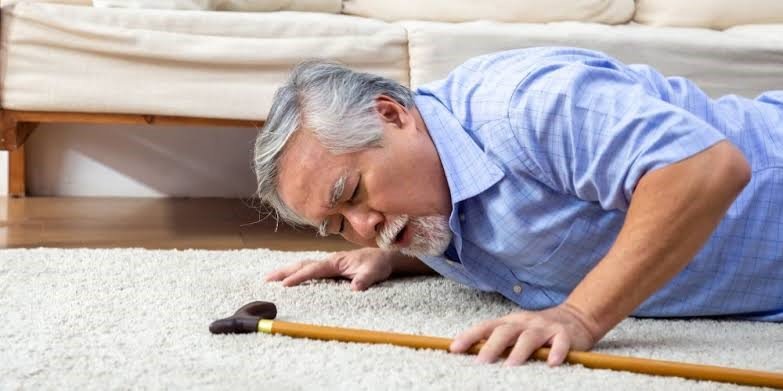
Medical professionals are urging families and caregivers to take repeated falls in older adults seriously, warning that frequent falls are often a sign of underlying health problems rather than a normal part of aging. According to healthcare experts, falls are one of the leading causes of injury, disability, and death among older adults worldwide. While a single fall may be caused by an isolated accident, repeated falls may indicate medical conditions that require prompt diagnosis and treatment.
Doctors explain that as people age, natural changes in muscle strength, balance, vision, and reaction time can increase the risk of falling. However, they emphasize that repeated falls should never be dismissed as “just getting old.” Instead, they may signal health issues such as low blood pressure, heart disease, stroke, Parkinson’s disease, arthritis, osteoporosis, nerve disorders, poor vision, hearing problems, or side effects from certain medications.
According to geriatric specialists, many older adults experience a gradual decline in muscle mass and bone strength, making even minor falls capable of causing serious injuries. Hip fractures, wrist fractures, spinal injuries, head trauma, and internal bleeding are among the most common consequences of falls in elderly individuals. Recovery from these injuries is often slower than in younger people and may require prolonged hospitalization, rehabilitation, or long-term care.
Medical professionals note that medications can also contribute to repeated falls. Blood pressure medications, sleeping tablets, antidepressants, anti-anxiety medications, and some pain relievers may cause dizziness, drowsiness, blurred vision, or reduced coordination. Doctors encourage older adults to review their medications regularly with their healthcare provider to identify any drugs that may increase the risk of falling.

Health experts explain that warning signs associated with repeated falls should never be ignored. Symptoms such as dizziness, fainting, loss of balance, weakness, numbness, confusion, blurred vision, chest pain, irregular heartbeat, or sudden difficulty walking may indicate serious medical conditions that require immediate evaluation. In some cases, repeated falls may be the first noticeable symptom of neurological disorders or cardiovascular disease.
Doctors advise that any older adult who experiences repeated falls should undergo a comprehensive medical assessment. This may include a physical examination, vision and hearing tests, blood pressure measurements, blood tests, medication review, balance assessment, and imaging studies where necessary. Identifying and treating the underlying cause can significantly reduce the likelihood of future falls.
Medical professionals also stress the importance of making the home environment safer for older adults. Loose rugs, electrical cords, cluttered walkways, poor lighting, and slippery bathroom floors are common household hazards that increase the risk of falls. Installing grab bars in bathrooms, handrails on staircases, non-slip mats, and adequate lighting can greatly improve safety within the home.
Doctors encourage older adults to remain physically active through exercises that improve strength, flexibility, and balance. Activities such as walking, gentle resistance training, and balance exercises can help maintain muscle function and reduce the likelihood of falls. However, exercise programs should be tailored to the individual’s health condition and performed under professional guidance when necessary.
Health specialists also recommend regular eye examinations and hearing tests, as untreated vision or hearing problems can affect balance and increase the risk of accidents. Properly fitted footwear with non-slip soles should be worn both indoors and outdoors, while walking barefoot or wearing loose-fitting slippers should be avoided.
Medical professionals emphasize that if an older adult falls and experiences severe pain, cannot stand, loses consciousness, hits their head, or develops confusion after the fall, emergency medical services should be contacted immediately. Even if no obvious injury is present, medical evaluation is recommended after repeated falls to identify hidden injuries or underlying health problems.
Doctors conclude that repeated falls are not an inevitable part of aging and should never be ignored. They stress that early medical assessment, appropriate treatment of underlying conditions, regular physical activity, medication review, and home safety improvements can significantly reduce the risk of future falls. By taking preventive action and responding promptly when falls occur, families can help older adults maintain their independence, improve their quality of life, and prevent potentially life-threatening injuries.




