


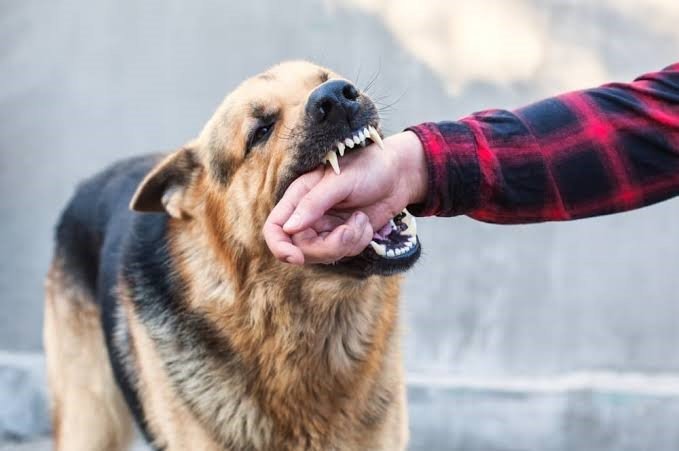
Medical professionals are urging the public to seek immediate medical care after dog bites, warning that even injuries that appear minor can lead to serious infections, permanent tissue damage, and life-threatening diseases if left untreated. According to healthcare experts, dog bites are among the most common animal-related injuries treated in emergency departments, affecting people of all ages. Children are particularly vulnerable because they are more likely to suffer bites to the face, head, and neck, which can result in severe injuries and long-term physical and emotional trauma.
Doctors explain that a dog’s teeth can puncture the skin deeply, introducing bacteria into muscles, tendons, joints, and blood vessels. While some bites cause only small puncture wounds, others can result in severe lacerations, crushed tissue, broken bones, and nerve damage. Medical professionals emphasize that the seriousness of a dog bite should not be judged solely by the size of the wound, as hidden damage beneath the skin may be extensive.
According to emergency medicine specialists, one of the greatest concerns following a dog bite is the risk of infection. A dog’s mouth naturally contains many bacteria that can enter the body through broken skin. Without prompt treatment, these bacteria may cause painful skin infections, abscesses, or more serious infections that spread into the bloodstream. Signs of infection include increasing redness, swelling, warmth, pus, worsening pain, fever, and swollen lymph nodes. Doctors advise seeking medical attention immediately if any of these symptoms develop.
Medical professionals also warn about the risk of rabies, a viral disease that attacks the brain and nervous system. Rabies is almost always fatal once symptoms begin to appear, but it can be prevented through prompt post-exposure treatment. Doctors recommend that anyone bitten by a dog with an unknown vaccination history, a stray dog, or a dog behaving unusually should seek emergency medical evaluation as soon as possible. Healthcare providers will assess the risk of rabies exposure and determine whether preventive vaccination and other treatments are necessary.

Health experts advise that immediate first aid should begin by washing the wound thoroughly with soap and clean running water for at least 15 minutes. This simple step helps remove bacteria and viruses that may have entered the wound and significantly reduces the risk of infection. After cleaning, the wound should be covered with a clean, sterile dressing. However, deep wounds or those with heavy bleeding should receive urgent medical attention rather than being treated at home.
Doctors caution against applying toothpaste, herbs, oils, ash, or other traditional home remedies to dog bite wounds, as these substances may contaminate the injury and delay proper healing. They also advise against tightly bandaging puncture wounds unless instructed by a healthcare professional, as proper drainage may be necessary to reduce the risk of infection.
Medical professionals emphasize the importance of tetanus protection following dog bites. Depending on the individual’s vaccination history and the nature of the injury, a tetanus booster may be required. Healthcare providers will also determine whether antibiotics are necessary, particularly for deep bites, bites involving the hands, face, or joints, or injuries in individuals with weakened immune systems.
Doctors encourage parents to teach children how to behave safely around dogs. Children should never approach unfamiliar dogs without the owner’s permission, disturb dogs while they are eating or sleeping, pull their tails or ears, or attempt to separate fighting animals. Adults should always supervise interactions between young children and dogs, even when the pet is familiar to the family.
Health specialists also advise dog owners to ensure that their pets receive regular veterinary care, including routine vaccinations and health checks. Proper training, socialization, and responsible pet ownership can significantly reduce aggressive behavior and the likelihood of bite incidents. Dogs showing signs of illness or unusual aggression should be evaluated by a veterinarian without delay.
Medical professionals conclude that no dog bite should be ignored, regardless of how small the injury appears. Prompt wound cleaning, early medical evaluation, and appropriate preventive treatment can greatly reduce the risk of infection and prevent life-threatening complications such as rabies. By practicing responsible pet ownership, educating children about dog safety, and seeking timely medical care after bites, communities can reduce the number of serious dog bite injuries and protect public health.




