


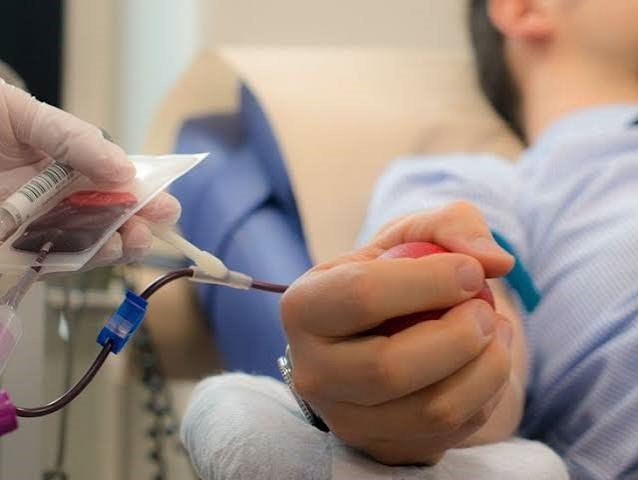
A Nigerian haematologist has called on hospitals to adopt stronger strategies to convert patients’ relatives and other replacement blood donors into regular voluntary donors as the country continues to struggle with blood shortages.
Professor of Haematology and Blood Transfusion at the Lagos State University College of Medicine, Akinbami Abduljaleel, said hospitals should use the opportunity presented by replacement donors to build a reliable pool of regular blood donors.
His recommendation comes amid continued concerns about the availability of safe blood for emergency care, surgeries and other medical treatments.
Hospitals Can Build Regular Donor Networks
Replacement blood donation commonly occurs when relatives, friends or associates of a patient are asked to donate blood to support treatment.

According to Abduljaleel, hospitals should not end their relationship with donors immediately after the patient’s blood needs have been met.
Instead, healthcare facilities can collect donors’ contact details, provide proper education and encourage eligible individuals to return for future voluntary donations.
This approach could help create a stronger and more dependable donor network.
Nigeria Continues to Face Blood Shortages
The shortage of safe blood remains a major challenge in Nigeria’s healthcare system.
Hospitals require blood for accident victims, women experiencing severe bleeding during childbirth, patients undergoing surgery and people living with medical conditions that require transfusion.
Sickle cell patients may also require blood transfusions as part of their medical care.
When adequate blood is unavailable, treatment can be delayed and patients may face serious health risks.
Experts Push for Voluntary Blood Donation
Health professionals have repeatedly encouraged Nigerians to embrace voluntary blood donation.
Regular voluntary donors can help blood banks maintain supplies and respond more quickly to emergencies.
However, many people only donate when a relative or friend urgently needs blood.
Abduljaleel believes hospitals can use these emergency donation experiences to educate people about the wider importance of regular blood donation.
Hospitals Urged to Educate Replacement Donors
The haematologist stressed the importance of communication between healthcare workers and donors.
Hospitals can explain how donated blood helps save lives and provide eligible donors with information about when they can safely donate again.
With proper consent, blood banks could also maintain donor contact records and send reminders about future donation opportunities.
Such follow-up could encourage more Nigerians to become committed voluntary donors.
Fear and Misconceptions Affect Blood Donation
Fear and misinformation remain barriers to blood donation in many communities.
Some people worry that donating blood could permanently weaken them or expose them to health problems.
Medical experts say eligible donors are screened before donation to protect both the donor and the recipient.
Greater public education could help address misconceptions and encourage more people to participate in safe blood donation programmes.
Safe Blood Remains Critical to Emergency Care
Access to safe blood can make a major difference during medical emergencies.
Patients experiencing severe blood loss may require urgent transfusion, meaning hospitals need blood supplies before emergencies occur.
Depending only on relatives to search for donors after a patient becomes critically ill can cause dangerous delays.
A stable network of voluntary donors could help healthcare facilities respond faster when blood is urgently needed.
Expert Calls for Stronger Blood Donation Culture
Abduljaleel’s recommendation highlights the need for hospitals and blood banks to develop long-term relationships with eligible donors.
Rather than viewing replacement donors as one-time participants, healthcare facilities could encourage them to become regular contributors to the blood supply system.
Strengthening Nigeria’s voluntary blood donation culture could improve emergency healthcare and help ensure safe blood is available when patients need it most.
As hospitals continue to face blood supply challenges, experts believe better donor education, follow-up and public awareness will be important in closing the gap.




